 By
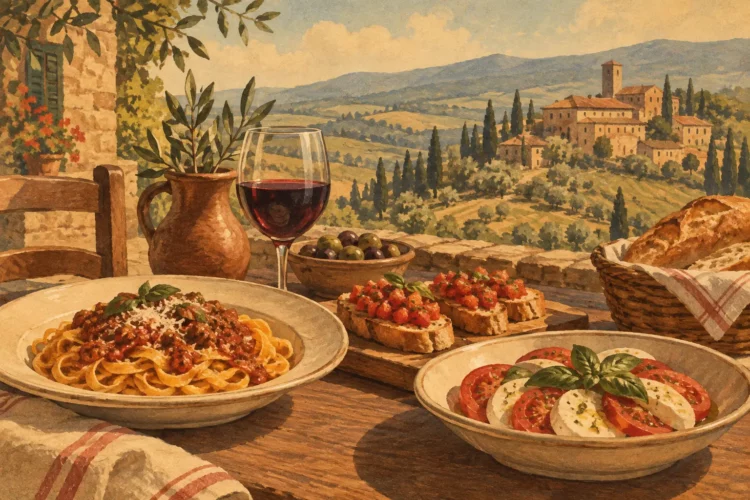
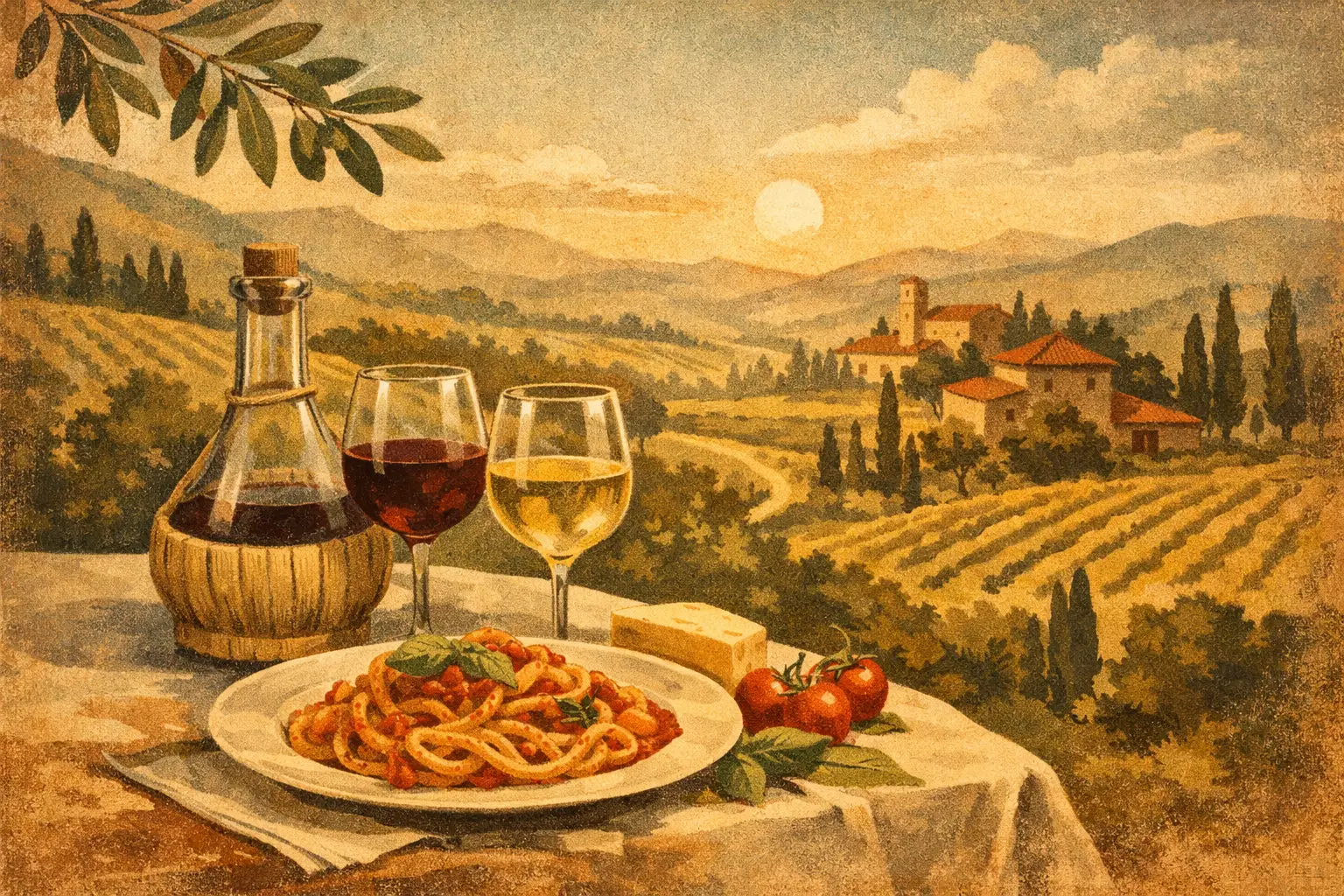
By A bowl of hand-finished pasta, a bottle opened at the table and the late Tuscan light settling over the hills: this is where how to pair local wine with pasta becomes less about rules and more about pleasure. The best match does not need to be complicated. It simply needs to respect what is on the plate – the richness of a ragù, the brightness of tomato, the perfume of herbs or the quiet richness of butter and cheese.
Local wine has a particular advantage when travelling through Tuscany. It has grown beside the ingredients, under the same sun and in the same landscape that shaped the region’s cooking. A red with savoury Sangiovese character, a mineral white from the coast or a softly rounded local rosé can make a familiar pasta dish feel entirely rooted in its place.
Start with the sauce, not the pasta
Pasta shape matters for texture, but the sauce leads the wine pairing. Before choosing a bottle, ask one simple question: is the dish bright and fresh, rich and slow-cooked, creamy and delicate, or intensely savoury?
Tomato brings acidity. Long-cooked meat sauces bring depth and fat. Pecorino, butter and cream bring softness, salt and richness. Olive oil, garlic, lemon and herbs call for freshness and fragrance. When the wine answers the strongest element in the sauce, both food and glass feel more balanced.
There is no need to seek a perfect technical match. At a long lunch, a wine that feels generous, refreshing and appropriate to the table often matters more than chasing a narrow set of tasting notes. Taste, appetite and the warmth of the day all have their say.
How to pair local wine with pasta and tomato
Tomato-based pasta is one of Tuscany’s great pleasures, whether it arrives simply with garlic and basil or slowly cooked into a deeper sauce. Tomatoes need a wine with enough freshness to keep the pairing lively. If the wine is too soft, too heavy or noticeably sweet, the acidity of the sauce can make it seem flat.
A young Sangiovese is a natural choice with pasta al pomodoro, pappardelle with a light tomato sauce or a dish finished with basil and good olive oil. Its red cherry fruit, gentle savoury edge and lively acidity meet tomato without overwhelming it. Serve it slightly cooler than a heavy winter red, especially on a sunny afternoon.
For a lighter pasta with fresh tomatoes, courgettes or herbs, look beyond red. Vernaccia di San Gimignano can be a beautiful local answer. Its dry, refreshing profile and subtle almond-like finish suit vegetable-led sauces, especially when pecorino is used with a light hand. A crisp Tuscan white also works well when the pasta carries lemon, capers or seafood rather than meat.
Give wild boar ragù a wine with depth
Pappardelle with wild boar ragù asks for a more serious red, but not necessarily the biggest bottle on the list. Wild boar has a distinct, earthy flavour, and the sauce is often enriched by a long, patient cook with herbs, wine and tomato. The wine should have structure, yet remain fresh enough to clear the palate after each forkful.
Sangiovese-based reds are particularly at home here. Their acidity handles the ragù’s richness, while their dried herbs, sour cherry and earthy notes echo the dish rather than fighting it. A Chianti-style red, a Vino Nobile di Montepulciano or another local Sangiovese with a little bottle age can all work beautifully.
If the ragù is especially dark, spicy or intensely gamey, choose a wine with more concentration and firmer tannins. If it is softer, sweeter with tomato and generously finished with cheese, a medium-bodied red will often be more graceful. The aim is to let the pasta and sauce remain the centre of attention, not to turn the meal into a contest of intensity.
Choose freshness for creamy and cheese-led pasta
Creamy pasta can tempt people towards a very rich white, but freshness is usually the more useful quality. Butter, cream, ricotta and pecorino coat the palate. A dry white with acidity brings lift, while a wine that is too oaky or high in alcohol can make the dish feel heavier.
With ravioli filled with ricotta and herbs, tagliatelle with a delicate mushroom sauce or pasta dressed with pecorino and black pepper, try a textured Tuscan white. Vernaccia is often a strong choice, particularly when the dish has herbs, greens or a gentle nutty note. For mushroom pasta, a lighter red can also be wonderful: choose one with modest tannin and bright acidity, rather than a powerful, heavily aged wine.
The amount of cheese matters. A lightly dressed pasta may suit a mineral white, while a deeply cheesy, peppery dish can hold its own beside a young red. When in doubt, take a sip after a forkful. If the wine tastes sharper and more alive, you are close. If it tastes drying or hot, choose something lighter or fresher.
Match olive oil, herbs and vegetables with perfume
Tuscan pasta does not always need a red. Dishes built around olive oil, artichokes, spinach, peas, asparagus, basil or lemon often shine with white wine or rosé. These ingredients are bright, green and aromatic, so they need a wine that feels similarly clear and energetic.
A local dry rosé is a relaxed choice for pasta with grilled vegetables, roasted peppers or a delicate sausage and fennel sauce. It brings enough fruit for the plate, without the tannin that can make vegetables taste metallic. A fragrant white is often better still with seafood pasta, especially when the sauce is based on olive oil, garlic, chilli and parsley.
Be careful with artichokes and asparagus. They can make many wines taste oddly sweet or bitter. Choose a crisp, dry white with good acidity and avoid overly aromatic or sweet styles. The match may not be dramatic, but it will feel clean and easy – exactly what a warm-day lunch requires.
Let the weather and the moment guide the bottle
Pairing is also about the setting. A full-bodied red that feels wonderful beside wild boar on a cool evening may feel too much at lunch, even with the same dish. In the heat, serve lighter reds with a gentle chill and favour whites or rosés when the menu is vegetable-led.
At Osteria Etrusca, where the pleasure of the table naturally extends into the surrounding landscape, it is worth choosing a wine that suits the pace of the meal. A bottle for two can unfold slowly through antipasti, pasta and conversation. If everyone is ordering different dishes, select a versatile local red with fresh acidity, or begin with a white and move to red once the richer plates arrive.
Do not overlook the value of asking what has arrived from nearby vineyards that week. Smaller producers can offer wines with real character, but styles vary. One local red may be bright and lightly floral; another may be darker, more structured and made for slow-cooked meat. A thoughtful recommendation based on the day’s pasta is often the most delicious route.
A few pairings worth remembering
Pasta with fresh tomato, basil and olive oil is happiest with a young Sangiovese or a bright rosé. Ricotta ravioli with herbs invites a crisp, textured Vernaccia. Pappardelle with mushroom sauce works with a mineral white or a light, earthy red. Pappardelle with wild boar ragù deserves a Sangiovese-based wine with enough depth to meet the game. Seafood pasta, lemon and parsley call for a dry local white with freshness rather than oak.
These are starting points, not restrictions. A favourite bottle, a sauce made with particular care or a table that lingers into the afternoon can all change the best decision. Order with curiosity, taste slowly and let the next forkful guide the next sip.