 By
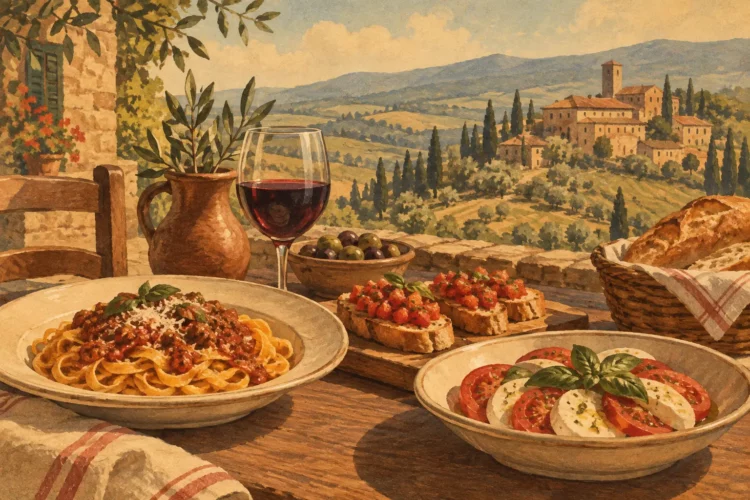
By The first time a plate of pappardelle al cinghiale arrives at the table in Tuscany, it tends to quiet conversation for a moment. The aroma is deep and slow, the sauce dark and glossy, the pasta broad enough to hold every spoonful. A good guide to Tuscan game meat begins there – not with theory, but with the kind of dish that tells you immediately where you are.
In this part of Italy, game is not a novelty and not a theatrical menu choice. It belongs to the landscape. Woods, hills, open countryside and old hunting traditions have shaped a cuisine that is earthy, generous and unhurried. For visitors, that can be one of the great pleasures of eating well in Tuscany. It can also raise questions. Which meats are most common? What do they taste like? And how do you choose a dish if you are new to it?
A guide to Tuscan game meat and why it matters
Tuscan cooking is often praised for its simplicity, but simplicity here does not mean plainness. It means respect for ingredients and confidence in tradition. Game meat expresses that beautifully. These dishes are usually built from a few strong ideas: careful marinating, patient simmering, herbs from the countryside, and pasta or polenta that gives the sauce a proper home.
What makes game distinct is flavour. It is usually darker, fuller and more savoury than farmed meat, with a character shaped by the animal’s natural diet and habitat. That is exactly why many people seek it out, but it is also why expectations matter. If you are hoping for something mild and neutral, game may feel more intense. If you enjoy food with a sense of place, it can be unforgettable.
There is also a seasonal and cultural rhythm to it. In cooler months especially, game dishes feel entirely at home. They suit long lunches, red wine, and the kind of meal that invites you to stay at the table a little longer while the light softens outside.
The meats you are most likely to find in Tuscany
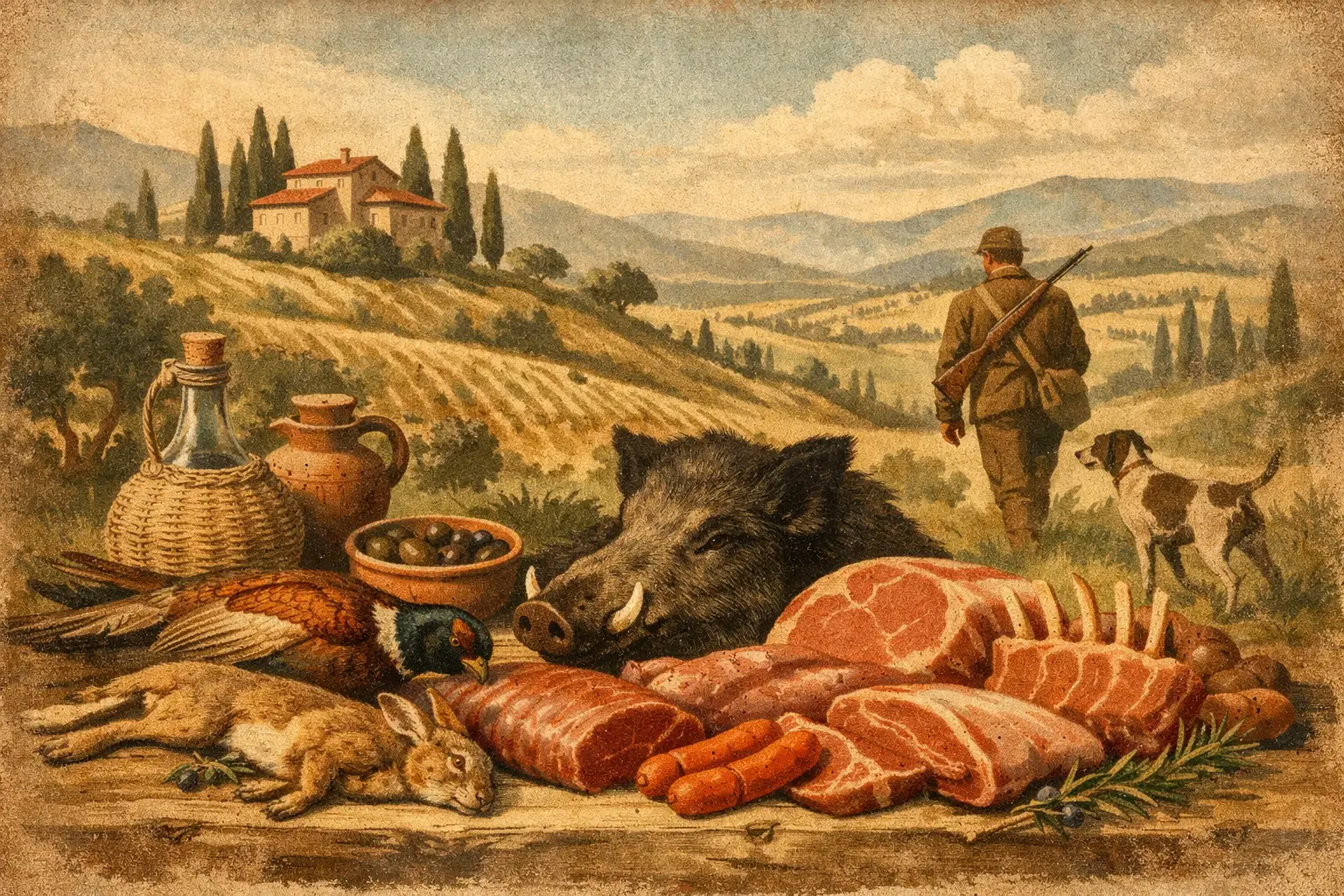
Wild boar, or cinghiale, is the name most visitors encounter first, and for good reason. It is the emblematic game meat of Tuscany. Rich, slightly sweet, and more assertive than pork, it is often cooked into ragù for pappardelle or served as a slow-cooked stew. When prepared well, it is tender rather than heavy, with a sauce that tastes of wine, juniper, tomato and the long patience of the kitchen.
Hare, or lepre, is another classic. It is leaner than wild boar and often has a more pronounced, almost elegant wild flavour. In Tuscany it may appear in a ragù, sometimes with chocolate or spices in older-style recipes, or in a dish inspired by lepre in dolceforte, where sweet and savoury notes meet. Hare is often the choice for diners who already enjoy game and want something with more character.
Pheasant and other wild birds appear less universally but are very much part of the Tuscan table. Their flavour sits somewhere between familiarity and depth. A well-cooked pheasant dish can be refined and comforting at once, especially in the cooler part of the year.
Venison is less tied to everyday Tuscan identity than wild boar, yet it does appear in some kitchens and can be excellent. It is lean, elegant and best when treated with care, so that the meat stays supple and the sauce supports rather than overwhelms it.
How Tuscan kitchens make game approachable
For anyone hesitant about ordering game, the good news is that Tuscan cooking knows how to soften its edges without losing its soul. Marinating is often part of the process, especially with red wine, herbs, vegetables and spices. This does not simply flavour the meat. It rounds it, calms any excessive sharpness, and prepares it for slow cooking.
That slow cooking matters. Many of the most beloved dishes are braised or simmered for hours. Time allows tougher cuts to relax and strong flavours to settle into balance. You taste depth rather than aggression, warmth rather than weight.
Pasta also plays a quiet but essential role. Wide ribbons such as pappardelle are not chosen by accident. They catch thick ragù beautifully and give structure to a rich sauce. In other cases, polenta or rustic bread helps absorb the juices and turn a powerful meat into a complete, comforting dish.
This is why a first experience of Tuscan game is often easier than expected. You are not being asked to eat something stark or severe. You are being invited into a style of cooking designed to make the most of it.
What to order if you are new to game
If this is your first guide to Tuscan game meat in practical terms, start with wild boar ragù. It is the most welcoming introduction. The sauce is familiar enough for anyone who loves a good meat ragù, but it carries that unmistakable woodland depth that makes it feel distinctly Tuscan.
If you already know you enjoy richer flavours, hare is the next step. It has more personality and often rewards a slower, more attentive palate. This is the dish to choose when you want something less obvious and more rooted in older culinary traditions.
If you prefer something gentler, ask about game birds before committing to the stronger options. Their flavour can be more delicate, and the texture often feels closer to what many diners already know.
It also depends on when and where you are eating. In a kitchen that treats game as part of its heritage, even a bold dish can feel beautifully balanced. In a less careful setting, game may come across as heavy or overworked. Preparation makes all the difference.
How to pair Tuscan game meat well
The natural companion to Tuscan game is red wine, but not every red works in the same way. Wild boar stands comfortably beside structured wines with fruit, spice and enough acidity to keep the meal lively. Hare often suits something more elegant and layered, especially if the dish includes sweeter or more aromatic notes.
Side dishes should not compete too much. Roasted potatoes, seasonal greens, soft polenta or simply good bread are often all you need. The point is to support the meat, not distract from it.
Game also asks for the right pace. These are not hurried plates. They are better enjoyed when lunch is allowed to stretch, or when dinner feels like an occasion rather than a stop between plans. In the Tuscan countryside, where the landscape itself invites you to slow down, that rhythm feels especially natural.
A few expectations worth having
Game is not always for everyone, and that is part of its honesty. Some dishes have a stronger scent, a deeper mineral note, or a firmer identity than diners used to milder meats might expect. There can be variation too. Wild animals do not taste identical from season to season, and traditional kitchens do not flatten every nuance for consistency.
That is part of the pleasure for many travellers. You are tasting something specific to a place, shaped by its terrain and habits rather than by a standardised formula. In a restaurant that cooks with care, that specificity feels like a gift.
For families or mixed groups, it can be lovely to order one game dish for the table alongside more familiar Tuscan classics. That way everyone shares the experience without pressure. A meal becomes a conversation, and often the person who claimed they would only have a bite ends up reaching for another forkful.
The pleasure of eating with the landscape in mind
Perhaps the most meaningful thing in any guide to Tuscan game meat is this: these dishes make the most sense when you connect them to where you are. They belong to cypress-lined roads, wooded hills, cooler evenings and tables set for lingering. They are part of a wider Tuscan way of eating that values season, place and company as much as the plate itself.
That is why game, at its best, feels more than rich or rustic. It feels grounding. It slows the meal down. It sharpens your sense of the countryside around you. And when it is served in a setting where the view, the air and the cooking all speak the same language, the experience stays with you long after the last bite.
If you are choosing your first game dish in Tuscany, follow curiosity rather than caution. Start with wild boar if you want comfort with depth, move to hare if you want something more expressive, and trust the kitchen when the menu reflects the land around it. Some meals feed your appetite. Others help you understand a place.