 By
A memorable family dinner rarely begins when the first plate reaches the table. It begins earlier: with the quiet decision to make space for one another, to choose a setting where nobody needs to hurry, and to let good food set the pace. Whether you are gathering several generations during a Tuscan holiday or bringing your closest people together after a long day, the best evenings feel generous rather than overplanned.
How to plan a family dinner around the people at the table
Before choosing a menu, think about who is coming and what will help them feel at ease. A dinner for grandparents, young children and hungry teenagers has a different rhythm from an evening for adult siblings and cousins. The aim is not to please every preference with an endless menu. It is to create a meal with enough choice, comfort and flexibility that everyone can settle in.
Start with the practical details. Confirm numbers a few days ahead, ask discreetly about allergies and dietary requirements, and decide whether the occasion needs a fixed time or room for late arrivals. Families travelling through Tuscany may be coming from different villages, a day of sightseeing or an afternoon by the pool. A slightly later reservation can be lovely, but only if the youngest guests will still enjoy it.
Give the gathering a simple shape. Is it a birthday meal, a reunion, the first dinner of a holiday, or simply an excuse to be together? A small purpose helps with every later choice, from the table to the dessert. It also keeps the occasion from becoming burdened by expectation. Not every family dinner needs speeches, decorations and a timetable. Often, it needs a welcoming table and time to talk.
Choose a place that lets conversation breathe
The room matters as much as the recipe. A beautiful setting can lift an ordinary meal, but beauty should never come at the cost of comfort. Look for a table with enough space for shared dishes, easy access for pushchairs or guests with limited mobility, and an atmosphere where people can hear one another without raising their voices.
For larger groups, ask about the seating arrangement rather than leaving it to chance. A long table encourages a shared occasion, while a quieter corner can be better for families with very young children. If the weather is kind, an outdoor table offers another pleasure entirely: the changing light, the scent of the landscape and the feeling that dinner has become part of the evening rather than an interruption to it.
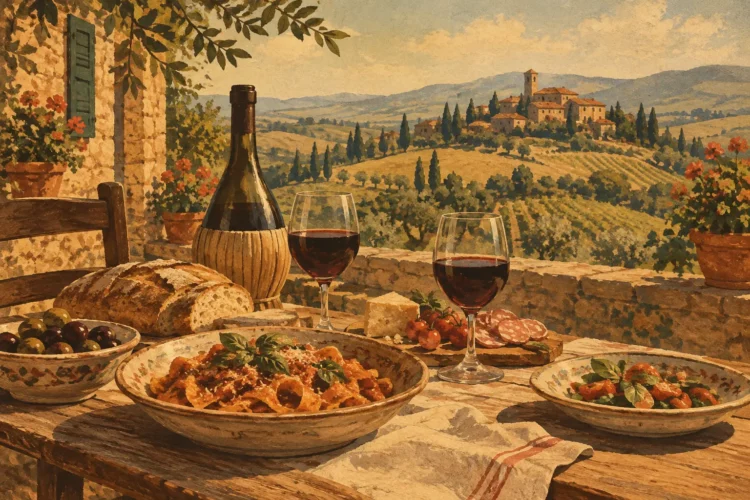
In the hills near Volterra, a meal on a generous terrace can give a family room to relax into its own rhythm. At Osteria Etrusca, the wide Tuscan views are not simply a backdrop to dinner. They invite guests to linger between courses, to watch the light soften, and to remember that a family meal can be both beautifully simple and deeply special.
Build a menu with familiar anchors and one surprise
The easiest way to plan a family dinner is to choose food that feels recognisable, then add one or two dishes that make the evening feel distinctive. A shared antipasto is an ideal beginning: good bread, local cheese, cured meats, vegetables prepared with care and something bright or crisp to wake up the appetite. It gives everyone a first pleasure while latecomers arrive and children find their feet.
For the main part of the meal, balance generosity with clarity. Too many options can slow a group down, particularly when children are tired or a large party is trying to order at once. Pasta is often the natural centre of an Italian family dinner because it is comforting, easy to share in spirit and open to different tastes. A rich ragù made with local game may delight confident eaters, while a simpler tomato sauce or fresh seasonal pasta gives others a familiar choice.
If you are ordering several courses, consider the appetite of the table. A substantial antipasto followed by pasta, grilled meat and dessert may be perfect for a long celebratory lunch that turns into evening. For a dinner after a day of travelling, it may be wiser to choose a lighter starter, one satisfying main course and something sweet to share. More food is not always more hospitable. The right amount lets people leave happy rather than exhausted.
Children deserve real consideration, not a token afterthought. Ask whether smaller portions or uncomplicated preparations are available, and order food they can enjoy without turning the evening into a negotiation. A child who is content with fresh pasta, bread and a scoop of gelato gives the adults far more freedom to enjoy the table.
Plan the timing, not every moment
A family meal becomes strained when it is run like an itinerary. Instead of trying to choreograph every course, plan only the moments that protect the mood. Arrive a little before the reservation, especially with a larger party, so there is time for greetings and a first drink. If someone is celebrating, let the restaurant know in advance. A small surprise is more graceful when it does not need to be arranged across the table.
Leave a pause between courses. This is particularly useful when different generations are eating together: children have time to move about, older guests are not rushed, and conversation can wander naturally from travel plans to family stories. In Italy, lingering is not a failure of service. It is often part of the pleasure.
There is a trade-off, of course. A family with toddlers may prefer an earlier dinner and a brisker pace, while a group of adults may want to sit under the evening sky long after dessert. Planning well means being honest about the energy of your particular group, rather than copying someone else’s perfect-looking occasion.
Let drinks support the meal
Choose wine with the same generosity you bring to the food. One well-chosen local red alongside still and sparkling water is usually more welcoming than an elaborate tasting discussion. Ask for a recommendation that suits the dishes you have selected and the confidence of your guests. A lighter wine can be more enjoyable on a warm terrace; a fuller red may suit slow-cooked meat and a cooler evening.
Do not forget the non-drinkers. A good dinner feels inclusive when there is something considered for everyone, whether that is sparkling water with citrus, a soft drink for younger guests or a carefully made coffee after the meal.
Create a table that invites sharing
The loveliest family tables are not necessarily formal. A bowl placed in the middle, bread passed from hand to hand and desserts ordered for sharing create small gestures of connection. If the occasion is at home, keep the table simple: linen or cotton, candles protected from the breeze, seasonal branches or a few flowers, and enough serving spoons that nobody has to wait.
At a restaurant, the same principle applies. Ask whether dishes can be served to share where appropriate, but respect the character of the menu. Some plates are best enjoyed individually, freshly prepared and served at their peak. Sharing should add warmth, not make the meal awkward.
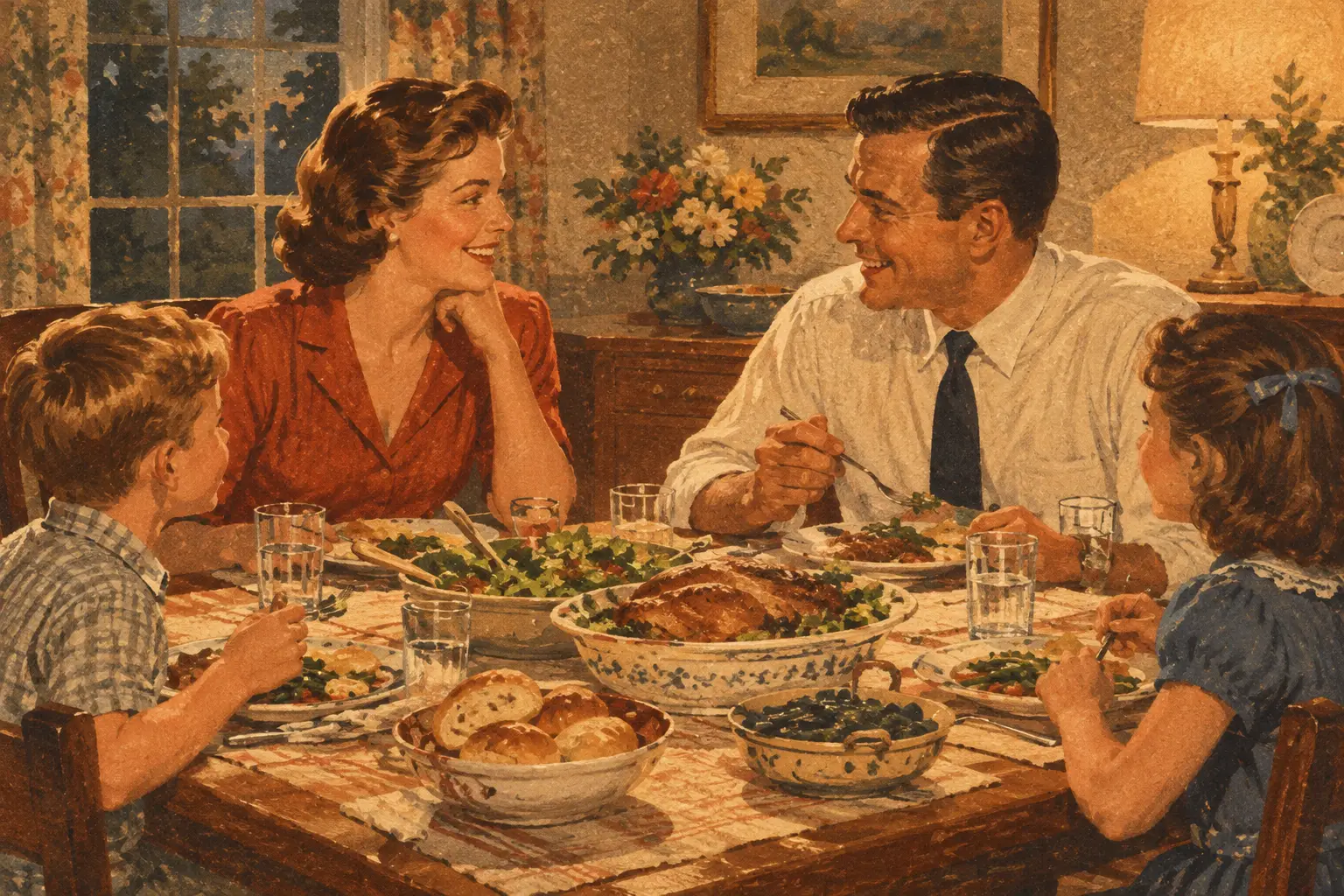
Put thought into where people sit, but avoid making it obvious. Place a quieter relative beside someone who draws them out. Give children a seat where a parent can help without losing the conversation. Try not to build separate adult and child camps unless the family genuinely prefers it. The point of dinner is the exchange between generations: a grandparent’s story, a child’s unexpected question, a cousin’s recommendation for tomorrow.
Make room for the unexpected
Even the most carefully planned family dinner may include a delayed arrival, a spilled drink or a child who suddenly refuses the dish they requested. Meet these moments lightly. The memory of the evening will not rest on perfect timing or matching plates. It will rest on whether people felt welcome when life was a little untidy.
That is why a good plan should always leave room for spontaneity. Perhaps dessert becomes a shared decision, someone orders one more coffee, or the conversation continues while the last colour leaves the hills. Plan enough that your guests feel cared for, then allow the evening to belong to the people around the table.