 By
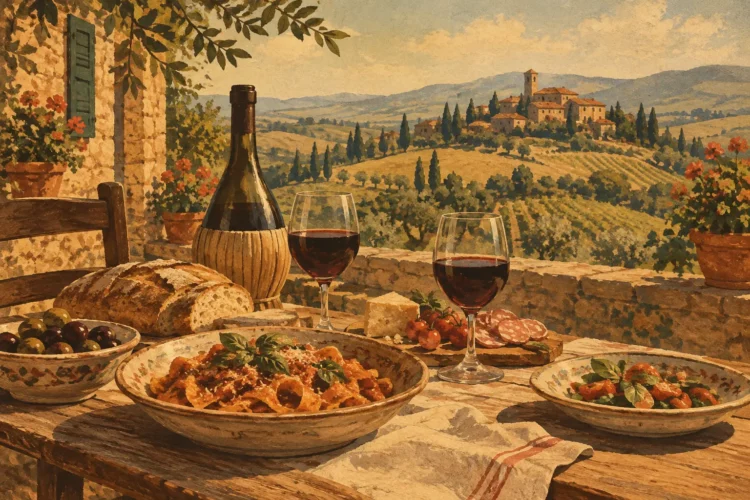
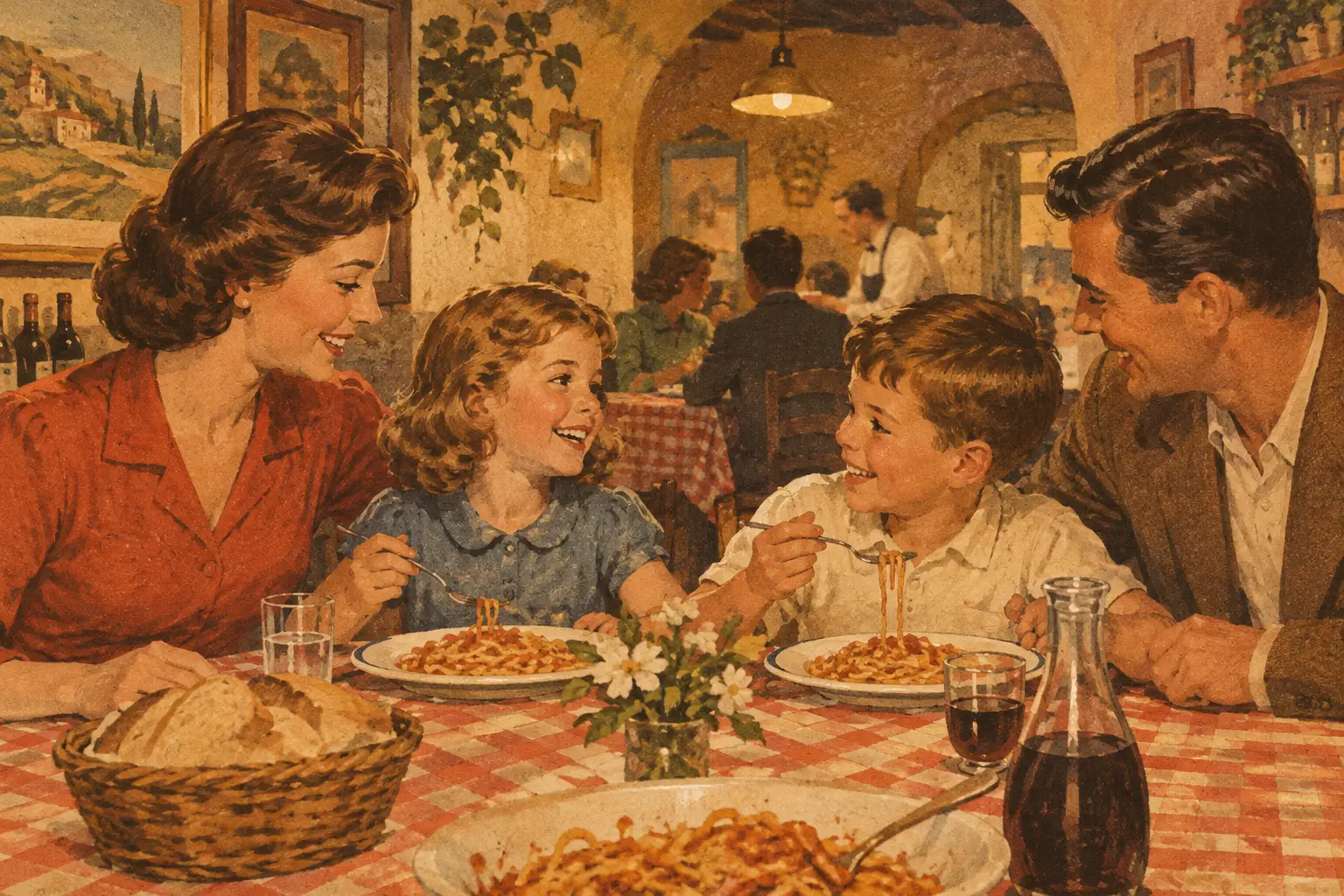
A long lunch beneath olive trees, a plate of pasta passed across the table, children watching the last light settle over the hills: this is one of Tuscany’s most generous pleasures. But are children welcome at osterias? In most cases, warmly so. Osterias are built around the Italian idea that a meal is shared time, not simply a reservation between two appointments.
That welcome does not mean every osteria feels the same. Some are lively village dining rooms where several generations gather for Sunday lunch. Others are intimate, candlelit spaces better suited to an unhurried dinner with older children. The key is to choose the setting and time that make everyone comfortable, then allow the meal to follow its own, delightfully Italian rhythm.
Are children welcome at osterias in Tuscany?
Yes, particularly at osterias that place regional cooking, hospitality and long tables at the heart of what they do. Children are a familiar part of everyday Italian life. They may be offered a smile, a small chair, a simpler portion or an extra plate to share, but the deeper welcome is usually less formal: families are expected to eat together.
This is very different from a restaurant designed around quick turnover or a fixed children’s entertainment programme. An osteria is often relaxed, but it still values the table. Guests come for food prepared with care, conversation and the pleasure of staying a while. Children need not be silent or solemn, but parents will have the best experience when they bring them into the occasion rather than treating the meal as something to get through quickly.
The atmosphere also changes with the hour. Lunch is often the easiest introduction for families. Daylight, a gentler pace and the possibility of sitting outdoors can make a meal feel effortless. Early dinner can work beautifully too, especially when children are ready for food before the later Italian evening rush. A small, refined osteria at 9 pm, however, may not be the happiest fit for a tired toddler.
What makes an osteria family-friendly?
A family-friendly osteria is not necessarily one covered in crayons and plastic toys. More often, it is a place with patient service, food that feels recognisable as well as memorable, and enough room for a family to settle in without feeling hurried.
Look for a menu with uncomplicated pleasures alongside more regional dishes. Fresh bread, tomato sauces, handmade pasta, roast potatoes, grilled meats and homemade desserts can be easy wins, even for young diners. In Tuscany, a child who is unsure about wild boar ragù may still be very happy with a simple pasta, a plate to share, or a portion adjusted by the kitchen where possible. It is always kind to ask, rather than assume, and to mention allergies or dietary requirements when booking.
Outdoor space can make a considerable difference. A spacious terrace gives children more visual interest and gives parents a little breathing room, without changing the expectation that the table remains a shared place. At Osteria Etrusca, the wide Tuscan patio and open views make lunch or an early supper feel less like a compromise and more like part of the holiday itself.
Practical details matter as well. If you are travelling with a baby, ask ahead about high chairs, buggy access and changing facilities. If your child has a favourite cup, a bib or a quiet activity for the time between courses, bring it. These small preparations can turn a good meal into a relaxed one.
The Italian pace: a pleasure, with a little planning
For British families, the rhythm of an Italian meal can be both charming and unfamiliar. Courses may arrive at an unhurried pace. Dinner may begin later than expected. Staff may not rush over with a children’s menu or automatically bring the bill as soon as plates are cleared.
This is not a lack of attention. It is a different understanding of hospitality: you have been given a table to enjoy, not a clock to race. With children, it helps to plan for that pace. Order a little bread or a starter to share early on, choose a time before hunger becomes a crisis, and let the children know that the meal has moments to savour.
There is a trade-off, of course. A leisurely lunch can be magical when everyone is rested, but it can feel long after a morning of sightseeing in the heat. On those days, choose fewer courses, share dishes, or book an earlier table. Good hosts appreciate clarity. A simple request for a quicker meal for young children is reasonable, especially if it is made kindly and at the beginning.
Choosing the right table and time
When reserving, be honest about who is coming. Say how many adults and children are in your party, whether you need a high chair, and whether a pushchair needs space. This helps the team place you well, perhaps on a terrace, near an open side of the dining room, or at a table with a little more room around it.
For young children, lunch between late morning and early afternoon is often ideal. The landscape is bright, the mood is easy, and there is no pressure to stay awake beyond their natural bedtime. Families with older children may enjoy dinner, particularly when the evening air cools and the table becomes part of the theatre of a Tuscan night.
Avoid measuring the experience against a formula. A child who happily sits through a two-course lunch at home may be restless after a day in the car. Another may become fascinated by the bread basket, the sounds from the kitchen and the sight of neighbouring families. Leave enough space in the day for the unexpected.
Helping children enjoy regional food
An osteria can be a lovely place for children to become curious eaters, but there is no prize for ordering the most challenging dish on the menu. Start with what feels familiar, then invite a taste of something new. A forkful of hand-rolled pasta, a spoonful of slow-cooked sauce or a shared dessert can be a more enjoyable introduction than an entire unfamiliar plate.
Language helps. Rather than presenting a dish as something exotic, describe its flavour and story simply: pasta made nearby, tomatoes cooked slowly, meat from the surrounding countryside, cake baked that morning. Children often respond to a sense of place when it is offered without pressure.
Sharing is especially useful. It reduces waste, keeps choice flexible and makes the meal communal. It also reflects the generous spirit of the osteria table. A child can have their own portion when they want one, but they can also taste from the centre of the table and discover what the adults are enjoying.
A note on manners, without losing the joy
Italian family meals are full of sound. Laughter, questions, grandparents calling across a table and children being children all belong. The aim is not perfect quiet. It is consideration for the people around you and respect for the people serving you.
Keep mobile phones and noisy games discreet, supervise children around other diners and let staff know promptly if something spills or breaks. If a child is overwhelmed, a short walk outside can reset the evening. These gestures preserve the calm for everyone, including your own family.
Most of all, resist the urge to apologise for taking up space before anyone has asked you to. Families belong at tables. With a thoughtful booking, a well-timed meal and a little patience, children can be part of the atmosphere that makes an osteria feel alive.
Let the meal be one of the memories your children carry home: warm bread, a view across the countryside, the first twirl of pasta they managed by themselves, and the simple happiness of being together for a little longer.