 By
By A plate of handmade pasta can be memorable in a bustling town square. Yet it tastes different when the air carries the scent of cypress, the table opens on to rolling hills, and lunch is allowed to become the afternoon. When choosing a farm restaurant or city trattoria, the real question is not which is better. It is what kind of Tuscan day you wish to have.
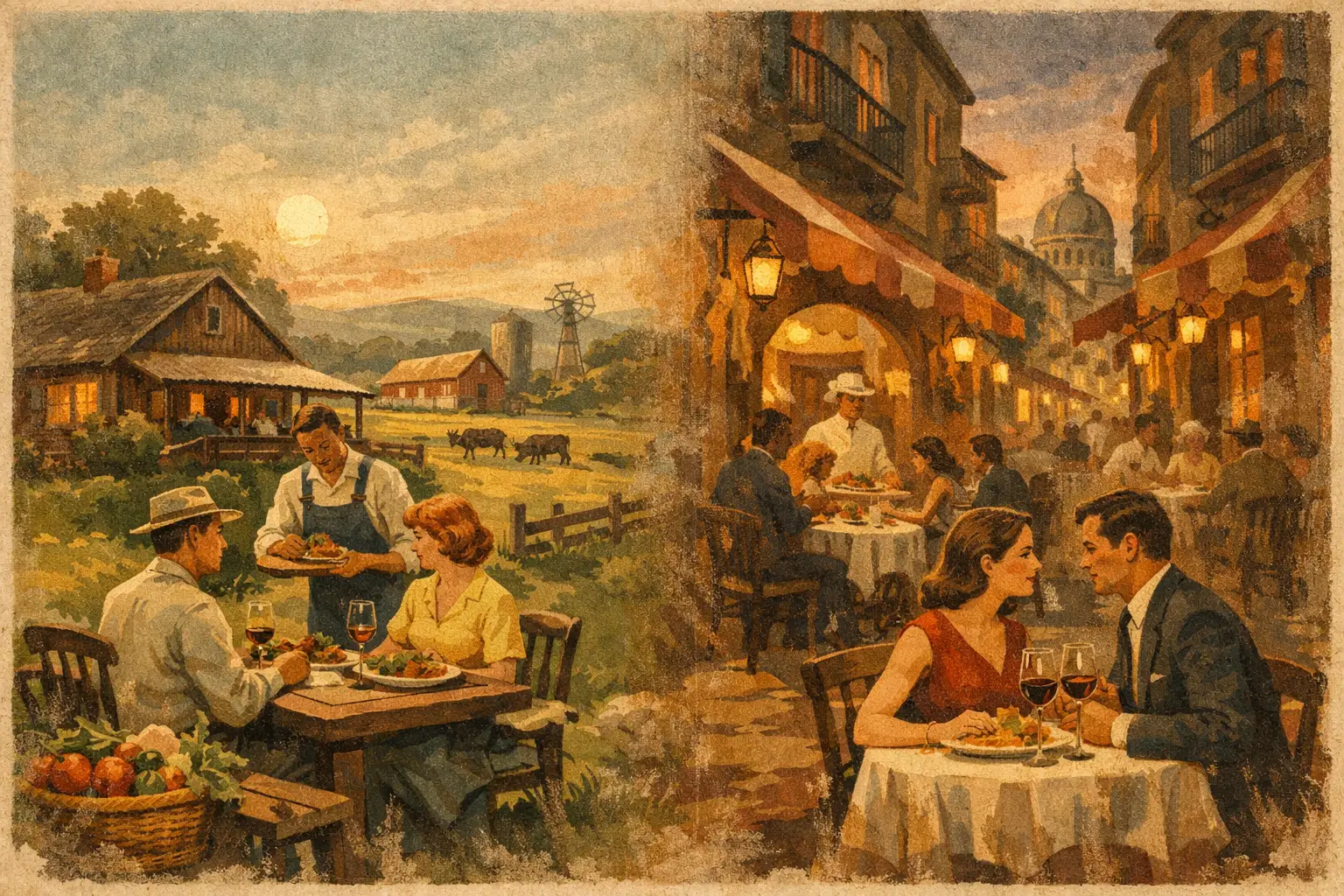
A city trattoria belongs to the rhythm of its streets: church bells, passing conversations, the pleasure of stepping from a gallery or market straight into a warm dining room. A farm restaurant asks for a small change of pace. It invites you beyond the centre, where the landscape becomes part of the table and the meal has room to unfold.
For many visitors, both belong on the same holiday. The choice simply depends on whether you are looking for energy, ease and a quick pause between plans, or a slower, more immersive celebration of food, place and company.
Farm restaurant or city trattoria: begin with the mood
A city trattoria is often the right answer when the town itself is the plan. You may be spending the morning wandering Volterra’s stone lanes, visiting museums, choosing ceramics, or meeting friends for an aperitivo before dinner. In that setting, a trattoria offers immediate pleasure. It is close, lively and deeply connected to the everyday theatre of Italian town life.
There is a special charm in sitting near an open doorway while waiters move between close-set tables and locals exchange news. The menu may be concise, the room animated and the timing naturally brisker. A bowl of pappardelle, a glass of local red and an espresso can restore you beautifully before you return to the streets.
A farm restaurant creates a different kind of occasion. The journey there is part of it. As the road leaves the town behind, the visual noise softens: fields, olive trees, vineyards and the changing light of the Tuscan countryside take over. You arrive not merely to eat, but to settle in.
This is especially meaningful when you have been travelling for several days, sharing time with family, or looking for a meal that feels like a true pause rather than another item on an itinerary. A generous terrace, an unhurried table and views that make everyone look up between courses can turn lunch or dinner into the memory that stays with you longest.
What changes on the plate?
The distinction is not as simple as urban versus rural cooking. Excellent city trattorie can be wonderfully traditional, and farm restaurants do not need to rely on rustic clichés. What often changes is the relationship between the kitchen, the ingredients and the surrounding land.
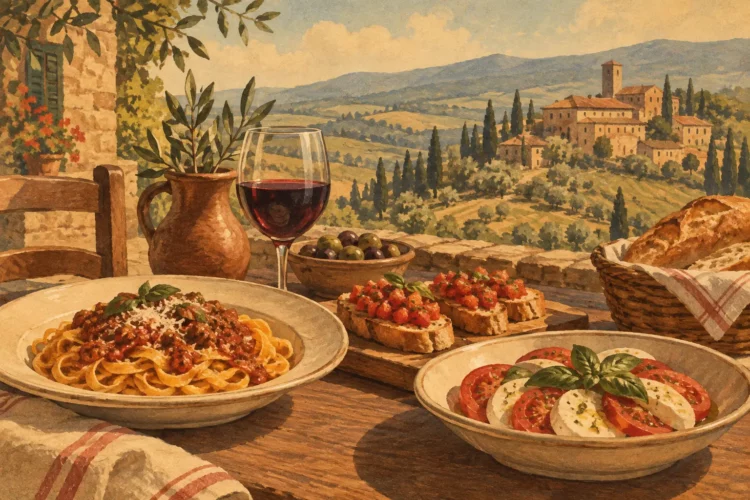
In the countryside, seasonality tends to feel especially tangible. The menu can follow the pace of nearby producers and the local calendar: tomatoes at their sweetest, porcini when the woods offer them, artichokes in their brief season, game when the weather turns cooler. A dish of pasta with wild boar ragù carries more meaning when it is served in the region where that flavour belongs.
At a farm restaurant, the space also allows food to be enjoyed in a fuller sequence. Begin with fresh bread and a glass of wine, linger over antipasti, choose a pasta or carefully cooked meat, then leave room for a homemade dessert. There is no need to hurry a good bottle or turn the meal into a decision made under pressure.
City trattorie may be more practical for a spontaneous lunch, especially if you are staying nearby and have limited time. Their strength is often their directness: familiar regional dishes, a close view of local life and the pleasure of being in the heart of the action. For a relaxed meal without a drive, that convenience matters.
The better choice, then, depends on your priorities. If you want to taste Tuscany between sightseeing plans, a city table makes perfect sense. If you want to feel Tuscany around you as you eat, the countryside offers something more expansive.
The value of space and time
A meal can be technically excellent and still feel rushed if the setting does not give it room. This is where a farm restaurant has a quiet advantage. Outdoor tables are not simply an extra feature when they look out over open land. They change the tempo of conversation, particularly for couples, families and groups who have come to Tuscany to breathe a little more deeply.
Children often benefit from this too. A city restaurant can be exciting, but it asks younger guests to stay within the pace and space of a busy dining room. A countryside setting can feel easier for the whole family, with daylight, fresh air and a gentler atmosphere around the table. The experience becomes less formal without losing its sense of care.
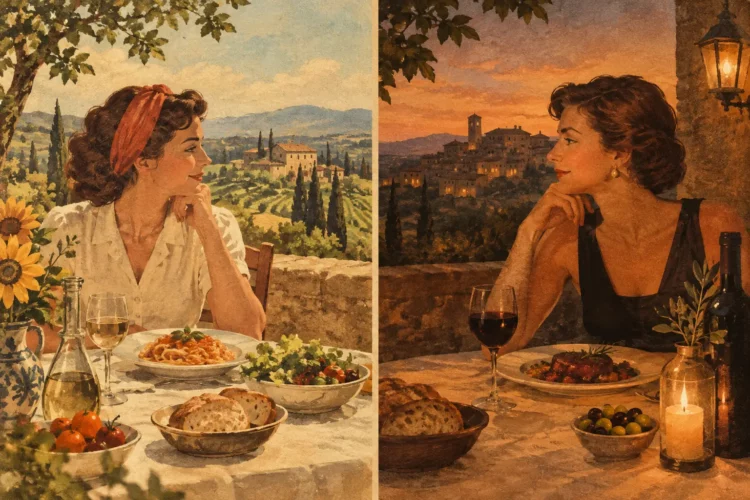
For couples, the appeal is often in the transition from day to evening. A late lunch may stretch into golden light. Dinner can begin with an aperitivo as the landscape cools, then continue slowly through candlelight, local wine and dessert. It is not about formality. It is about giving yourselves permission to stay.
At Osteria Etrusca, that sense of space is central to the welcome. The wide Tuscan views and generous patio are not a backdrop added to the food. They are part of the experience, alongside regional cooking, fresh bakes, Italian coffee and the pleasure of gathering around a table.
When a city trattoria is exactly right
Choosing the countryside does not mean dismissing the city. There are days when a city trattoria is the most joyful option. Perhaps rain has brought everyone indoors, you have tickets for an afternoon visit, or you want to wander home slowly after dinner through illuminated streets. Perhaps you are travelling without a car and want the freedom to decide where to eat at the last minute.
Town dining also suits those who enjoy the sociable current of a busy room. The closeness of other tables, the sound of plates being set down and the occasional burst of laughter can make a simple supper feel wonderfully alive. For solo travellers, it can be a particularly welcoming way to feel part of a place.
Choose a city trattoria when convenience, energy and proximity to local sights are leading the day. Choose a farm restaurant when the meal itself deserves to lead.
Make the meal part of your Tuscan itinerary
The most rewarding approach is to plan at least one countryside meal as deliberately as you would plan a vineyard visit or a walk through a historic hill town. Do not treat it as a backup once the city restaurants are full. Choose a day when you can arrive without watching the clock and let the drive become part of the pleasure.
A late lunch works beautifully after a morning exploring Volterra or the surrounding villages. It gives you the warmth of the day, long views from the table and enough time for coffee before an easy afternoon. Dinner brings a more intimate atmosphere, particularly if you want local wine, seasonal meat dishes and a slower finish under the evening sky.
Reservations are worth making when the setting matters to you. A good table, especially outdoors in fine weather, can shape the whole experience. Mention whether you are travelling with children, celebrating something special, or hoping to dine at a particular time of day. Hospitality is at its best when it has the chance to welcome you properly.
Let the day decide
There is no wrong answer between a town table and a countryside one. A city trattoria gives you the pulse of Tuscany’s historic centres. A farm restaurant gives you its horizon, its quiet and the generous space to enjoy each course without looking at the time.
On the days when you want more than a good meal, follow the road beyond the town and choose a table where the landscape joins you for lunch. Bring an appetite, bring the people you love, and leave enough room in the day for dessert.