 By
A proper Tuscan table has never needed to be crowded with meat to feel generous. A bowl of beans warmed with sage, bread softened by ripe tomatoes, or hand-cut pasta dressed in butter and herbs can hold the same sense of place as any grand Sunday roast. This vegetarian Tuscan dishes guide is for travellers who want to taste the region slowly, with an appetite for seasonal ingredients, local traditions and long lunches that drift gently towards the evening.
In Tuscany, vegetarian food is at its best when it follows the market. The cooking is direct but never plain: excellent olive oil, sun-ripened vegetables, creamy beans, fragrant herbs and day-old bread are treated with the respect they deserve. The result is food that feels both comforting and deeply tied to the landscape beyond the table.
What makes Tuscan vegetarian food so memorable?
Tuscany has a cucina povera tradition, a phrase that refers to the resourceful country cooking of earlier generations. It is not food that relies on expensive decoration or complicated technique. Instead, it finds richness in humble ingredients, using nothing wastefully and allowing time to deepen flavour.
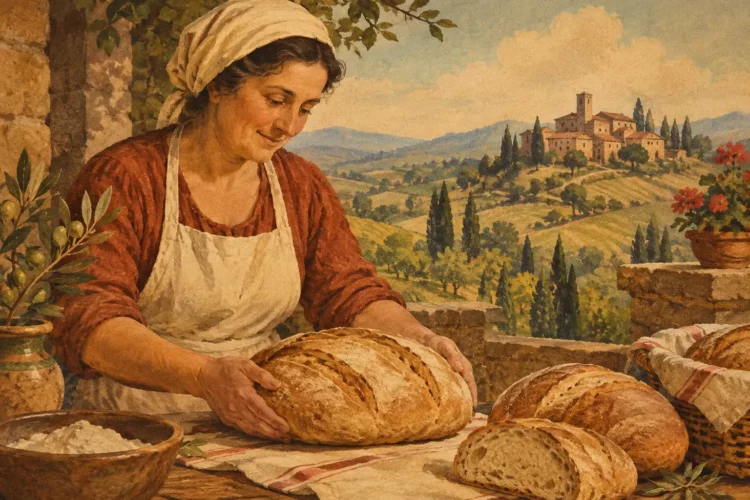
Bread is central to this story. Traditional Tuscan bread is often made without salt, which makes it a fine partner for assertive olive oil, ripe tomatoes, salty pecorino and soups cooked with beans and greens. Bread that is no longer fresh is not discarded. It becomes a salad, a soup or a crisp topping, transformed into something worth gathering around.
For vegetarians, this heritage offers a great deal. Still, tradition can vary from one kitchen to another. A soup that appears vegetable-led may have been started with meat stock; a pasta sauce may contain a little sausage or cured pork for depth. When ordering, it is wise to say clearly that you are vegetarian and ask whether the dish is made with vegetable stock and without meat or fish. In a good kitchen, this is a simple request, not an inconvenience.
Vegetarian Tuscan dishes guide: the dishes to seek out
Ribollita
Ribollita is the soulful answer to a cool Tuscan day. Its name means “reboiled”, reflecting the way this substantial soup was traditionally made in a large pot and reheated over several days. Cannellini beans, cavolo nero, cabbage, carrots, celery, onion and stale bread slowly come together until the texture is almost velvety.
The most memorable versions are finished with a generous pour of new-season olive oil. The peppery fruitiness of the oil brings brightness to the earthy beans and greens. Ribollita is naturally suited to vegetarians, but do check the stock. It is a dish worth ordering more than once, as every cook gives it a slightly different character.
Panzanella
Panzanella is summer on a plate. Torn bread is softened with tomato juices, olive oil and vinegar, then tossed with cucumber, red onion, basil and very ripe tomatoes. It should taste vivid rather than heavy, with the bread absorbing flavour while retaining a little texture.
This is not simply a side salad. On a hot afternoon, with a chilled glass of white wine and a view across the hills, panzanella can be the lunch you did not know you were craving. The quality of the tomatoes matters enormously, so it is at its most convincing from late spring through early autumn.
Pappa al pomodoro
Pappa al pomodoro takes a short list of ingredients – tomatoes, bread, garlic, basil, olive oil and stock – and turns it into something soft, fragrant and deeply satisfying. It sits somewhere between a soup and a savoury bread pudding, often served warm but equally lovely at room temperature.
Because there is nowhere for mediocre ingredients to hide, this dish depends on excellent tomatoes and olive oil. In the right season, it tastes of sunshine held in a bowl. Ask whether the stock is vegetable-based if that is essential to your diet.
Fagioli all’uccelletto
White beans are one of Tuscany’s quiet triumphs. In fagioli all’uccelletto, cannellini beans are gently cooked with tomato, garlic and sage until tender and richly flavoured. It is often served as a contorno, or side dish, but it has enough warmth and substance to become the centre of a lighter meal.
The sage is the defining note: aromatic, resinous and especially beautiful alongside a glass of Sangiovese. Some kitchens add pork products, despite the dish’s vegetable-forward nature, so a quick question before ordering is worthwhile.
Gnudi and ricotta-filled pasta
Gnudi are delicate dumplings made from ricotta, spinach and a little flour, usually served with sage butter or tomato sauce. Their name suggests they are “nude”, as though the filling of ravioli had been served without its pasta coat. They are tender, rich and wonderfully suited to a relaxed supper.
You may also find tortelli stuffed with ricotta and spinach, particularly in different parts of the region. These dishes are usually vegetarian, though the choice of cheese deserves attention for strict vegetarians. Pecorino is traditionally made with animal rennet, so it may not suit every guest. A restaurant can often guide you towards dishes made with suitable cheeses or adapt the finishing touch.
Grilled vegetables, mushrooms and seasonal sides
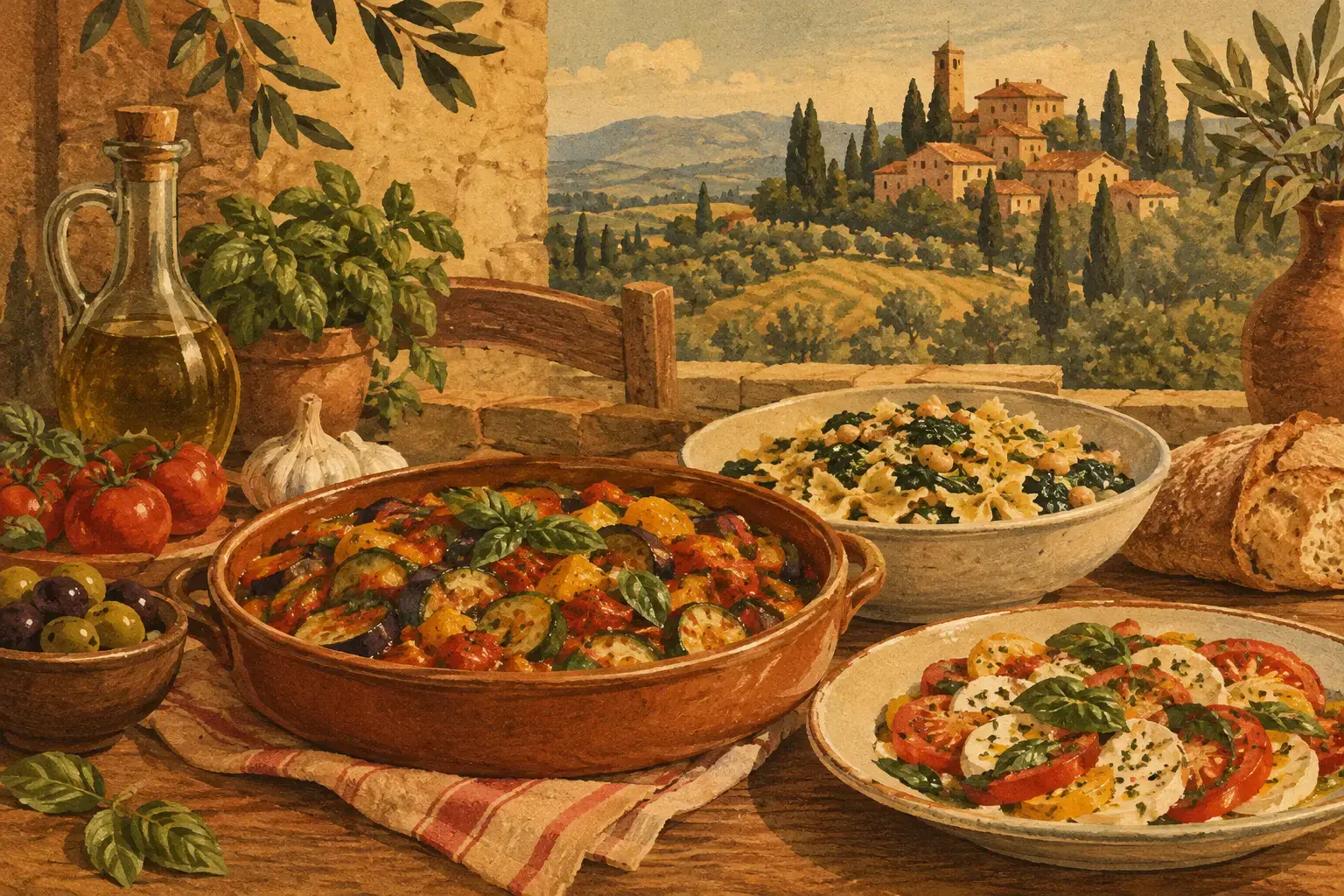
A Tuscan menu often reveals its vegetarian pleasures in the contorni. Aubergine, courgettes, peppers, chicory, artichokes and potatoes may be grilled, roasted or braised with olive oil and herbs. In autumn, porcini mushrooms can make even a simple plate of polenta feel celebratory. In spring, tender peas, broad beans and artichokes bring a fresher, greener mood to the table.
Do not treat these dishes as an afterthought. Order two or three to share, add a salad and a bowl of beans, and you have a meal that feels abundant without becoming overly formal.
How to order a satisfying vegetarian meal in Tuscany
The easiest approach is to think in courses, but not to feel bound by them. Begin with a shared antipasto of marinated vegetables, bruschetta, pecorino if it suits your preferences, and perhaps a seasonal salad. Follow with one substantial dish such as ribollita, gnudi or pasta, then add a bean dish or roast vegetables for the table.
This way of eating suits the local rhythm. Rather than searching for one large vegetarian main course, you create a meal from several thoughtful plates. It is sociable, varied and particularly enjoyable when you are travelling with people who eat differently.
Be specific when speaking to your host. “Vegetarian” is widely understood, but it helps to mention if you also avoid fish, meat stock, gelatine or animal rennet. If you are vegan, say so from the start. Tuscan kitchens can offer beautiful plant-led food, although butter, eggs and cheese are common in traditional recipes and alternatives may depend on the day’s preparations.
Let the season choose your plate
A vegetarian Tuscan meal changes beautifully across the year. Spring brings artichokes, wild greens, peas and broad beans. Summer is for tomatoes, basil, courgette flowers and panzanella eaten slowly in the shade. Autumn invites mushrooms, chestnuts, pumpkin and new olive oil, while winter belongs to soups, beans, cabbage and warming baked dishes.
That seasonality is not a limitation. It is precisely what keeps the table interesting. A menu that does not offer panzanella in January or fresh porcini in June is often showing respect for the ingredients rather than withholding a favourite.
Wine can follow the same principle of balance. Crisp Vernaccia from around San Gimignano is a lovely match for vegetable antipasti, salads and lighter pasta dishes. A young Chianti or other bright Sangiovese can sit beautifully alongside beans, mushrooms, tomato-rich dishes and grilled aubergine. If you avoid animal-derived fining agents, ask for guidance when choosing a bottle.
Make room for the setting as well as the food
The most satisfying meals in Tuscany are rarely rushed. Leave space for an aperitivo, for the scent of rosemary after the heat of the day, and for dessert shared after the plates have been cleared. A simple almond biscuit with vin santo, a spoonful of panna cotta or a scoop of gelato can be the gentle final note.
At a countryside table near Volterra, the pleasure grows when the food is allowed to meet its surroundings: olive groves, open skies, the hush between conversations and the unmistakable warmth of a long Italian welcome. Choose what is in season, ask a few clear questions, and let a generous plate of vegetables, beans and bread show you just how complete Tuscan hospitality can be.