 By
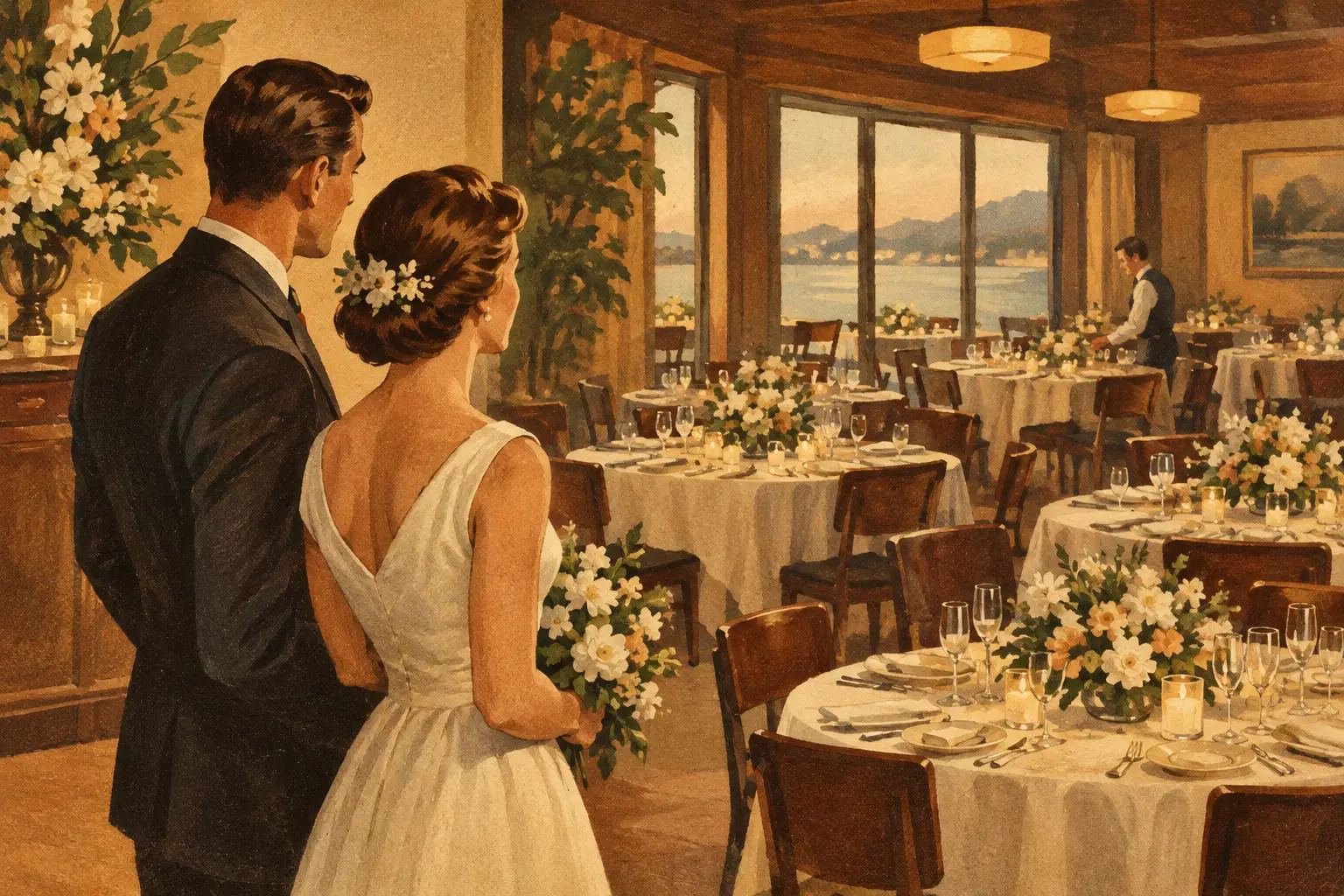
A wedding meal in Tuscany should never feel like a headcount exercise. It should feel like long tables warmed by evening light, glasses raised among friends, and enough room for every conversation to unfold naturally. That is why restaurant wedding capacity is about far more than the maximum number of chairs a venue can place in a dining room or on a terrace.
For couples choosing a restaurant celebration, the right number is the one that protects the atmosphere they came for. It leaves space for a generous table setting, attentive service, children who need a little freedom, and the unhurried pleasure of moving from aperitivo to dinner and dessert. Capacity matters, but comfort, rhythm and setting matter just as much.
What restaurant wedding capacity really means
When a restaurant says it can host a certain number of guests, ask what that figure describes. It may refer to a seated wedding breakfast, a standing welcome drink, a ceremony, or an exclusive-use event. These moments have very different spatial needs.
A patio that welcomes a large number of guests for a sunset aperitivo may be best kept more intimate for a seated dinner with flowers, candles and shared dishes. Equally, an indoor dining room that feels beautifully lively for forty guests may not suit a dance floor, a live musician or a buffet table at the same time.
The most useful capacity is not the absolute maximum. It is the number at which the setting still feels generous. At a restaurant wedding, guests notice the ease of the evening: whether they can reach their seats without squeezing past chairs, whether the service has room to move, and whether the couple can circulate without the celebration becoming fragmented.
Start with the shape of your celebration
Before asking for a number, decide how you want the day to feel. A relaxed lunch beneath the Tuscan sun has different requirements from an evening reception that begins with cocktails and continues under the stars.
A single long-table supper creates intimacy and suits smaller groups particularly well. Guests share bread, stories and platters across the table, while the whole party remains part of one conversation. Separate tables offer more flexibility for a larger gathering, for family groupings or for guests travelling with children.
Then consider the moments around the meal. Will there be a civil or symbolic ceremony on site? Do you imagine a standing aperitivo with local wine and small plates before dinner? Is there a cake-cutting, speeches, music or dancing? Each addition is possible only when it has a proper place in the flow of the event.
For many couples, the loveliest answer is not to fit every traditional wedding element into one area. A ceremony may belong in the open air, aperitivo on the terrace, and dinner at beautifully dressed tables. Moving gently through the venue gives the celebration a sense of occasion without making any one space work too hard.
Restaurant wedding capacity for seated dining
Seated dining is usually the clearest starting point, but even here the detail matters. Ask for the comfortable seated capacity for your preferred layout, not simply the largest possible guest count.
Round tables, rectangular tables and one long convivial table all use space differently. A layout should also allow for place settings, generous serving plates, high chairs if needed, and access for guests with reduced mobility. A restaurant designed for hospitality understands that a beautiful table needs breathing room.
Menu style changes the picture too. A plated meal can be elegantly organised in a compact setting, while family-style courses encourage abundance at the centre of the table and need more surface space. A buffet requires room for guests to queue without interrupting those still dining. If you hope for a whole roast, pasta served in sharing bowls, or a dessert table of Tuscan favourites, mention it early.
Service is the detail couples do not always see during a viewing, yet they feel it throughout the meal. Staff need clear routes to pour wine, serve courses and respond with calm attention. A room may technically hold more people, but the experience becomes less gracious if every plate must navigate a narrow passage.
The guest count that feels right
A smaller wedding can make a restaurant feel wonderfully personal. It allows for considered menus, longer conversations with guests and a setting that feels like a dinner party at its most beautiful. It can also make space in the budget for details guests remember: exceptional local wine, seasonal flowers, a lingering dessert course or a late-night plate of something comforting.
A larger group brings its own joy – the energy of several generations together, friends arriving from different countries, and a table alive with celebration. The key is choosing a venue whose team can host that number with warmth rather than simply accommodate it. A full restaurant should still feel cared for, never crowded.
Ask about outdoor space and a weather plan
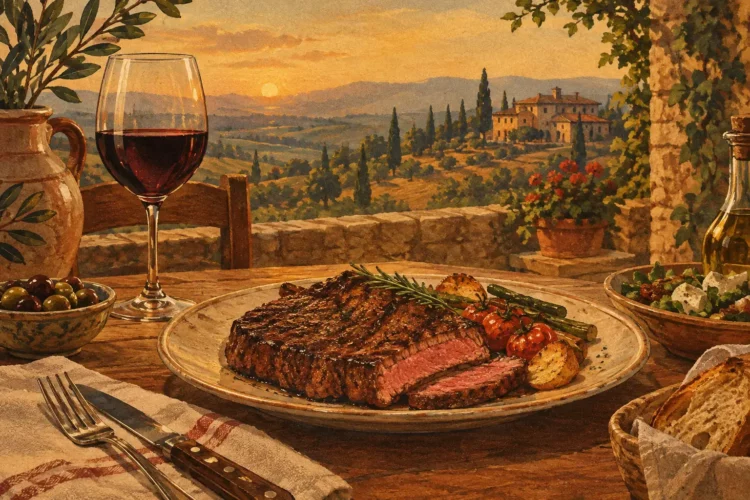
Tuscany gives generously: warm light, cypress-lined horizons and evenings that invite guests to remain at the table. Outdoor dining is often the reason couples choose a restaurant wedding here, especially at a place with wide views and the atmosphere of the countryside close at hand.
Yet a thoughtful event plan makes room for the changing seasons. Spring can bring a cool breeze after sunset. High summer asks for shade and water during the day. Autumn light is extraordinary, but evenings can turn crisp. Rain is unlikely to be part of anyone’s vision, but it deserves a calm, practical answer.
Ask where each part of the celebration would take place if the weather changes. Is there an indoor alternative for the full party? Can the timing shift? Are umbrellas, covered areas, heaters or blankets available when appropriate? The best contingency plan is one that still feels like a celebration, not a compromise.
At Osteria Etrusca, the scale of the patio and its open Tuscan views can make an outdoor gathering feel expansive without losing the closeness of a shared meal. Even so, the final layout should always follow the season, the time of day and the way you want your guests to move through the occasion.
Do not forget the people behind the chairs
Your guest list is not only a number. It includes grandparents who may prefer easy access and a comfortable seat, young children who may need an earlier meal or room for a pram, and guests who have travelled far and want time to settle in. It may include dietary requirements, a photographer, musicians or a celebrant who also need to be welcomed into the plan.
A restaurant can advise on practical details, but couples should share them openly from the beginning. Let the team know if you expect children, if anyone uses a wheelchair, if you are bringing live music, or if speeches are a priority. Small information can shape the table plan, service timing and choice of space in meaningful ways.
It is also wise to think about exclusivity. A partial-area booking may be ideal for a small, relaxed lunch where you enjoy the gentle life of the restaurant around you. Exclusive use offers greater privacy and more freedom over timings, music and décor. Neither is automatically better; the right choice depends on whether you picture your wedding as an intimate gathering within a living restaurant or an occasion entirely your own.
Questions worth asking before you reserve
A venue conversation becomes much easier when you can describe the day clearly. Ask for the comfortable capacity for seated dining, standing aperitivo and any ceremony you are considering. Request a sample layout for your estimated guest count, and ask what changes if ten more people accept your invitation.
Discuss the minimum and maximum numbers, the final deadline for confirming guests, and whether children, suppliers and the couple are included in the dining count. Clarify the wet-weather alternative, access arrangements, music limits and the latest possible finish. If you have your heart set on one long table, a certain menu style or a cake moment outdoors, say so before you fall in love with a photograph of the space.
These questions are not about making a romantic decision feel overly formal. They are how you protect the romance. Clear plans allow everyone to relax when the day arrives.
The right restaurant wedding does not ask guests to make do with less space, less comfort or less attention in order to meet a headline capacity. It invites them to settle into a table, taste the season and stay a little longer as the light changes. Choose the number that lets your celebration breathe, and the memory will have room to do the same.