 By
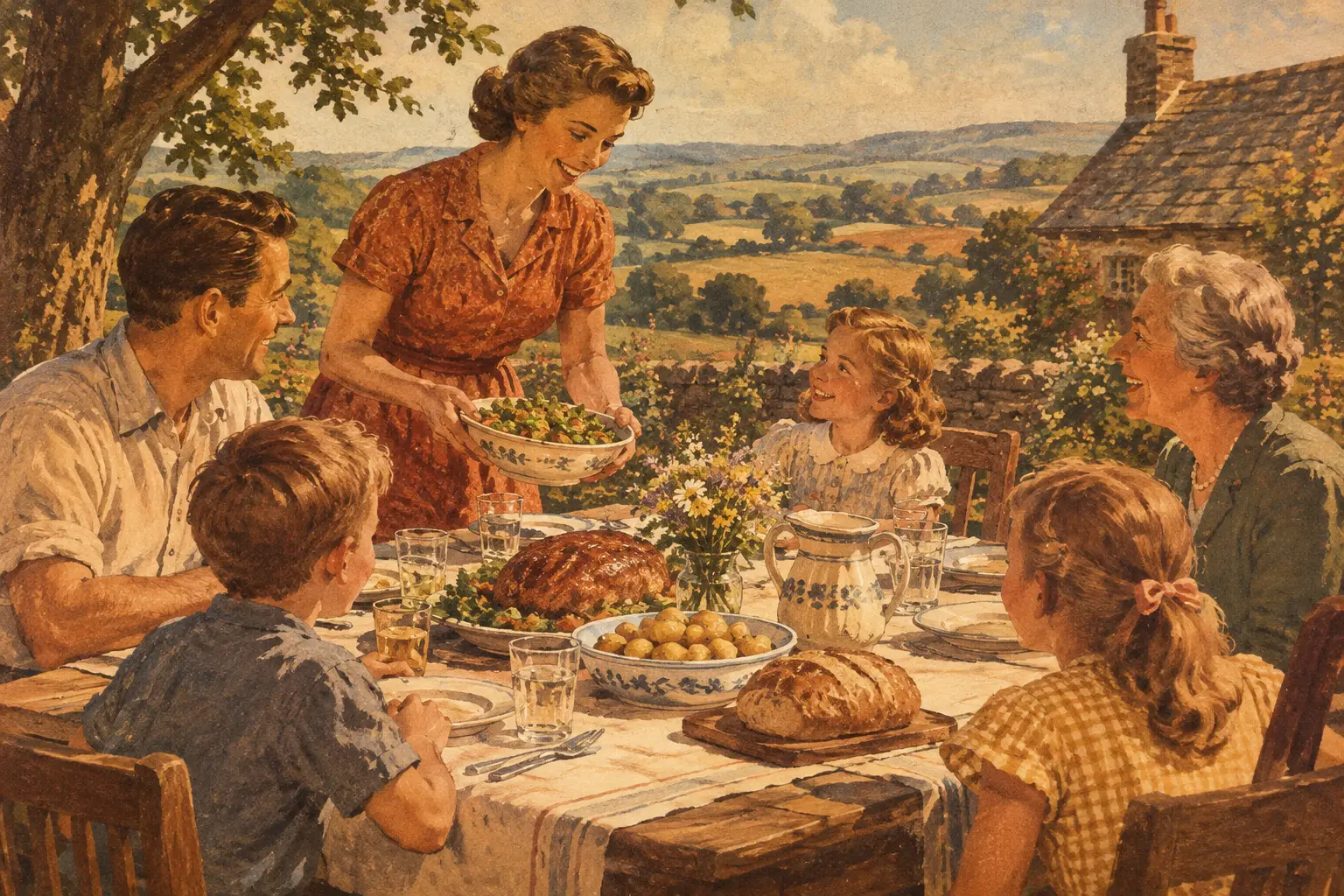
By A long table beneath the open sky changes the pace of a family meal. Children have room to wander between courses, grandparents can settle into the shade, and lunch has permission to become an unhurried afternoon. If you are wondering how to organise a countryside family meal, begin with that feeling: not an event to manage minute by minute, but time and space for everyone to be together.
The countryside offers much of the atmosphere for you. Your task is to make it comfortable, generous and easy enough that the people you love can enjoy the view, the food and one another without being asked to follow a timetable.
Start with the rhythm, not the menu
A family meal in the country rarely suits a tight two-hour slot. Plan for a gathering that opens gently, especially if guests are travelling from different places or arriving with young children. An aperitivo on arrival gives everyone a natural pause to greet each other before sitting down. Sparkling water, a local wine, fresh juice for children and a few small bites are quite enough.
For a relaxed Italian-style lunch, aim to serve the main meal after everyone has arrived and settled, rather than at the exact time printed on an invitation. This small flexibility prevents the host from feeling rushed and means late arrivals do not disrupt the table. If the meal is in high summer, a later lunch is often more comfortable; in spring or autumn, make the most of warm midday light.
Consider the ages around the table. Small children may need something simple sooner than the adults, while older relatives will appreciate a seat with shade, a supportive chair and easy access to the washroom. These are quiet details, but they shape whether the day feels effortless or tiring.
Choose a setting that lets everyone relax
Beauty matters, but comfort keeps guests at the table. Look for a place with broad views, natural shade or parasols, reliable seating and enough room for pushchairs, high chairs and children who need to move. A large outdoor terrace can be ideal because it gives the meal a sense of occasion without making a family feel confined.
The best countryside venues also have a sensible plan for changing weather. A glorious Tuscan afternoon can turn breezy as the sun drops, while heat can feel intense long before lunch. Ask whether there is a covered area, an indoor table available if needed, and blankets or heaters for an evening gathering. You do not need to organise for every imaginable possibility, but one thoughtful back-up plan protects the mood.
Think about arrival and departure, too. Is parking straightforward? Can guests with limited mobility reach the table without a long uneven walk? If several people are staying nearby, can the timing allow them to travel comfortably? A meal feels more luxurious when nobody is anxious about logistics.
How to organise a countryside family meal around food
The most memorable family menus offer abundance without excess. Rather than presenting a long list of decisions at the table, choose a seasonal structure that feels familiar and generous: something to share at the beginning, a handmade pasta or vegetable-led first course, a satisfying main dish, then dessert with coffee.
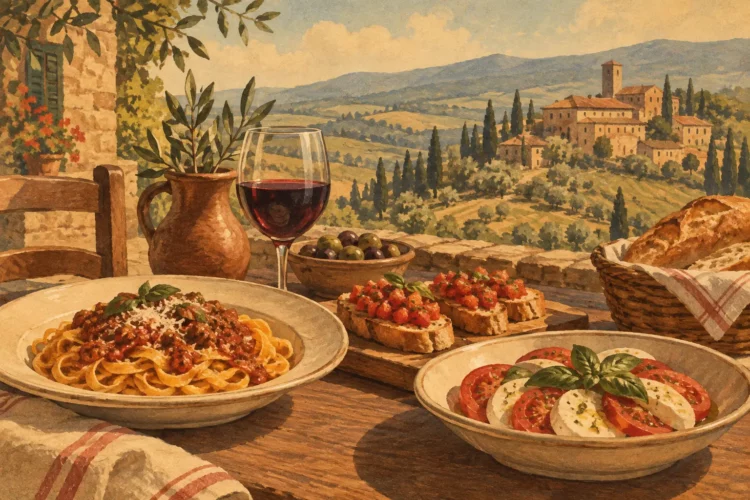
In Tuscany, this might mean boards of local cheeses, cured meats and vegetables in olive oil, followed by pasta with a slow-cooked sauce, grilled meat or a dish of seasonal produce. Game can be wonderful for adults who want a more regional flavour, but it is wise to balance it with a gentler option for less adventurous eaters. A good family meal should not ask anyone to be brave simply to find lunch.
Speak to the restaurant or caterer in advance about dietary requirements, allergies and children’s portions. Ask whether dishes can be served for sharing or plated individually. Sharing brings warmth to a table of close family, but individual plates may be easier when there are allergies, very young children or guests with particular needs. There is no single right choice; the best format depends on the group.
Keep the menu focused. Four excellent courses can feel celebratory, while too many dishes can leave people full, distracted and ready to leave before dessert. Save room for a proper sweet finish: a homemade tart, semifreddo, seasonal fruit or a simple cake placed in the centre of the table. Birthday candles, if the occasion calls for them, need no elaborate staging when the setting is already beautiful.
Let local ingredients do the talking
Countryside meals become meaningful when they belong to the place. Choose ingredients at their best rather than trying to recreate a menu from home. Ripe tomatoes, fragrant basil, pecorino, fresh bread, local olive oil and wines from nearby vineyards carry more sense of place than a complicated dish ever could.
This approach is also kinder to mixed groups. Food prepared simply, with excellent ingredients, gives guests clear flavours and easy choices. It creates conversation naturally: about the bread, the olive oil, the wine, the landscape beyond the table. That is part of the pleasure of eating in the countryside.
Make the table welcoming, not over-styled
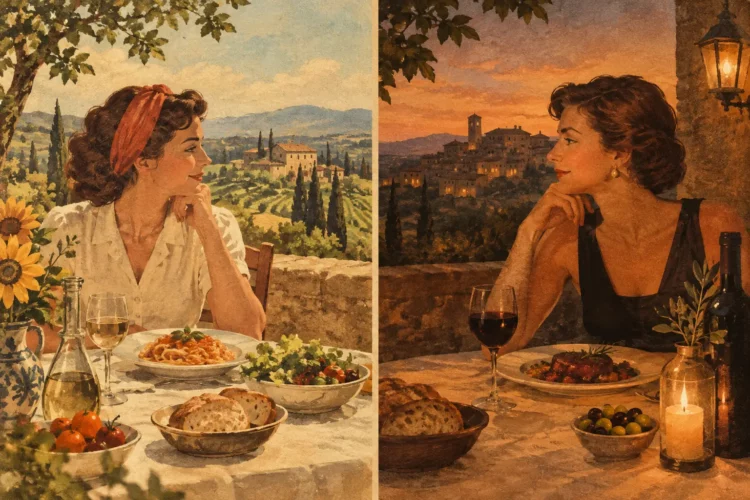
A countryside table does not need excessive decoration. Linen or cotton, water glasses that catch the light, candles for later in the day and a few seasonal stems are enough. Avoid tall floral arrangements that interrupt sightlines. At a family table, people should be able to see one another laugh.
If you are bringing children, a small activity near the table can be useful, but keep it simple. Paper and pencils, a nature-spotting card or a basket of quiet games will serve better than screens. The point is not to programme every moment. It is to give parents the chance to finish a glass of wine while children remain happily occupied nearby.
For a milestone gathering, make space for one personal gesture rather than filling the day with speeches. A few words of welcome, a favourite family photograph or a toast before dessert can be more moving than a formal schedule. The countryside has a way of making such moments feel sincere.
Agree the practical details before the day
The host should not have to answer questions while trying to enjoy the first course. Confirm the final number of guests a few days in advance, including children and babies requiring high chairs. Share the arrival time, exact meeting point, parking advice and a contact number with everyone beforehand.
With the venue, clarify the menu, children’s meals, dietary requirements, the duration of the table reservation and the weather alternative. If someone is bringing a cake or decorations, check the policy first. If you would like a particular wine, ask whether it can be arranged ahead of time. These conversations are not fussy; they are what allow the day itself to feel wonderfully unplanned.
It is also helpful to decide what you will not control. Children may get grass on their clothes. Someone may linger over coffee. The light may be different from the photographs you imagined. None of this diminishes the meal. Often, it is exactly what turns a polished occasion into a real family memory.
Give the afternoon room to unfold
Do not rush from dessert straight into goodbye. Coffee, digestifs and a final walk in the fresh air give a family meal its soft landing. Older guests can remain at the table; children can explore within sight; those who have travelled far can take in the landscape before setting off again.
At Osteria Etrusca, the pleasure of a family gathering lies in this unhurried rhythm: food rooted in Tuscany, open air and the rare luxury of a table that does not ask anyone to hurry. Choose a place that understands hospitality in the same way, then let good ingredients, generous timing and the people around you carry the day.