 By
By A plate of handmade pasta can be excellent anywhere. Yet the memory that stays with us is often larger than the plate: late afternoon light over the hills, the scent of rosemary on warm air, a local wine poured as conversation slows. That is why experiential dining trends are reshaping what discerning travellers look for when they choose a table.
The most meaningful restaurants are no longer judged only by how beautifully they cook. Guests want to feel a connection – to a landscape, a season, a family tradition and the people sharing the meal. Especially on holiday, dining has become a treasured part of the day rather than a necessary pause between plans.
In Tuscany, this feels less like a new idea than a return to something deeply familiar. Food has always belonged to the rhythm of the land, the table and the people around it. The difference is that more travellers are actively seeking out places where that rhythm can be felt.
Experiential dining trends begin with a real sense of place
The strongest dining experiences cannot simply be copied into another postcode. Their character comes from where they are: the produce grown nearby, the view beyond the table, the pace of service and the stories behind the recipes.
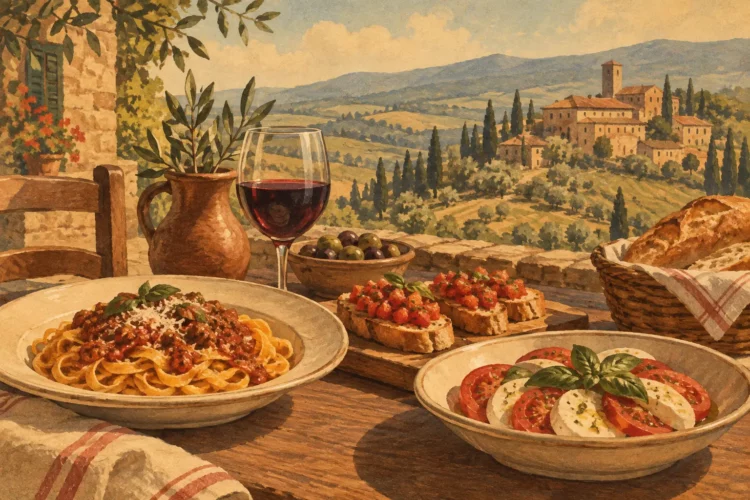
A menu rooted in its surroundings gives guests a delicious way to understand a region. Fresh bread at breakfast, pecorino from a local producer, pasta with wild boar ragù, olive oil with a peppery finish, or a dessert made in-house all say something about Tuscany without turning dinner into a lesson.
This matters because travellers are increasingly wary of the interchangeable. A polished room and familiar Italian dishes may be pleasant, but they do not necessarily create a memory. A meal becomes distinctive when it feels truthful to its setting.
For restaurants, this does not mean treating every ingredient as a performance. Authenticity is quieter than that. It might be a seasonal menu that changes because the market changes, a wine list that makes room for nearby vineyards, or a waiter who can explain why a dish belongs on the table at this time of year.
The landscape is part of the table
There is a growing appetite for outdoor dining that is about more than having a terrace. Guests want space to breathe, views worth lingering over and an atmosphere that invites them to put their phones aside for a while.
A generous patio overlooking the Tuscan countryside changes the tempo of a meal. Lunch can stretch gently into the afternoon. Children have room to be children. Couples can enjoy a glass of wine as the light changes. The setting does not replace good cooking, of course, but it gives good cooking a fuller stage.
At Osteria Etrusca, the connection between table and landscape is part of the invitation. The experience is not about rushing through a checklist of regional dishes. It is about settling into the pleasure of being here.
From spectacle to participation
Some experiential dining trends favour theatre: dramatic plating, projection-mapped tables or elaborate tasting rituals. These can be exciting, particularly for a special occasion. But spectacle is not always the same as hospitality.
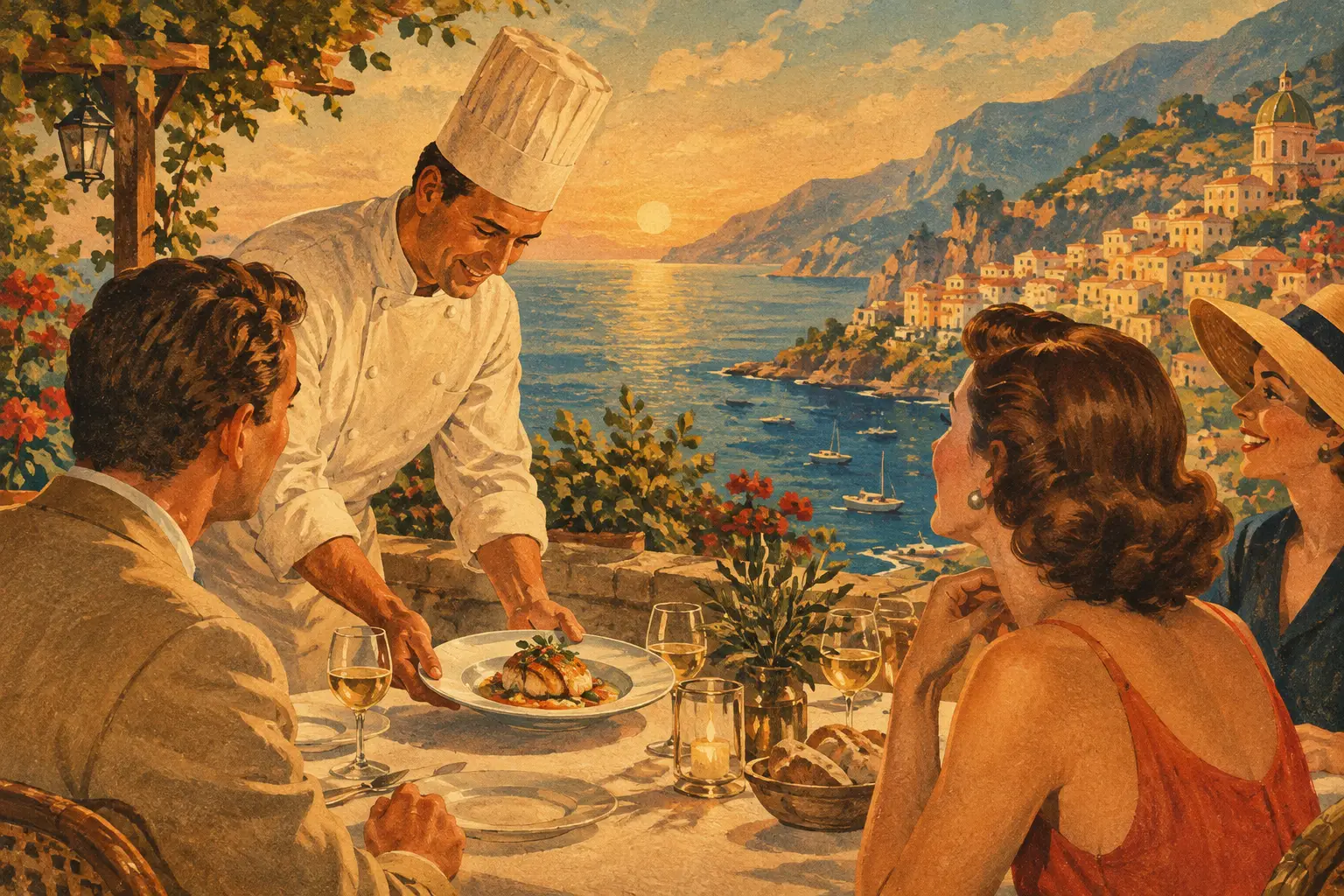
Many guests now prefer experiences that feel personal rather than programmed. They enjoy watching pasta being prepared, tasting an unfamiliar local wine with guidance, or choosing dishes meant to be placed in the middle of the table and shared. Participation works best when it leaves room for ease.
The distinction matters for families and for travellers who have spent a day exploring. After walking through hill towns or driving country roads, not everyone wants a three-hour production with instructions at every course. They may want a beautiful meal, warm service and the freedom to linger or keep things simple.
The most successful restaurants offer both possibilities. A relaxed lunch can be spontaneous, while a long dinner can become a celebration. The experience should adapt to the guest, not ask the guest to perform for it.
All-day dining is becoming part of the journey
Another important shift is the movement away from the idea that a restaurant exists only for dinner. Travellers increasingly look for places that accompany the whole day: coffee and fresh pastries in the morning, an unhurried lunch, an aperitivo before sunset, and dinner when the hills grow quiet.
This is especially valuable outside busy city centres, where the right restaurant can become a destination in itself. Rather than squeezing every meal between sightseeing appointments, guests can build part of their day around a place that feels restorative.
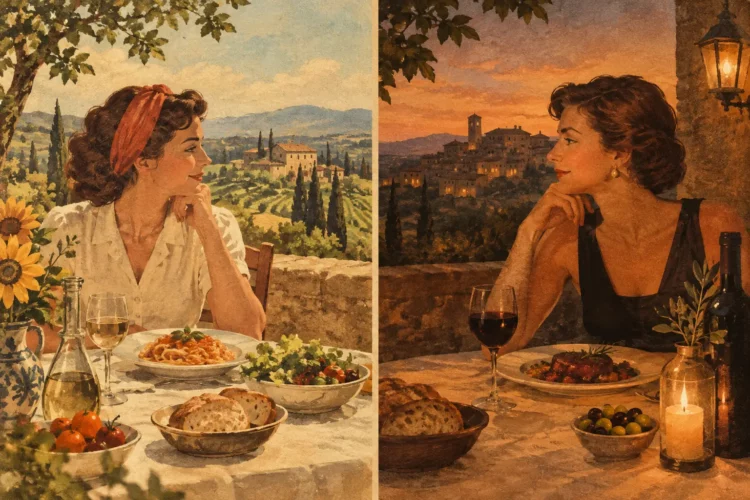
All-day hospitality also creates different kinds of memories. Morning coffee has a lighter, more private mood. Lunch is bright and sociable. Dinner brings candles, deeper conversation and the pleasure of choosing a bottle to share. One setting can feel new at each hour, while keeping the same welcome.
For the restaurant, this approach requires care. Quality must hold from the first espresso to the final dessert, and the menu needs enough range to suit different appetites without losing its identity. Done well, it makes the guest feel looked after rather than processed.
Seasonality is no longer a footnote
Guests are becoming more curious about when food is at its best, not only where it comes from. A seasonal menu offers a simple pleasure: it gives people a reason to return and lets the kitchen cook with confidence rather than compromise.
In spring, the table may feel greener and lighter. Summer calls for ripe tomatoes, chilled wines and meals that suit a long evening outside. Autumn brings mushrooms, game, chestnuts and richer sauces. Winter has its own comfort in slow-cooked meats, soups and desserts enjoyed at a slower pace.
Seasonality is not a marketing phrase when it is visible on the plate. It is a promise that the kitchen is listening to its surroundings. It can also make the dining experience more generous, because ingredients picked or sourced at the right moment need less intervention to taste wonderful.
There is a practical trade-off. Guests sometimes arrive hoping for a dish they saw months earlier, while a truly seasonal restaurant may no longer serve it. Clear menus and warm recommendations are the answer. The replacement should feel like an invitation to taste what is best now, not a disappointment.
Shared tables, slower meals and the value of time
The desire for connection sits at the heart of these changes. After years in which convenience often won, people are choosing occasions that ask them to stay a little longer. A shared antipasto, bowls of pasta passed across the table and a dessert ordered for everyone can make a meal feel more generous than individual courses alone.
This does not mean every guest wants formality. In fact, the appeal often lies in the opposite: an elegant but relaxed setting where good ingredients and thoughtful service make people comfortable enough to be themselves.
For couples, that might mean a quiet corner and a bottle chosen together. For families, it may mean a menu with familiar pleasures alongside regional dishes worth trying. For groups of friends, it is the chance to eat slowly, toast often and let the evening find its own pace.
The trend is not simply towards longer meals. It is towards meals that feel worth the time they take.
What makes an experience genuinely memorable?
A memorable meal is rarely built from one dramatic moment. It comes from details that work together: a welcome that feels sincere, bread served warm, a recommendation that suits the mood, ingredients with a clear sense of origin and a setting that gives everyone permission to relax.
Technology has a supporting role here. Easy reservations, clear opening hours and thoughtful communication help guests plan with confidence. But once they arrive, hospitality should feel human. The best experience is one where the practical details disappear and attention returns to the people at the table.
For travellers choosing where to eat in Tuscany, the question is not only, “What is on the menu?” Ask what kind of afternoon or evening you hope to remember. If the answer includes local flavour, open skies, unhurried conversation and food made with care, choose a table that gives all of those things room to happen.