 By
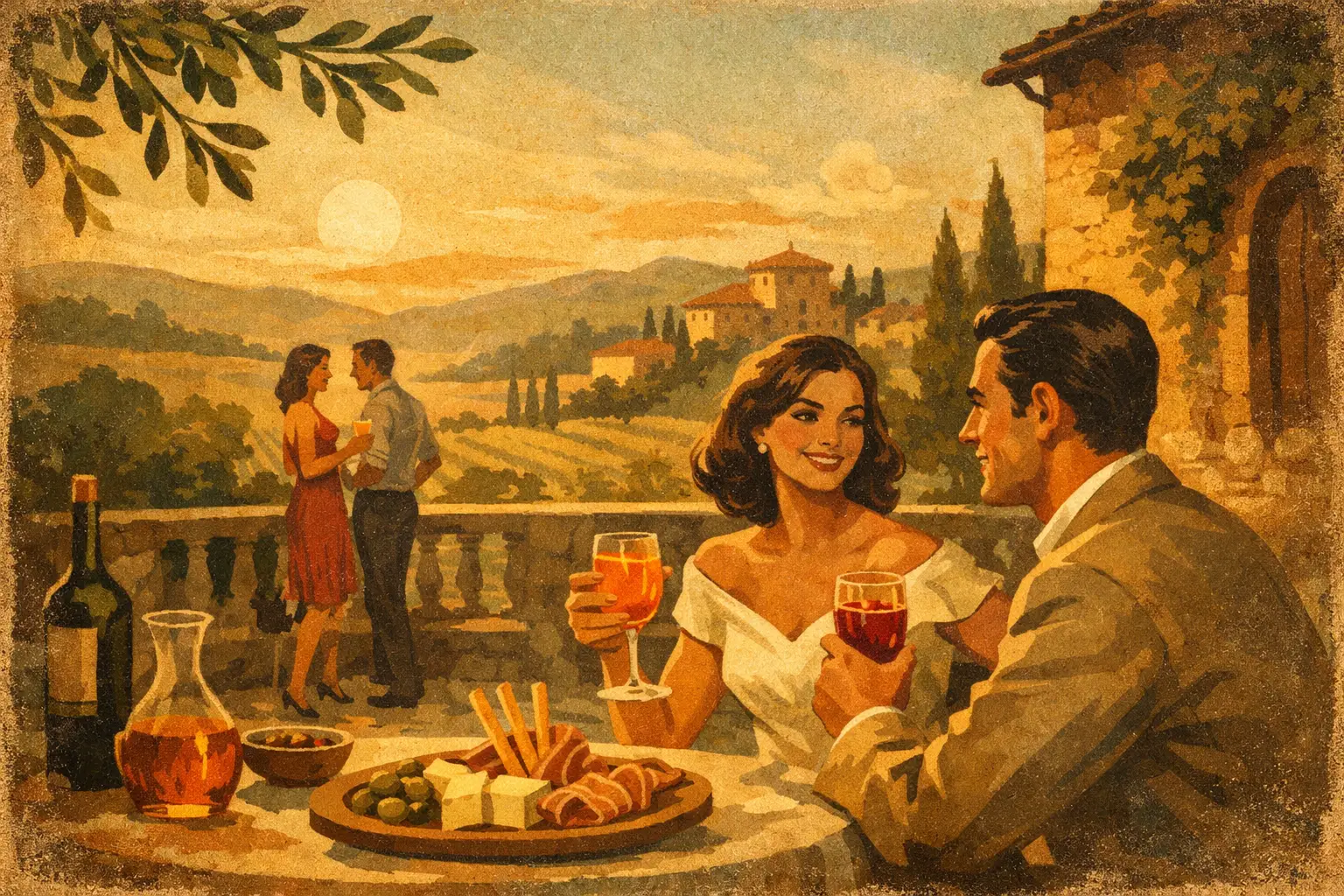
By The first clink of glasses often arrives when the Tuscan light begins to soften – long before dinner, and without any need to hurry. This guide to Tuscan aperitivo culture is about understanding that small but meaningful pause: a moment for a bitter-sweet drink, something savoury from the kitchen, good conversation and the pleasure of looking out across the landscape as the day changes colour.
Aperitivo is sometimes mistaken for a pre-dinner happy hour. In Tuscany, it can be far more considered than that. It is an invitation to slow down, to awaken the appetite rather than silence it, and to make room for the people at the table. Whether you are staying in the countryside near Volterra or spending the evening in a historic town, knowing the rhythm of aperitivo will make dinner feel even more special.
What aperitivo means in Tuscany
The word aperitivo comes from the idea of opening: opening the appetite, certainly, but also opening the evening. It usually takes place in the early evening, often from around 6pm to 8pm, before Italians sit down for dinner later than many British visitors expect.
This is not traditionally a substitute for supper. A well-made aperitivo should leave you pleasantly hungry, not too full to enjoy a plate of pasta, grilled meat or a seasonal dessert afterwards. That distinction matters. Some larger venues offer generous buffets, especially in cities, but the Tuscan countryside tends to favour a more relaxed, ingredient-led version: a beautiful drink, a few thoughtful bites and time to enjoy them.
There is no performance required. You do not need to know every Italian drink or order with theatrical confidence. Aperitivo is at its best when it feels natural – an easy beginning to an evening that may stretch, deliciously, into the night.
A guide to Tuscan aperitivo culture: the drinks
Aperitivo has a reputation for bright orange spritzes, and an Aperol Spritz certainly has its place. Its gentle bitterness, prosecco and sparkling water make it refreshing in warm weather. But Tuscany offers a wider, more local conversation in the glass.
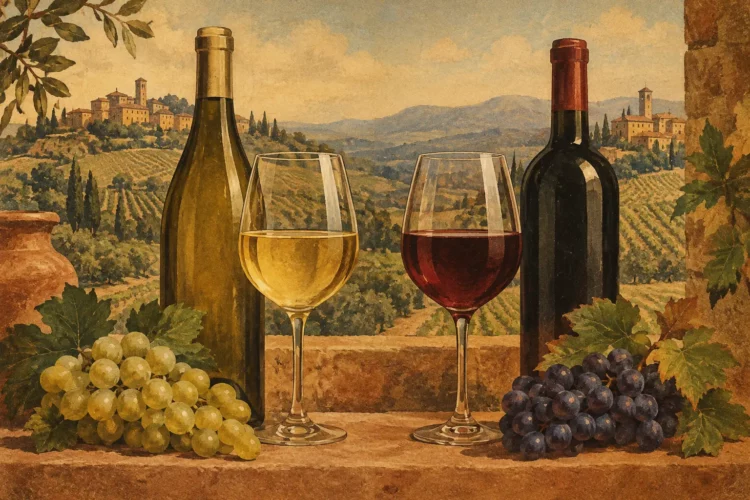
A chilled glass of Tuscan sparkling wine is a graceful choice, particularly as an aperitivo becomes an occasion. Dry white wine can be equally fitting, especially when served with lighter snacks or on a hot afternoon that has quietly become evening. In wine country, asking for a local white, rosé or sparkling pour is often more rewarding than automatically choosing the same drink you order at home.
Then there are the bitter, aromatic classics. A Negroni, built from gin, sweet vermouth and bitter aperitif, is fuller and more spirited than a spritz. It suits those who enjoy a drink with structure and herbal depth, but its strength means it is best savoured slowly. A Negroni Sbagliato replaces gin with sparkling wine, creating a softer, more celebratory alternative.
Vermouth deserves particular attention. Italy’s historic aromatised wines can be served over ice with a twist of citrus, offering complex notes of herbs, spices and orange peel. Their balance of sweetness and bitterness is made for food. If you prefer something lighter, a simple glass of sparkling water with citrus, a non-alcoholic bitter aperitif or a fresh fruit drink is entirely in keeping with the occasion. Aperitivo is about the ritual, not the alcohol.
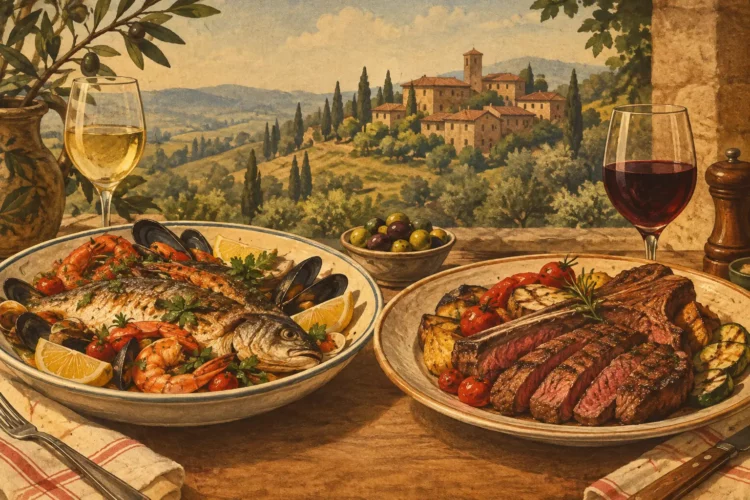
The right choice depends on the weather, what you plan to eat and your own palate. On a balmy evening, a crisp spritz or local white may feel perfect. Before a rich dinner of wild boar ragù or grilled steak, the clean bitterness of a Negroni or vermouth can make a beautiful contrast.
What arrives on the table
The food served with aperitivo is often called stuzzichini – little temptations. Their purpose is not to distract from the drink, but to give it shape. Expect olives, salted almonds, bread, small crostini, local cheeses and cured meats, depending on the setting and season.
In Tuscany, simple ingredients carry the moment. A slice of toasted bread with olive oil and a topping of tomato, beans or chicken liver can be more memorable than an elaborate plate. Pecorino, perhaps served with honey or a spoonful of fruit preserve, offers the salty-sweet contrast that belongs so naturally beside wine. Thinly sliced salumi bring depth, while seasonal vegetables may appear grilled, marinated or folded into a small savoury bite.
Quality matters more than quantity. Fresh bread, good olive oil, a ripe tomato, cheese from a nearby producer: this is the quiet luxury of a Tuscan table. If you have dietary requirements, ask early and simply. Many kitchens can suggest suitable choices, particularly when there is time to prepare something with care.
Timing is part of the pleasure
For visitors accustomed to eating early, aperitivo offers a useful bridge between a day of travelling, swimming or exploring and a later Tuscan dinner. Arrive with enough time to settle in. The best aperitivo is rarely rushed in twenty minutes between one plan and the next.
A countryside setting changes the experience. In town, you may stand at a bar for one quick drink before moving on. On a terrace surrounded by open views, the same ritual asks for a slower pace. Watch the last warmth leave the stone, listen as conversation rises around neighbouring tables and let a drink last as long as it should.
This is one reason aperitivo works so well for couples, families and friends travelling together. It creates a gentle gathering point. Children can have a juice or soft drink and share a few snacks; adults can choose wine or an aperitif without the evening becoming overly formal. The occasion is sociable, but it does not demand anything from you except presence.
How to order with ease
There is no strict script, but a little awareness goes a long way. If you are unsure what to choose, tell your host whether you prefer something dry, bitter, sparkling or non-alcoholic. Ask what is local, and ask what pairs well with the kitchen’s aperitivo selection that day. This opens the door to a more personal recommendation than ordering from habit.
If dinner is planned, consider sharing a modest plate rather than ordering enough food to replace it. A few crostini, cheese and olives are ideal. If you are genuinely hungry after a long drive or an active day, it is perfectly reasonable to choose more substantial snacks – just be aware that Tuscan dinner may be worth saving room for.
One practical point is often overlooked: Italy’s countryside rewards a designated driver. A Negroni or two local wines are best enjoyed when you do not need to take the wheel afterwards. Staying nearby, arranging transport or choosing a non-alcoholic aperitivo can make the evening more relaxed for everyone.
The difference between a drink and an aperitivo
You can drink a spritz almost anywhere. Aperitivo begins when the drink is joined by hospitality: a table prepared with care, food worth passing around, a view or room that encourages you to linger, and the sense that the evening has properly begun.
At Osteria Etrusca, that spirit belongs naturally to the hours when the patio opens onto the great Tuscan views. A glass of wine, a small plate shaped by the region and the company you arrived with can be enough. There is no need to fill every silence or rush towards the next course.
Let aperitivo set the pace for the rest of your evening. Choose what tastes good, share what is on the table, and leave a little space for dinner, for conversation and for the quiet beauty that appears after the sun has gone down.