 By
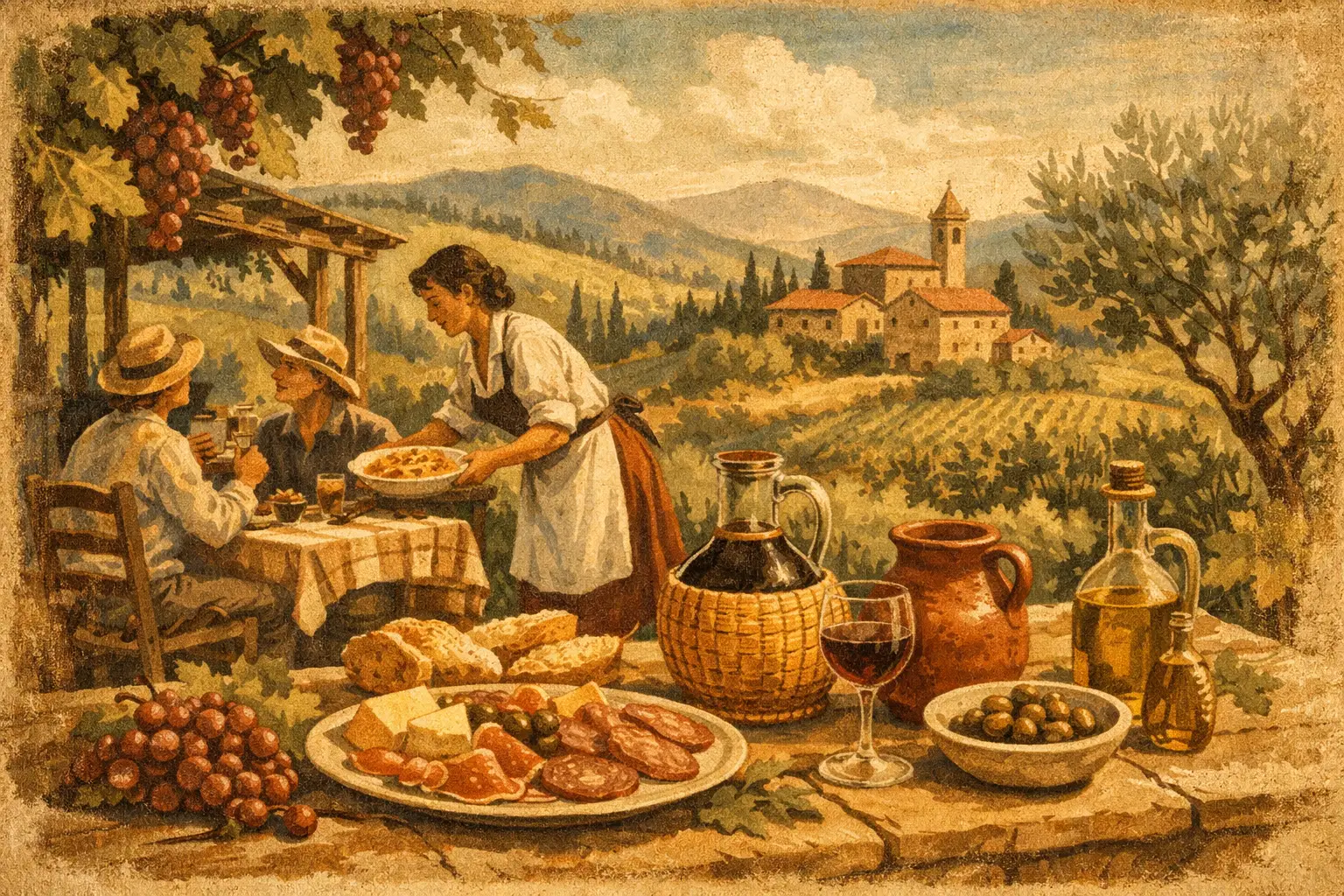
By A plate of wild boar pappardelle tastes different when the air is warm, the hills are quiet, and lunch is allowed to stretch into the afternoon. That is the heart of an authentic Tuscan food experience – not only what is served, but where, how, and with whom it is enjoyed.
Many visitors arrive in Tuscany looking for a famous dish and leave remembering something far more complete. They remember olive oil with fresh bread at the start of the table. A glass of local red catching the late light. The unhurried rhythm of a meal that seems to belong exactly to the landscape around it. In Tuscany, food is rarely separated from place. It is part of the countryside, the season, the family table, and the long tradition of making simple ingredients feel abundant.
What an authentic Tuscan food experience really means
Authenticity in Tuscany is not about formality or show. In fact, it usually looks quite the opposite. The most memorable meals are often rooted in restraint, confidence and respect for ingredients. A good tomato is left to taste like a tomato. Bread has structure and character. Pasta carries the sauce rather than disappearing under it.
This matters because Tuscan cooking has always been shaped by the land. It is a cuisine built on olive groves, vineyards, woods, fields, and farms. The food reflects what grows well, what is preserved carefully, and what generations have learned to cook without waste. That is why an authentic meal here feels grounded rather than decorative.
For travellers, there is sometimes a gap between the idea of Tuscany and the reality of Tuscan food. Many expect every menu to be heavy, lavish and endlessly rustic. Some of it is. But real Tuscan cooking also knows balance. A breakfast of fresh pastries and proper Italian coffee can be as much a part of the regional story as a slow dinner with grilled meat and red wine. The full experience lives across the day.
The ingredients come first
If there is one reliable sign of an authentic Tuscan food experience, it is the quality of the ingredients before anything else has been done to them. Seasonal vegetables, local cheeses, cured meats, fragrant olive oil, game, fresh herbs and flour used with care all set the tone.
Tuscany does not need excessive complexity to impress. The cuisine is strongest when ingredients are allowed their own voice. A bowl of handmade pasta becomes memorable because the ragù is rich without being overworked. A dessert stays with you because it tastes homemade, not manufactured for effect.
There is also a practical reason for this simplicity. Regional cooking developed around what was nearby and available. Even today, menus that feel most truthful tend to follow the season rather than trying to offer everything all the time. That means what feels authentic in spring may look different from what feels authentic in autumn. Both can be entirely genuine.
Why seasonality changes the meal
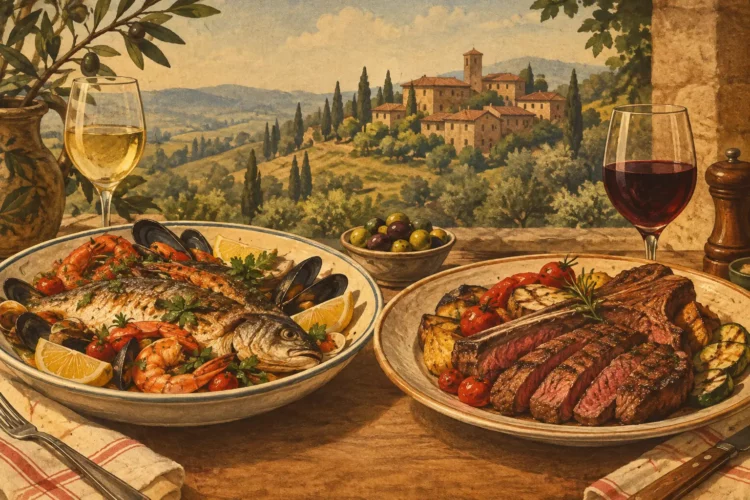
Seasonality is not a fashionable extra in Tuscany. It is part of the structure of the cuisine. In cooler months, dishes turn deeper and more warming, with slow-cooked meats, game sauces and heartier preparations. In warmer weather, the table often feels lighter, brighter and more open to long lunches with vegetables, local wines and simple desserts.
For guests, this creates a better kind of anticipation. Instead of expecting a fixed checklist, it is worth letting the season guide the meal. That flexibility is often where the real pleasure begins.
The setting is not secondary
A true Tuscan meal rarely feels cut off from its surroundings. Even indoors, there is usually a sense that the landscape is close – through the window, in the light, in the produce, in the pace of service. When you dine in the countryside, this connection becomes even stronger.
That is one reason busy urban dining does not always deliver the same feeling, even with very good cooking. In a crowded street, meals can become transactional. In a quieter setting, food has space to breathe. You notice the wine more. The bread arrives warm and seems to belong there. Conversation slows down. The meal becomes part of the day, not a break from it.
For guests seeking beauty as well as quality, the environment matters. An open view, fresh air, and the calm of nature do not replace good cooking, but they deepen it. They let the senses work together. This is where hospitality becomes something richer than service.
A day well spent is part of the authentic Tuscan food experience
One of the loveliest mistakes visitors make is treating Tuscan dining as a single evening event. In reality, the experience often unfolds best across breakfast, lunch and dinner, each with its own mood.
Morning invites softness – coffee with fresh pastries, something warm from the oven, the quiet promise of a long day ahead. Lunch belongs to sunlight, local wine, handmade pasta, perhaps a board of regional specialities shared slowly. Dinner settles into something deeper and more intimate, with richer dishes, grilled meats, sauces with character and desserts that ask you to stay a little longer.
There is no need to rush between these moments. The pleasure comes from allowing each one its place. For couples, this can feel romantic without trying too hard. For families, it offers ease and generosity rather than rigid ceremony. For travellers who are tired of crowded itineraries, it can be the most restorative part of a holiday.
The role of wine, coffee and bread
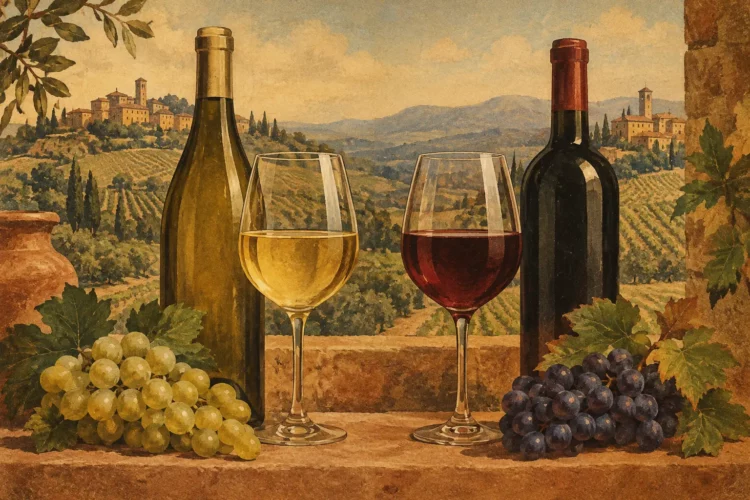
Small details often reveal more than elaborate ones. In Tuscany, wine is not only for pairing in a formal sense. It is woven naturally into the meal, particularly when it is local and chosen to suit both the dish and the mood. Good coffee matters too, especially earlier in the day when it helps set the tone for everything that follows.
Then there is bread, which deserves more respect than it often gets. Tuscan bread has its own identity and purpose. It sits comfortably alongside oils, meats and sauces, becoming part of the meal’s texture and rhythm. In a genuinely thoughtful kitchen, these details are never afterthoughts.
Tradition matters, but so does care
Some travellers worry that the word authentic means old-fashioned in the least appealing way. It does not have to. Authenticity is not about preserving a meal in amber. It is about holding on to the values that make the cuisine worth travelling for in the first place.
That means recipes with regional roots, yes, but also warmth, generosity and confidence. It means understanding why a dish belongs on the table. It means preparing food with enough care that simplicity feels elegant rather than plain.
There is also room for refinement. A beautiful setting, thoughtful presentation and polished hospitality do not make a Tuscan meal less real. If anything, they can reveal the ingredients and traditions more clearly. The trade-off comes when style starts to overpower substance. Once a meal is more interested in looking Tuscan than tasting honest, something essential is lost.
How to recognise the real thing
If you are choosing where to eat, the best signs are often subtle. Look for a menu that feels rooted rather than generic. Notice whether the dishes reflect the region instead of trying to satisfy every possible expectation. Pay attention to whether the atmosphere invites you to settle in, or gently pushes you to move on.
The right place usually offers more than food. It offers a sense of welcome. You feel hosted, not processed. The surroundings support the meal. The ingredients make sense. The experience feels coherent from the first coffee to the final dessert.
This is where a countryside restaurant can become memorable in a way that a fashionable city spot often cannot. Near Volterra, for instance, the landscape naturally shapes the mood of the table. At Osteria Etrusca, that connection between local cuisine, nature and the unhurried pleasure of eating well is very much the point.
Why people remember Tuscany through taste
Long after a trip ends, people rarely describe only one dish. They describe a lunch that became an afternoon, a terrace filled with light, the scent of coffee, a bottle of wine shared at the right pace, the comfort of food that felt both humble and deeply considered. Memory gathers the whole scene.
That is why an authentic Tuscan food experience stays with people. It answers a hunger that goes beyond appetite. It offers beauty without fuss, quality without pretence, and the gentle luxury of feeling exactly where you are.
If you are looking for the real flavour of Tuscany, choose the table that lets you slow down enough to taste it.