 By
By A first coffee arrives while the morning is still cool, its fragrance lifting into the air as the Tuscan hills begin to warm. This is the rhythm guests remember. Authentic Italian hospitality in Tuscany is rarely about one grand gesture. It is the quiet pleasure of being welcomed properly, fed generously and given enough time to enjoy both the table and the landscape around it.
For those travelling beyond the busy streets of Florence, Siena or Pisa, Tuscany offers a different kind of luxury: space, calm and a meal that does not ask you to hurry. Near Volterra, the experience becomes especially meaningful. Ancient history, wild countryside and a deep respect for seasonal food meet in a setting made for long conversations and lingering afternoons.
What authentic Italian hospitality in Tuscany really means
Authenticity is often used too easily. In a restaurant, it is not created by a red-and-white tablecloth or a menu filled with familiar names. It begins with a genuine relationship to place: ingredients chosen because they belong to the season, recipes prepared with care rather than performance, and hosts who understand that a guest should feel looked after without ever feeling rushed.
In Tuscany, hospitality has traditionally grown around the table. Food is not simply ordered and served. It is shared, discussed, remembered. A bowl of pasta, a bottle from a nearby vineyard or a homemade dessert can hold the story of the land, the weather and the people who prepared it.
That does not mean every meal needs to be formal or elaborate. Some of the most memorable moments are beautifully simple: fresh bread in the morning, a plate of cured meats at lunch, or a late dinner under an open sky. The detail lies in the quality of what is offered and the ease with which it is offered.
The pleasure of eating with the day, not against it
A true Tuscan day is not built around a single meal. It unfolds gradually, and each moment at the table has its own character.
Breakfast is gentle and restorative. It may begin with Italian coffee, still-warm pastries and the kind of unhurried quiet that feels rare after a busy journey. For families, it is a relaxed start before a day of exploring. For couples, it can be the first pause of the holiday, when there is nowhere else to be.
Lunch often carries the greatest sense of ease. The sunlight is higher, the wine feels well deserved, and the menu can lean into local generosity. Fresh pasta, seasonal vegetables, carefully prepared meats and regional specialities make lunch a reason to stay a little longer. A well-paced lunch is not lost time. It is part of the reason to come to Tuscany in the first place.
Dinner changes the mood again. As the heat softens and the landscape turns golden, flavours become warmer and more comforting. Pasta with wild game, a well-cooked cut of meat and a local red wine suit the evening naturally. There is a difference between dining late because a reservation dictates it and dining slowly because the setting makes it feel right.
An all-day kitchen matters because holidays do not always follow a perfect timetable. A family may return later than planned after visiting a hill town. A couple may want an early supper before sunset. Guests should be able to shape the day around their own pace, while knowing there is a proper table waiting for them.
Local ingredients are a form of welcome
The best regional cooking does not need to be complicated to feel special. It depends on ingredients with character and on the confidence to let them speak for themselves. Tuscany has both in abundance: fragrant olive oil, vegetables that change with the season, hearty game, artisan cheeses, rustic breads and wines with a clear sense of origin.
A plate of handmade-style pasta with wild boar ragù, for example, is more than a Tuscan classic. When prepared with balance, it brings together the richness of the countryside, the patience of slow cooking and the simple satisfaction of a dish made for sharing. The same is true of a dessert made in-house. It may be familiar in form, but its freshness and care turn it into the last, lovely note of a meal.
There is a useful distinction here. Local does not mean limiting every choice to a narrow tradition, and traditional does not mean refusing refinement. The most welcoming kitchens respect the dishes people love while cooking them with good judgement. A menu should feel rooted, not rigid.
For guests, this approach makes choosing easier. Rather than searching for a long list of fashionable dishes, they can trust that the food belongs to the place they came to experience.
Wine should invite conversation, not intimidate
Tuscan wine deserves attention, but never ceremony for its own sake. A thoughtful bottle can bring out the savoury depth of game, complement grilled meat or make a relaxed lunch feel more celebratory. Yet the right choice depends on the moment.
A structured red may be perfect for a long evening meal, while a lighter, fresher option can suit lunch in the sun. Guests who know wine well may enjoy discussing producers and vintages. Others simply want a kind recommendation. Both deserve the same warmth. Good hospitality meets people where they are.
Why the setting changes the meal
It is possible to eat excellent Tuscan food in a city centre. But a meal in the countryside offers something else: the chance to sense where the cuisine comes from. Wide views, birdsong, olive trees and the changing light make the meal feel connected to a larger day rather than separated from it.
This matters particularly for visitors who have spent hours driving, sightseeing or navigating crowded attractions. A spacious terrace offers release. Children have room to breathe. Adults can settle into a glass of wine without watching the clock. The landscape becomes part of the conversation.
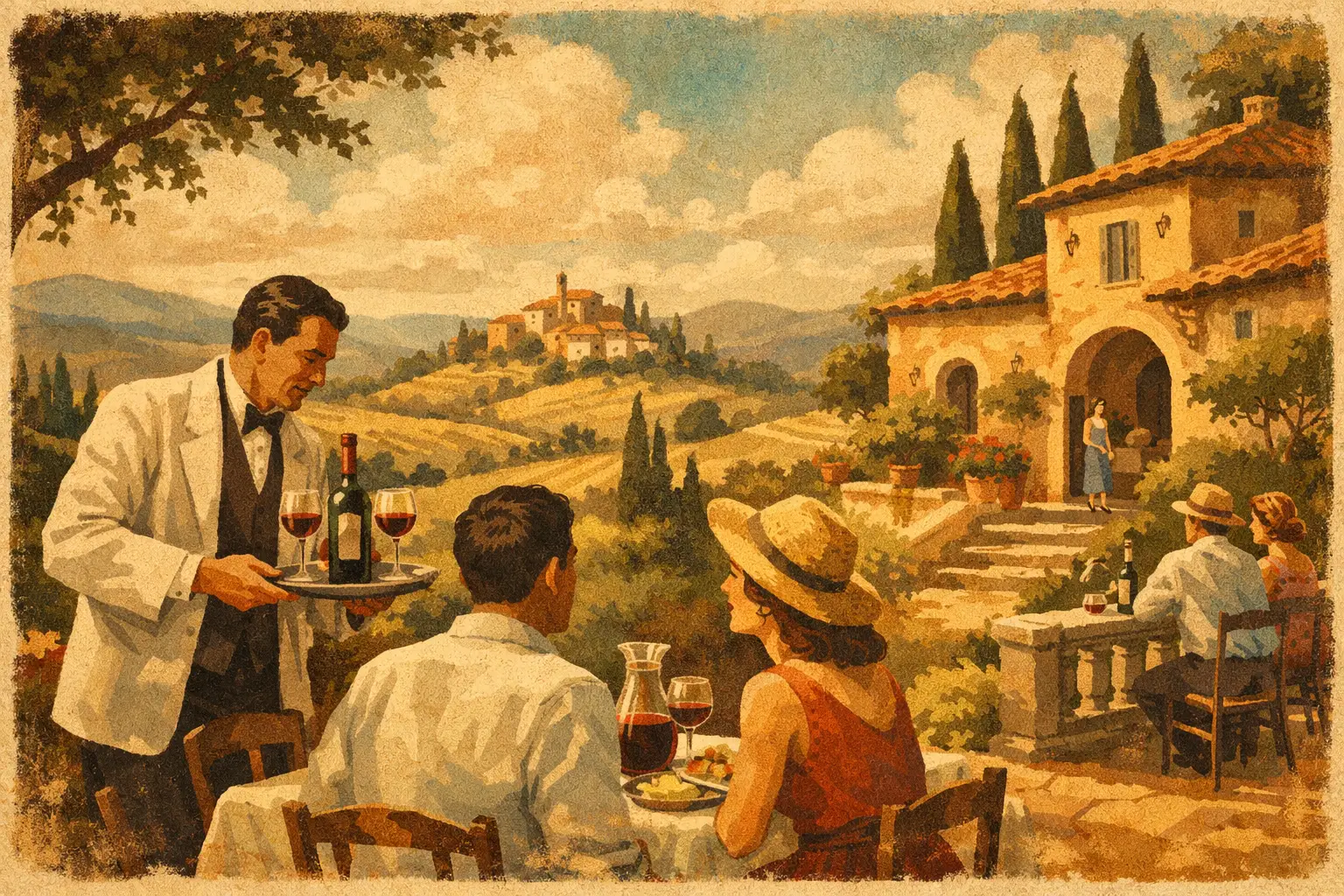
At Osteria Etrusca, the patio is not merely an outdoor dining area. It is an invitation to slow down in one of Tuscany’s most generous panoramas, with the food and the view given equal importance. That balance is what transforms a pleasant meal into a memory guests carry home.
Of course, the countryside experience is not identical in every season. Summer evenings bring warm air and long shadows, while spring and autumn often offer softer light and cooler temperatures that make lunch outdoors especially inviting. Even a grey day has its own appeal when the table is welcoming and the room feels calm. The point is not to chase a postcard. It is to enjoy Tuscany as it is, on the day you are there.
How to choose a genuinely welcoming Tuscan restaurant
When planning a meal away from the main tourist routes, look beyond polished photographs. A good restaurant makes its identity clear through the details: a menu that respects local ingredients, service that feels attentive rather than rehearsed, and a setting that lets guests relax.
Consider the time of day you want to eat. If you are arriving after a morning of sightseeing, choose somewhere that can offer a proper lunch rather than a hurried stop. If you are travelling with children, comfort and space may matter as much as the wine list. If you are celebrating, reserve for the time when the evening light will make the occasion feel even more personal.
It is also worth leaving room for appetite and curiosity. The dish you planned to order may give way to a seasonal special suggested at the table. That small flexibility is often where the best holiday meals begin.
Make time for the table
The most rewarding Tuscan experiences cannot be compressed into an itinerary. They ask for an afternoon without urgent plans, a dinner that extends beyond dessert, or simply the decision to take the scenic road and stop where the countryside feels most inviting.
Choose a table with a view if you can. Ask what is freshest that day. Share a bottle, save room for dessert and let the conversation take its natural course. In Tuscany, hospitality is at its finest when it gives you permission to do less, taste more and leave feeling that the day was well spent.