 By
By The first clue is rarely on the plate. It is in the pace of the room, the scent of bread or roasting meat, the way a table is set for lingering rather than turning over quickly, and the feeling that lunch may stretch gently into late afternoon. A true slow food Tuscany restaurant is not simply a place that serves local dishes. It is a place where time, landscape and appetite are allowed to meet properly.
That matters even more in Tuscany, where the most memorable meals are often found away from the busiest streets and closest to the land itself. If you are planning a holiday built around beauty, ease and good eating, choosing well can change the shape of your day. A rushed meal fills a gap. The right restaurant becomes part of the reason you came.
What a slow food Tuscany restaurant really offers
Slow food is sometimes mistaken for a style of service that is merely slower, or for a menu that leans rustic. In reality, it is about care. Ingredients are chosen for origin and season rather than convenience. Recipes respect tradition without feeling stiff. Wine, olive oil, vegetables, meat and flour all carry a sense of place.
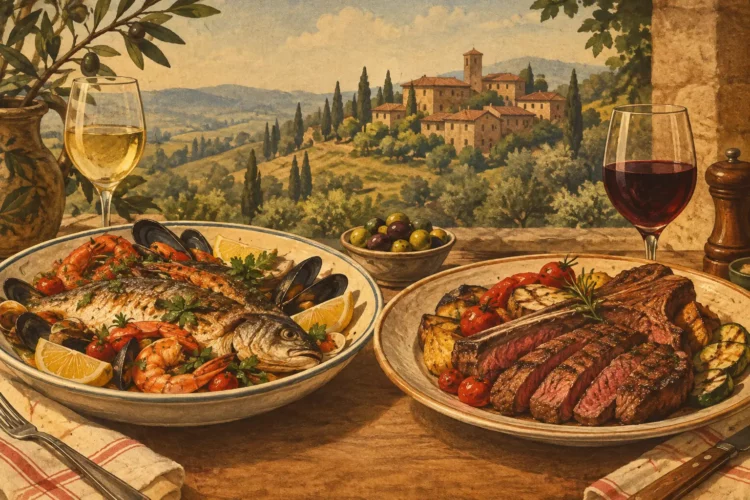
In Tuscany, that often means menus shaped by what the surrounding countryside gives best. You may find handmade pasta with wild boar ragù, soups rich with beans and local greens, grilled meats cooked simply, pecorino with honey or preserves, and desserts that feel homemade in the best way. None of this needs to be theatrical. The pleasure comes from clarity, balance and confidence.
The setting matters too. A restaurant can speak about local sourcing and still feel detached from the region around it. The stronger experience is one where the view, the air, the light and the rhythm of the meal belong together. A quiet table in the open countryside can tell you more about Tuscany than a crowded room in a tourist corridor ever will.
Why the setting changes the meal
People often choose a restaurant by menu alone, but in Tuscany that is only part of the picture. The most satisfying meals here are rarely just about what arrives on the plate. They are about the full shape of the experience: the road that leads you there, the sense of arrival, the space to settle, and the atmosphere that invites you to stay a little longer.
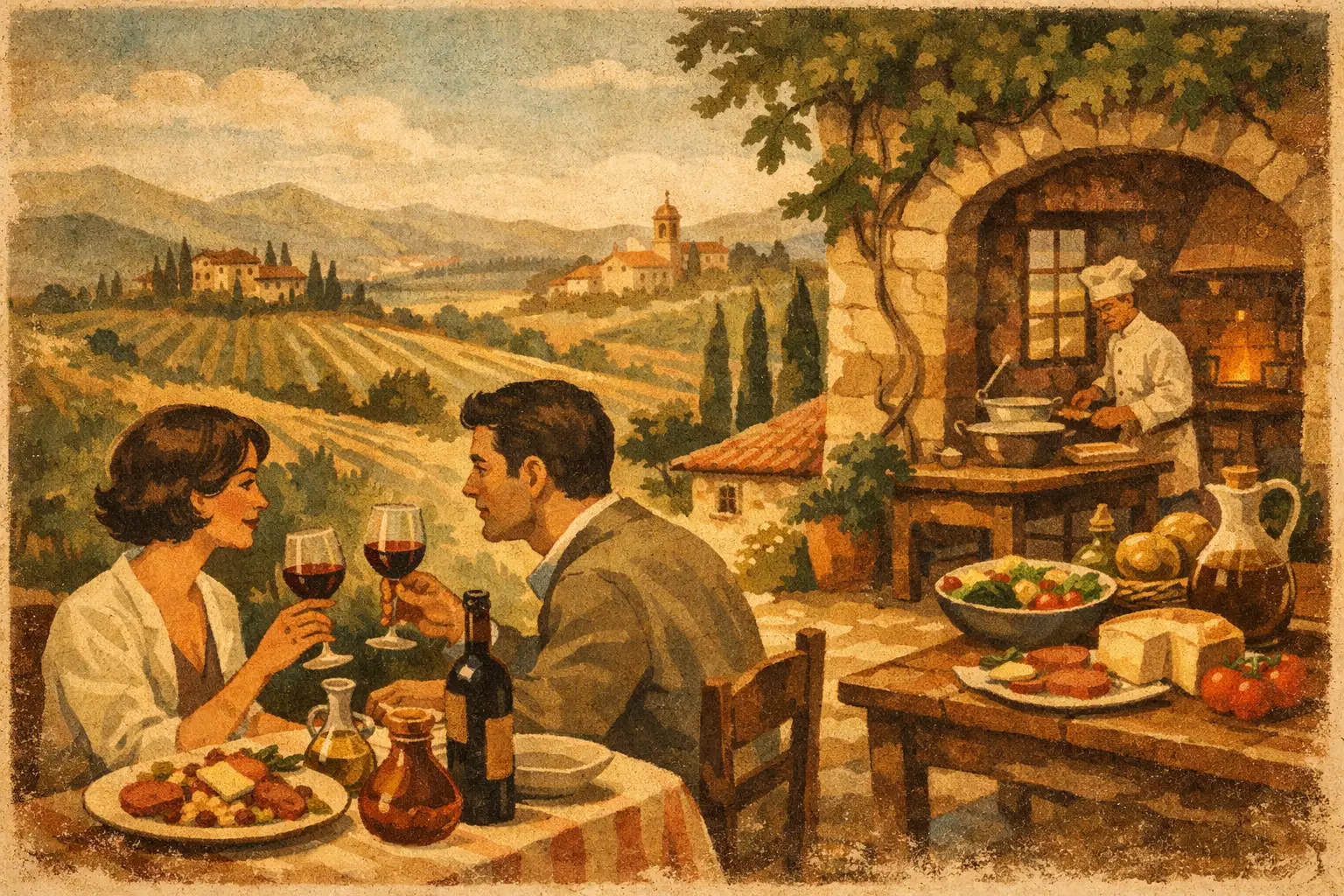
This is where many travellers feel the difference between eating in Tuscany and truly feeling at ease in Tuscany. A generous terrace, open skies and a landscape that softens the edges of the day can turn breakfast into a slow beginning or dinner into the kind of evening that nobody wants to end. For couples, that means romance without performance. For families, it means enough room to relax. For guests seeking something more refined, it means beauty that does not need to announce itself loudly.
There is a practical side to this as well. A quieter setting often allows a kitchen to cook with more focus and consistency. It can also mean less pressure to rush guests through service. That does not automatically guarantee quality, of course, but it often creates the conditions for a better meal.
How to recognise real local character
A good slow food Tuscany restaurant does not need an overlong explanation of authenticity. You can usually read it between the lines. The menu changes with the season. Local wines are treated with pride rather than added as an afterthought. Regional dishes are present because they belong there, not because they photograph well.
Look for a sense of restraint. If a menu tries to be everything at once, it may be trying to please everyone. The stronger restaurants know what region they are in and cook accordingly. That could mean fewer choices, but better ones. It could also mean that not every dish is available every day. For guests used to highly standardised dining, that can seem inconvenient at first. In reality, it is often a sign that the kitchen is buying and preparing with intention.
Bread, olive oil and coffee are small but telling details. In a place that values the whole experience, these are not treated carelessly. Fresh baking, good olive oil and properly made Italian coffee say a great deal about standards before the main course even arrives.
The menu should follow the day, not fight it
One of the loveliest things about eating in Tuscany is that the day has its own culinary rhythm. A strong restaurant respects that rhythm. Breakfast should feel calm and generous, lunch satisfying without heaviness, and dinner warm, grounded and a little indulgent. If a place offers food throughout the day, the transition between those moments should feel natural.
That matters for travellers especially. Some guests want a slow morning with pastries and coffee, others arrive for a late lunch after exploring nearby hill towns, and many look for an evening meal that feels worth dressing for while still remaining relaxed. The best restaurants understand these different moods and shape their offer accordingly.
This is one reason all-day hospitality can be so appealing. Rather than being tied to a narrow service window, guests can let the day unfold. The restaurant becomes part of the holiday pace, not a timetable to manage.
Slow food in Tuscany is not about formality
There is a common assumption that a meaningful food experience must also be solemn or overly refined. In Tuscany, that is rarely the point. A truly memorable table feels welcoming first. Elegance comes from ease, from ingredients with integrity, from thoughtful service and from surroundings that allow people to relax into the moment.
That is good news for a wide range of guests. Couples may want intimacy, but not stiffness. Families may want quality without feeling out of place. Discerning travellers may want regional depth without a lecture. A restaurant that balances warmth and polish tends to leave the strongest impression because it lets the food and setting speak naturally.
It also means expectations should be realistic. Slow food does not always mean elaborate plating or a long tasting menu. Sometimes it is a bowl of fresh pasta, perfectly judged. Sometimes it is grilled meat, local wine and a dessert made in-house, served in the right place at the right hour. The value lies in how complete the experience feels.
A slow food Tuscany restaurant worth seeking out
The best places do more than feed you well. They create a pocket of calm in the day. Near Volterra, Osteria Etrusca captures that feeling beautifully, pairing regional cooking with open views, generous hospitality and the kind of atmosphere that encourages guests to stay for another glass of wine, another coffee, another unhurried conversation.
That combination is not easy to imitate. Plenty of restaurants can source Tuscan ingredients. Fewer can bring together food, landscape and comfort in a way that feels so natural. For guests who want more than a meal, that difference is decisive.
What to look for before you book
It helps to think about the kind of day you want, not only the kind of dish. If your ideal meal includes birdsong, a view, fresh air and enough space to breathe, choose a restaurant in a natural setting rather than in the thick of the crowds. If you care deeply about regional cooking, look for signs of seasonality and menus rooted in Tuscan traditions. If you are travelling with children or meeting friends for a long lunch, prioritise ease and atmosphere as much as culinary ambition.
There are trade-offs, naturally. A remote location may require a little more planning. A menu centred on seasonal produce may offer less variety than a crowd-pleasing tourist restaurant. A place committed to unhurried dining may not suit guests who want a quick stop between appointments. Yet for most people visiting Tuscany for pleasure, these are not drawbacks so much as part of the reward.
A memorable restaurant here should leave you feeling that you have touched something real: the flavour of the region, the generosity of the table, the stillness of the countryside and the pleasure of being exactly where you are. That is the quiet promise behind slow food, and it is why the right meal in Tuscany can stay with you long after the holiday has ended.
When choosing where to eat, trust the places that make room for both appetite and atmosphere. In Tuscany, the best table is often the one that invites you to slow down enough to notice everything around it.