 By
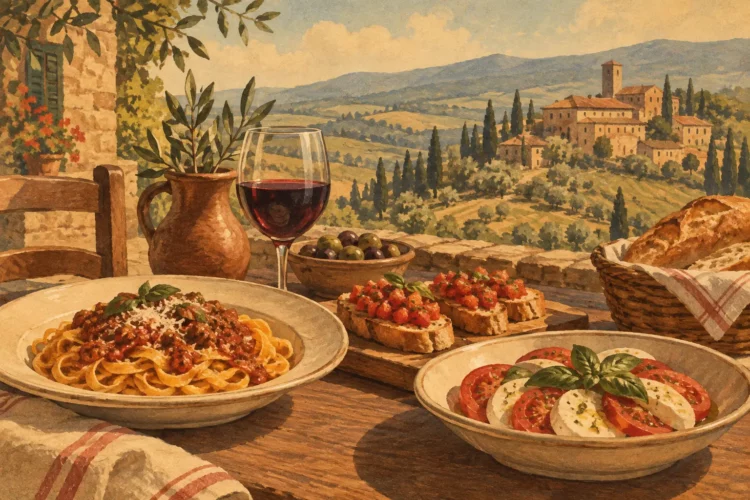
By A bowl of pici with wild boar ragù tastes different when the windows open on to rolling hills, the olive oil was pressed nearby, and lunch is allowed to stretch a little longer than planned. That is the promise behind an authentic Tuscan restaurant guide – not simply finding somewhere to eat, but choosing a place that lets you feel Tuscany properly.
For many visitors, the challenge is not a lack of restaurants. It is the opposite. Popular towns are full of menus in several languages, polished terraces, and promises of tradition. Some are excellent. Some are built more around footfall than flavour. If you want a meal that feels rooted in the land, the season and the quiet confidence of Tuscan cooking, it helps to know what authenticity really looks like.
What an authentic Tuscan restaurant guide should help you spot
A good authentic Tuscan restaurant guide is not obsessed with rustic clichés. Red-and-white tablecloths, hanging garlic and old wine bottles do not prove very much on their own. Real Tuscan character usually shows itself in calmer, less theatrical ways.
It begins with ingredients. Tuscan cooking is generous but rarely fussy. Bread, olive oil, beans, game, pecorino, seasonal vegetables, local wines and carefully made pasta carry much of the region’s identity. Restaurants that cook in a genuinely Tuscan way tend to let these ingredients speak clearly. You will often notice menus that are short, focused and seasonal rather than broad and crowd-pleasing.
The setting matters too, though perhaps not in the obvious way. In Tuscany, food and place belong together. A restaurant can feel deeply authentic in a village square, on a country estate, or among open landscapes beyond the busier tourist routes. What matters is whether the experience feels connected to the region rather than staged for it.
The signs of a truly Tuscan kitchen
One of the strongest signs is restraint. In many of the most memorable Tuscan meals, the cooking is simple enough to look easy and skilled enough to make that simplicity shine. A tomato sauce tastes of ripe tomatoes, not sugar. A grilled steak arrives with confidence, not decoration. A dessert is comforting rather than showy.
Look for dishes that belong naturally to the area and the season. Pici, ribollita, pappa al pomodoro, crostini, wild boar ragù, grilled meats, pecorino with honey or jams, and homemade cakes are all strong signals, provided they are prepared with care. Of course, not every authentic restaurant will serve every classic. Menus change by location, by family tradition and by time of year. That is part of the charm.
Wine lists can reveal a great deal as well. A restaurant that takes pride in its Tuscan identity will usually give proper space to regional bottles. You do not need a vast cellar or rare labels. What matters is a thoughtful selection that feels close to the landscape and pairs naturally with the food.
Why location changes the meal
There is a reason experienced travellers often leave the busiest streets behind when they want a memorable lunch or supper. Restaurants in high-traffic historic centres can be excellent, but they also face pressure to serve quickly, appeal broadly and turn tables. That is not ideal for every diner, especially if you are looking for the slower pleasure of a proper Tuscan meal.
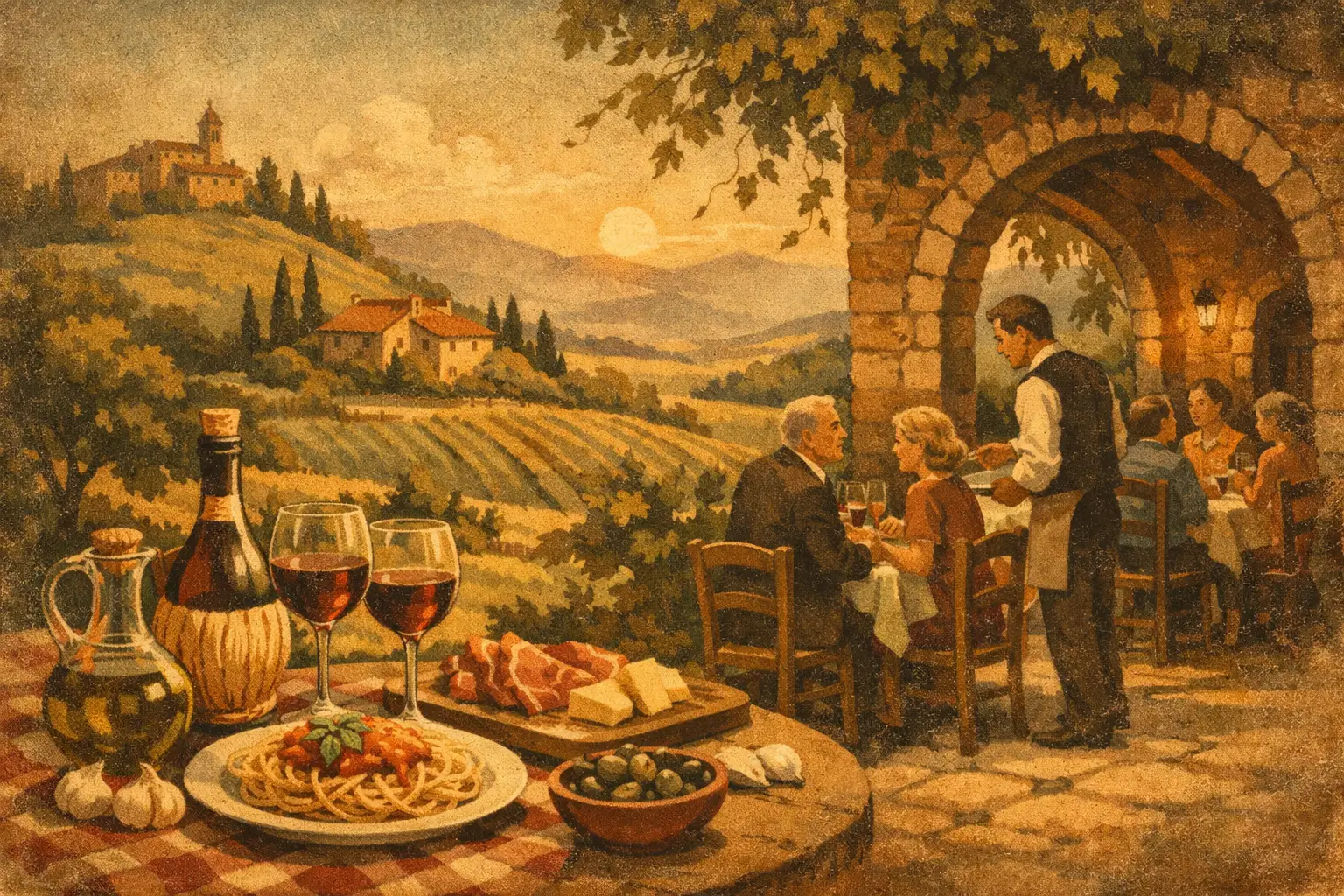
The most rewarding experiences are often found where nature, hospitality and cuisine meet. In the countryside or on the edges of cultural landmarks, there is more room for meals to unfold at a gentler pace. Children are less constrained, couples can linger, and the atmosphere feels less transactional. The food often benefits from that same calm.
This is where an authentic Tuscan restaurant guide becomes most useful. It should encourage you to think beyond convenience and ask a better question: where will the setting deepen the flavour of the day? Sometimes the answer is a lively trattoria in town. Sometimes it is a table with a wide view, fresh air and a kitchen that reflects the land around it.
How to read a menu without falling for tourist shorthand
A menu written in clear English is not a warning sign in itself. Tuscany welcomes visitors from around the world, and good hospitality should feel generous, not exclusionary. The real question is whether the menu has integrity.
If everything seems designed to satisfy every possible preference, from generic pasta combinations to international staples with little local identity, authenticity may not be the main priority. By contrast, a menu with a clear point of view usually feels more promising. It may offer fewer options, but the choices will make sense together.
Descriptions matter as well. Honest restaurants tend to describe dishes simply. They do not need to oversell every plate. If a kitchen is proud of its ingredients, it will often mention provenance, seasonality or local products in a natural way. That quiet confidence is worth noticing.
It is also worth checking whether the restaurant works well across the day. In Tuscany, some of the loveliest moments happen outside the formal dinner hour – a leisurely breakfast with fresh pastries and coffee, a late lunch in the sun, an afternoon pause with dessert and wine. A place that treats each of those moments with care often offers a fuller sense of Tuscan living.
Authentic Tuscan restaurant guide for different kinds of traveller
Not every guest is looking for the same thing, and authenticity is not a single rigid standard. A couple on a romantic escape may care most about atmosphere, wine and an unhurried dinner as the light changes over the hills. A family may need warmth, flexibility and enough space to relax without feeling hurried. Food-conscious travellers may focus on local produce and traditional cooking, while others are simply looking for one beautiful meal that feels unmistakably of the region.
The best restaurants understand this without diluting their identity. They remain rooted in place while making guests feel at ease. That balance is harder to achieve than it sounds. Some restaurants are wonderfully traditional but formal to the point of stiffness. Others are scenic but rely too heavily on the view. The finest places bring together flavour, welcome and setting so naturally that nothing feels forced.
In that sense, authenticity is as much about feeling as it is about recipes. You know it when service is warm rather than rehearsed, when the meal follows a rhythm instead of a script, and when the surroundings encourage you to slow down rather than rush to the next stop.
What to prioritise when choosing where to book
If the meal matters, book around the experience you want rather than the landmark nearest to you. Think first about time of day, mood and company. A relaxed countryside lunch calls for different qualities than an elegant evening meal. If you are travelling with children, outdoor space and a welcoming pace can matter as much as the menu. If you are planning a special dinner, the wine list and atmosphere may take priority.
Photography can help, but it should not make the decision alone. A beautiful terrace means little if the kitchen feels generic. Equally, a modest room can deliver a deeply memorable meal if the food is honest and the welcome sincere. The sweet spot, of course, is finding both.
This is why places such as Osteria Etrusca appeal to guests who want more than a table and a plate. When a restaurant combines regional food, thoughtful hospitality and the quiet beauty of the Tuscan landscape, dining becomes part of the holiday itself rather than a stop between activities.
The small details that often tell the truth
Pay attention to the bread, the olive oil and the coffee. These small details reveal standards quickly. In Tuscany, bread has its own character, olive oil should taste alive, and coffee should never feel like an afterthought. Desserts can be revealing too. Homemade endings – a tart, a cake, a classic spoon dessert – often say more about a kitchen’s care than an elaborate plated finale.
Listen for the pace of the room. A good restaurant does not need to feel silent, but it should feel settled. There is a difference between lively and hurried. In the right place, guests seem to exhale a little. Courses arrive with rhythm. Another bottle is poured because the moment calls for it, not because the table must be turned.
And trust your own response. If a restaurant makes you want to linger, order one more course, and watch the landscape shift as the day moves on, it is probably doing something right.
The finest meals in Tuscany are rarely just about what is on the plate. They stay with you because food, place and time seem to belong together. Choose with that in mind, and your authentic Tuscan restaurant guide becomes wonderfully simple: follow the kitchens that cook with honesty, the rooms that welcome without fuss, and the settings that make you want to stay a little longer.