
 By
A lunch in Tuscany can change the shape of an entire day. One table may offer polished service steps from your room; another may sit beneath an open sky, with olive groves, warm stone and the unhurried sound of the countryside around you. When considering countryside lunch versus hotel dining, the question is not simply where the food is better. It is which kind of afternoon you want to remember.
For couples, families and travellers who have spent the morning exploring Volterra’s streets or driving through the hills, lunch is often the moment to slow down. It can be a convenient pause, certainly, but it can also be the part of the holiday where everyone finally settles into the rhythm of Tuscany.
Countryside Lunch Versus Hotel Dining: The Real Difference
Hotel dining is built around ease. You are nearby, the setting is familiar and the timetable is often designed to fit neatly around check-in, pool time or an afternoon departure. A well-run hotel restaurant can be an excellent choice when comfort, consistency and convenience are the priority. There is real pleasure in walking downstairs, taking a table and knowing that the rest of the day requires no planning.
A countryside lunch asks for a little more intention, but it gives something different in return. The drive becomes part of the experience. Cypress-lined roads, vineyards and quiet bends in the landscape create a sense of arrival before the first glass is poured. Rather than being an amenity within a stay, the meal becomes a destination in its own right.
That distinction matters most when you are visiting Tuscany for its character. A dining room inside a hotel can be refined, elegant and reliably good. Yet a restaurant rooted in the countryside has the chance to connect the plate to the place in a more immediate way: seasonal produce, local wine, the scent of the air after a hot morning and the long view beyond the table.
What Changes on the Plate?
Neither setting automatically guarantees a better meal. A fine hotel kitchen may work with outstanding producers, while a countryside restaurant can also fall into predictable tourist fare. The useful question is whether the menu has a clear relationship with its surroundings.
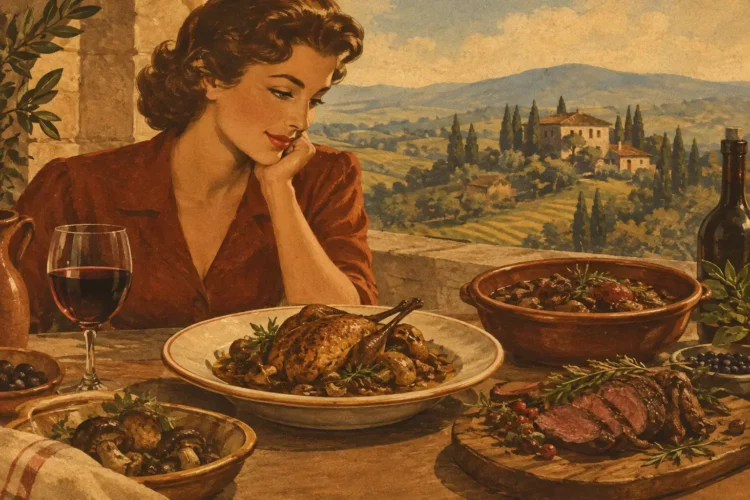
At its best, lunch in the Tuscan hills follows the season rather than a fixed formula. Spring might bring tender greens, peas, pecorino and light pasta dishes. Summer calls for ripe tomatoes, grilled vegetables, fragrant herbs and chilled white wine. In autumn, the table becomes richer, with mushrooms, chestnuts, wild boar ragù and fuller reds. Winter has its own quiet generosity in slow-cooked meats, soups and desserts made for lingering over coffee.
This is where an independent countryside kitchen often feels especially personal. The menu can respond to what is plentiful, what is at its best and what the local landscape has traditionally provided. Fresh bread, handmade pasta, game, olive oil and a simple dessert made with care do not need elaborate presentation when their ingredients have genuine flavour.
Hotel menus, by contrast, tend to serve a broad range of guests. This can be helpful for families or groups with different appetites, and it often means familiar options are readily available. The trade-off is that the menu may be designed for reliability across many covers rather than for a particular valley, village or producer. Neither approach is wrong. It depends on whether you are seeking reassurance or a stronger sense of place.
The Value of a Slower Table
The pace of lunch can be as memorable as the food itself. In a hotel, service may be more structured because the restaurant is balancing breakfast, lunch, room service and dinner preparations. This suits travellers with a booked museum visit, a flight to catch or children ready for an afternoon swim.
In the countryside, lunch often makes room for conversation. You might begin with antipasti and a glass of local wine, move slowly through pasta or grilled meat, then find that an espresso and dessert become part of the plan rather than an afterthought. The best meals do not rush you through the final course simply because the table is needed for the next sitting.
That said, a long lunch is not always the right lunch. If you are travelling with very young children, managing a packed itinerary or arriving after a tiring journey, hotel dining can be the kinder choice. Good hospitality should meet the mood of the day, not force every guest into the same ideal.
Setting Is More Than Scenery
A beautiful hotel terrace can offer a lovely view, and many properties take great care over their gardens and outdoor spaces. But a countryside restaurant is not simply borrowing the landscape as a backdrop. It lives within it.
The difference is felt in small details: sunlight moving across the table, a breeze that cools the heat of the afternoon, birdsong between conversations and the wide, open feeling that city dining rarely allows. For guests who spend much of the year moving quickly between meetings, school runs and crowded streets, this spaciousness can be as restorative as the meal itself.
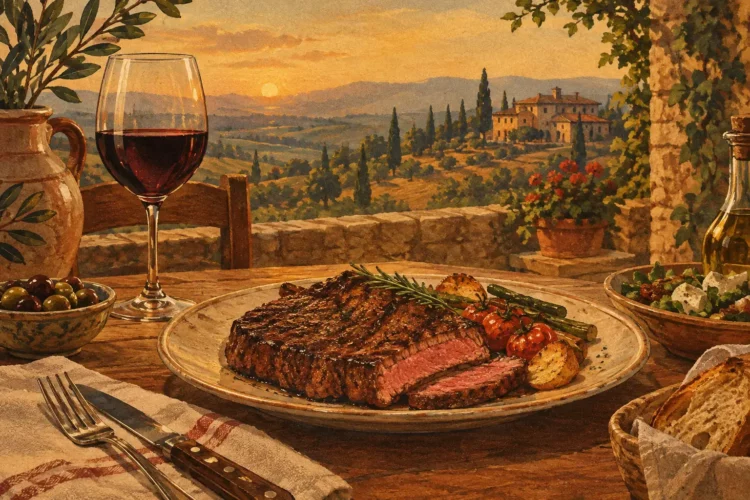
At Osteria Etrusca, the pleasure of dining outdoors is closely tied to the Tuscan landscape. A generous patio and far-reaching views invite guests to make lunch an occasion, whether it is a relaxed family gathering, a celebratory meal or a quiet table for two. The setting is not an interruption to the food. It is part of its flavour.
For families, the countryside can bring another advantage: room to breathe. Parents often appreciate a more relaxed atmosphere, while children are less likely to feel confined by the formality of an enclosed dining room. The key is choosing a place that welcomes families without sacrificing the quality and calm that adults have come to enjoy.
Service: Personal Attention or Familiar Convenience?
Hotel service is often highly professional, with clear standards and a polished rhythm. Staff may be particularly skilled at handling international guests, dietary requirements and the practical details of a stay. If you value a predictable experience and immediate proximity to your accommodation, this is difficult to beat.
Countryside hospitality tends to feel more like being received than processed. A good host notices when a couple would prefer a quiet corner, suggests a wine that suits the heat of the day or explains why a particular pasta is on the menu now. The service may be less formal in appearance, but it can be deeply attentive.
This is not about choosing between sophistication and sincerity. The finest places offer both. What changes is the focus: hotel dining often supports the stay, while countryside dining can become the reason for the journey.
How to Choose for Your Day in Tuscany
Choose hotel dining when convenience matters most. It is a sensible option on arrival day, before an early departure, during uncertain weather or when you want the comfort of staying close to your room. It can also be the right choice when everyone in your party has very different tastes and a broad menu will make the meal easier.
Choose a countryside lunch when you have time to spare and want the meal to carry some of the emotional weight of the holiday. It is especially rewarding after a morning in Volterra, a scenic drive through the hills or a visit to a nearby winery. Book ahead if the restaurant is known for its terrace or views, particularly at weekends and through the warmer months.
A useful middle ground is to treat each setting as part of a balanced trip. Enjoy one easy meal at your hotel when rest is the priority, then set aside another afternoon for a table among the hills. Tuscany is generous enough to make room for both.
The right choice is the one that leaves you feeling you have spent your time well. If a plate of regional pasta, a good bottle shared slowly and the fading warmth of the afternoon sound more valuable than getting back to your room ten minutes sooner, let lunch take you into the countryside and allow the day to unfold there.