 By
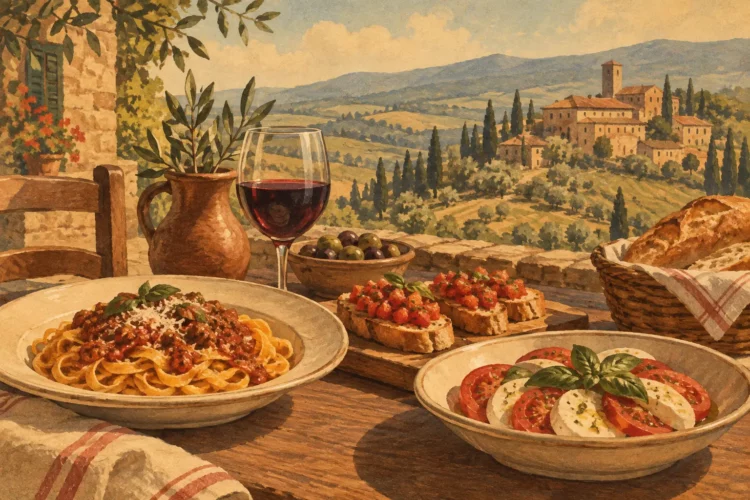
By A plate of pappardelle with wild boar ragù tastes different when the hills are in view, the olive groves are close enough to scent the air, and the wine in your glass was made not far from your table. That is the real appeal of a local ingredients restaurant Tuscany travellers seek out – not simply regional recipes, but the feeling that the land itself is present in the meal.
For many visitors, Tuscany is imagined through postcards: cypress roads, golden light, stone villages, a long lunch under shade. Yet the most memorable part of a day here is often far simpler. It is the first bite of pecorino made nearby, tomatoes picked at the right moment, bread still warm, and coffee taken slowly rather than on the move. A restaurant built around local ingredients turns those expectations into something tangible, generous and real.
What makes a local ingredients restaurant in Tuscany feel authentic
Authenticity in Tuscany is not a theatrical performance. It rarely announces itself loudly. More often, it appears in quiet choices – where the produce comes from, how the menu changes, what is left off the plate, and how confidently a kitchen resists overcomplication.
A truly local restaurant tends to cook with the rhythm of the surrounding countryside. In spring, the menu may lean greener and lighter. In summer, ripeness does much of the work. Autumn invites mushrooms, chestnuts and richer sauces. In cooler months, slow-cooked meats, soups and baked dishes feel entirely natural. This seasonality matters because Tuscan cooking is not built on disguise. When ingredients are good, they need less handling.
There is also a difference between food that is locally inspired and food that is locally rooted. The first may borrow a few recognisable dishes. The second is shaped by producers, weather, harvests and habit. You can often taste that difference immediately. Olive oil has character rather than neutrality. Cured meats feel specific. A dessert may be simple, but it belongs to the place.
Why local ingredients matter more than a fashionable menu
Plenty of restaurants talk about provenance because they know guests look for it. But local sourcing in Tuscany is not just a pleasant phrase for a menu. It affects flavour, texture, freshness and atmosphere in ways that are difficult to imitate.
Vegetables that have not travelled far hold their vitality. Bread and pastries made fresh the same day bring a different warmth to the table. Cheese from the region carries the grasses and seasons of the surrounding fields. Wines chosen from nearby estates sit more naturally beside the food because they come from the same culinary landscape.
There is an emotional dimension too. For couples on holiday, families gathering over lunch, or guests seeking a slower afternoon away from crowded streets, local ingredients create a stronger sense of arrival. You do not feel that you could be eating the same meal anywhere else. The experience becomes tied to memory – a particular light, a particular view, a particular dish enjoyed in the right place.
That said, there are trade-offs. A kitchen committed to local produce cannot promise endless variety in every season. If you expect strawberries in winter or a menu that never changes, local sourcing may feel limiting. For many guests, though, that is part of the pleasure. The meal feels timely rather than manufactured.
Local ingredients restaurant Tuscany visitors should look for
If you are choosing where to eat, a few signs usually reveal whether a place takes local ingredients seriously or simply uses the language well.
The first is menu confidence. Restaurants that rely on strong produce often keep descriptions straightforward. They do not need to crowd every dish with technique or unnecessary additions. Handmade pasta with a slow ragù, grilled meat with seasonal vegetables, a good olive oil served with fresh bread – these are not plain choices when ingredients carry their own depth.
The second is range across the day. A restaurant devoted to quality does not only come alive at dinner. Breakfast should feel cared for, with fresh bakes, proper coffee and ingredients that start the day well. Lunch should suit the warmth and pace of the afternoon. Dinner can become more generous and lingering, with richer dishes, local wines and desserts that invite you to stay at the table a little longer.
The third is setting. Not every excellent restaurant needs a dramatic landscape, but in Tuscany the surroundings often shape the appetite. Nature slows the meal down. Open air, soft evening light and a sense of space alter how food is experienced. A peaceful location outside the busiest town centres can make a simple lunch feel more restorative than a fashionable booking in a crowded square.
The taste of place, from breakfast to dinner
One of Tuscany’s quiet luxuries is that local eating does not need to begin at dusk. The day can unfold through food.
At breakfast, local ingredients might mean pastries baked that morning, fragrant coffee, fruit at its best, yoghurt, cakes or savoury options prepared with the same care given later in the day. There is something deeply civilised about beginning slowly, especially when you are surrounded by open landscape rather than traffic and noise.
At lunch, the emphasis often shifts to ease and brightness. Pasta, salads, grilled vegetables, cured meats, cheeses and wines suited to the warmth of the afternoon can make the middle of the day feel indulgent without becoming heavy. For families, this rhythm matters. Children eat better when the atmosphere is calm, and adults enjoy more when the pace is unforced.
Dinner is where Tuscany often shows its deeper tones. Ragù with game, grilled meats, fuller-bodied reds, roasted potatoes, dark greens, and desserts that are homely rather than fussy all belong here. In the right restaurant, dinner feels less like a service and more like an evening with shape and mood. Osteria Etrusca captures this beautifully by pairing regional cooking with the kind of setting that encourages guests to settle in and savour the hours, not just the courses.
Why the setting changes the meal
Food is never only about food, especially in a destination people choose for beauty and rest. The same ingredients can feel entirely different depending on where they are served.
In Tuscany, a restaurant close to nature offers something city dining often cannot. There is room to breathe. Conversations are easier. Children are less confined. Couples can feel tucked away rather than on display. The view, the air, the quiet and the gentle passing of time all support the meal.
This matters because guests are not simply looking to be fed. They are looking to feel held by a place. A thoughtful restaurant understands that hospitality begins before the first course arrives. It starts with the approach, the welcome, the comfort of the table, the sense that nothing is rushed.
There is, of course, an argument for the energy of a historic town centre. Some travellers want bustle, footfall and immediate proximity to landmarks. But if your idea of Tuscany includes calm, space and authenticity, a restaurant slightly removed from the crowds often gives more. The flavours feel clearer when the experience around them is quieter.
Choosing well without overthinking it
A good meal in Tuscany should feel effortless, but choosing the right place still helps. Look for a restaurant that speaks clearly about regional cooking, seasonal dishes and local wines without sounding rehearsed. Notice whether the offering feels coherent from morning to evening. If breakfast is an afterthought and the menu appears designed mainly for tourists, the experience may be less rooted than it seems.
Photos and descriptions can suggest atmosphere, but they cannot replace instinct. The best restaurants often share a certain tone – calm confidence, warmth, and a sense that they know exactly who they are. They welcome you to enjoy Tuscany rather than perform it.
It also helps to match the place to the moment. A long, celebratory lunch with family calls for comfort and space. A romantic dinner may depend as much on view and pace as on the menu itself. If you are travelling with children, all-day hospitality can make the day much easier. The right restaurant does not force every guest into the same mood. It creates room for different kinds of pleasure.
When you find a local ingredients restaurant Tuscany offers at its best, the experience stays with you for reasons that are hard to separate. Was it the pasta, the wine, the olive oil, the late sun, the quiet, the company? Usually it is all of it together. That is why the right table here can become part of the journey itself – not a pause between plans, but one of the reasons to come.