 By
By By the time many visitors start searching for a local wine tasting restaurant Tuscany can feel split in two. There is the postcard version – busy squares, polished menus, and tasting rooms built for passing footfall. Then there is the quieter Tuscany, where lunch stretches into afternoon light, wine is poured with confidence rather than ceremony, and the meal matters as much as the view.
That second version is the one worth making time for.
A good wine tasting restaurant in Tuscany is not simply a place that serves a flight of reds beside a plate of pecorino. It is a place where the landscape enters the table. The olive oil has a story, the bread still carries warmth from the oven, and the wine list makes sense because it belongs to the surrounding hills. For guests who want more than a quick tasting between stops, choosing well changes the whole rhythm of the day.
What makes a local wine tasting restaurant in Tuscany feel authentic
Authenticity is often overused in travel writing, but in Tuscany it has a clear meaning. It starts with provenance. Local wines should not appear as a token section at the bottom of the menu. They should feel central to the experience, chosen because they reflect the land and the cooking.
That usually means a restaurant that understands pairing in a natural way. A structured red beside wild boar ragù, a fresher white with seasonal vegetables, a dessert wine that arrives at exactly the right moment rather than as an afterthought. When the kitchen and cellar speak the same language, the meal feels grounded and unforced.
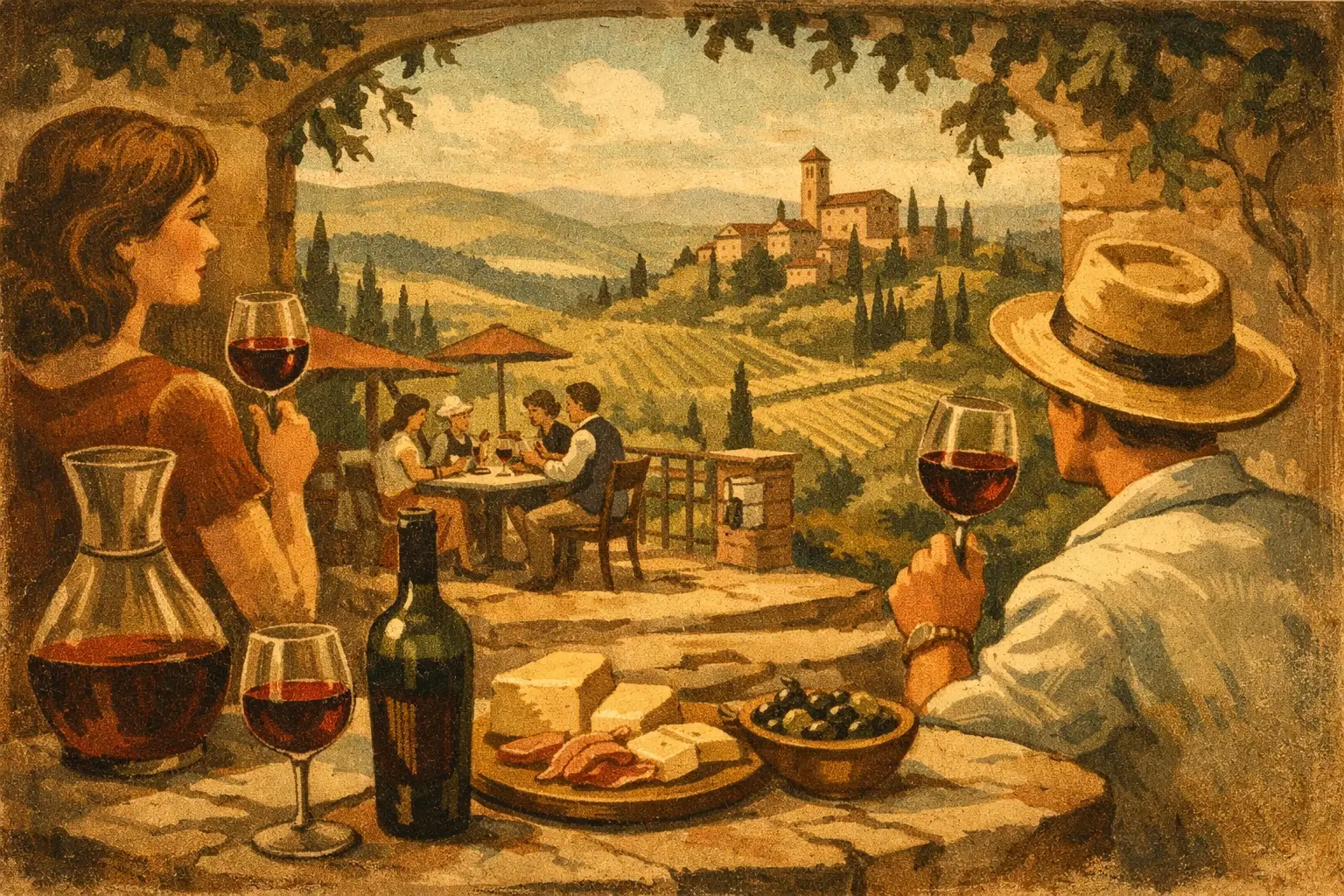
It also means resisting the idea that every tasting has to be formal. Some guests want guidance through grape varieties and production methods. Others simply want a beautiful glass of local wine with lunch on a terrace, followed by another bottle when the evening cools. The best places recognise both moods. They do not perform Tuscany – they host it.
Why the setting matters as much as the wine
In this part of Italy, wine never lives in isolation. It belongs to cypress-lined roads, warm stone, slow conversation, and a sense that no one needs to hurry. That is why the setting of a local wine tasting restaurant Tuscany visitors choose matters so much.
A dining room can be elegant, but if the atmosphere feels transactional, something is missing. By contrast, a restaurant surrounded by open countryside often allows the wines to make more sense. You taste differently when you are relaxed. You notice more when there is space, silence, and a view that settles you into the moment.
For couples, this often becomes the meal they remember most from the trip – not the most expensive one, but the one where everything aligned. For families, a countryside setting can also be easier and more enjoyable than a formal venue in a crowded town, especially when lunch is unhurried and the surroundings invite people to linger. Premium travellers usually look for the same thing, though they may describe it differently: discretion, quality, and a strong sense of place.
How to choose the right restaurant for a wine tasting experience
There is no single perfect formula, because the right choice depends on what sort of day you want. Some restaurants focus heavily on technical tasting. Others create a broader hospitality experience where wine sits naturally within breakfast, lunch, aperitivo, and dinner.
If your priority is depth, look for a menu that treats local ingredients seriously. A thoughtful kitchen is often a good sign of a thoughtful wine programme. If your priority is atmosphere, pay attention to the location. A beautiful terrace, open views, and a calm pace can turn a simple tasting into the highlight of your holiday.
Timing matters too. A midday wine tasting with lunch feels very different from an evening meal built around fuller-bodied wines and richer dishes. Neither is better. It depends on whether you want brightness and ease, or something more intimate and lingering.
It is also worth considering how flexible the experience is. Some guests love a structured sequence of pours. Others prefer to ask for recommendations by the glass and follow the meal where it naturally leads. A restaurant that can do both well tends to offer the most satisfying experience.
The role of food at a local wine tasting restaurant Tuscany guests remember
Food should never be a prop. In many tourist-heavy destinations, wine tastings are paired with generic platters that look pleasant enough but say very little about where you are. Tuscany deserves more than that.
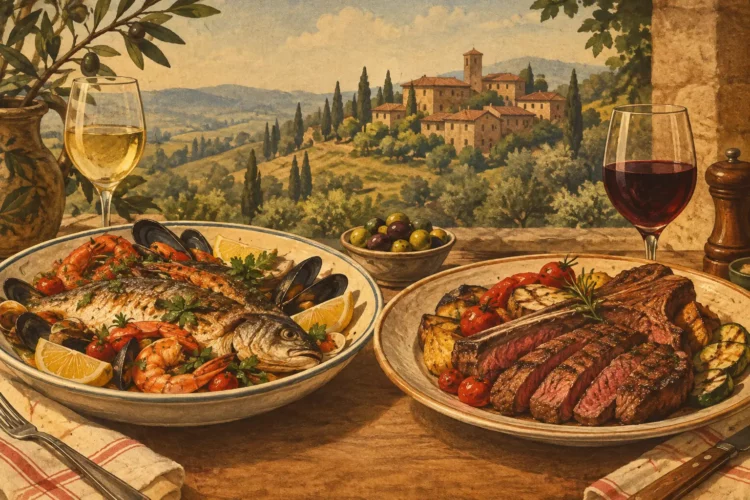
The wines of the region come alive when they meet local cooking. Hand-made pasta, game sauces, grilled meats, seasonal vegetables, pecorino, salumi, and warm breads are not there to fill the table. They reveal structure, acidity, depth, and balance in the glass. They also slow the experience down in the best possible way.
That is one reason a restaurant can often offer a richer wine experience than a simple tasting room. At the table, the wine becomes part of a wider pleasure. You are not evaluating it from a checklist. You are enjoying how it changes with each course, how it opens in the air, how it fits the hour and the landscape.
At Osteria Etrusca, that approach feels especially natural. The pleasure lies not only in tasting local wines, but in enjoying them alongside regional dishes, fresh baking, Italian coffee, homemade desserts, and the calm beauty of the Tuscan countryside. It is less about collecting tastings and more about settling fully into the day.
Avoiding the crowded version of Tuscany
Many visitors arrive with limited time and a long list of places they think they should see. That often leads to crowded centres, hurried meals, and wine experiences that feel efficient rather than memorable. There is nothing wrong with famous towns, but they are not always where Tuscany feels most generous.
Choosing a restaurant outside the busiest routes can change the tone of your entire trip. Service becomes more personal. The pace softens. The wines are often presented with greater honesty because they are not competing for attention. You begin to feel like a guest rather than a customer being processed between sittings.
This does not mean remote always equals better. Convenience matters, especially for families or those planning a full day of travelling. But if you can give even one meal to a quieter setting, you will often gain something the town-centre experience cannot provide – a genuine sense of rest.
What to expect from a memorable Tuscan wine tasting meal
Expect simplicity, but not carelessness. The best experiences are often composed of familiar pleasures done exceptionally well: a table in the shade or evening sun, bread worth tearing into straight away, a knowledgeable recommendation, a first glass that invites a slower pace.
Expect local character without performance. Staff should be able to guide you, but not lecture. The wines should feel chosen, not merely stocked. The menu should leave room for appetite, mood, and the season.
And expect some variation. One day may call for a crisp white and a light lunch. Another may suit a deeper red with pasta and slow-cooked meat. Tuscany rewards appetite, but it also rewards flexibility. The most memorable restaurants understand that no two tables want exactly the same experience.
That is why searching for a local wine tasting restaurant Tuscany offers should begin with a feeling rather than a checklist. Do you want intimacy or space? A celebratory dinner or a long countryside lunch? A technical tasting or a beautiful meal where the wine is woven naturally through every course?
The right answer will usually lead you away from the obvious and towards somewhere with confidence in its food, pride in its wines, and enough calm to let both speak for themselves.
If you are planning a day around wine in Tuscany, leave room for the restaurant that lets you stay a little longer than expected. That extra hour, with another glass poured as the light shifts over the hills, is often where the real taste of the region begins.