 By
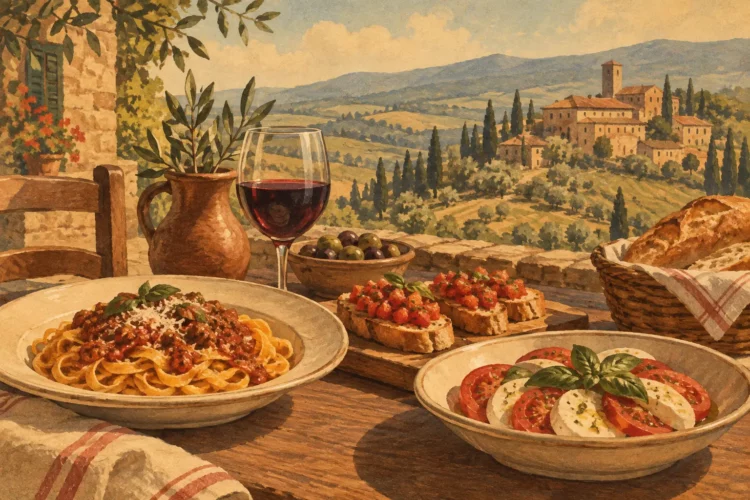
By A long table, warm bread passed from hand to hand, and the first plates arriving while the Tuscan light softens over the hills: this is the moment when lunch or dinner becomes an occasion. Knowing how to order a shared feast means choosing enough for everyone to enjoy, without turning a beautiful meal into a calculation. The aim is abundance with ease – a table that feels generous, varied and unhurried.
How to order a shared feast without overthinking it
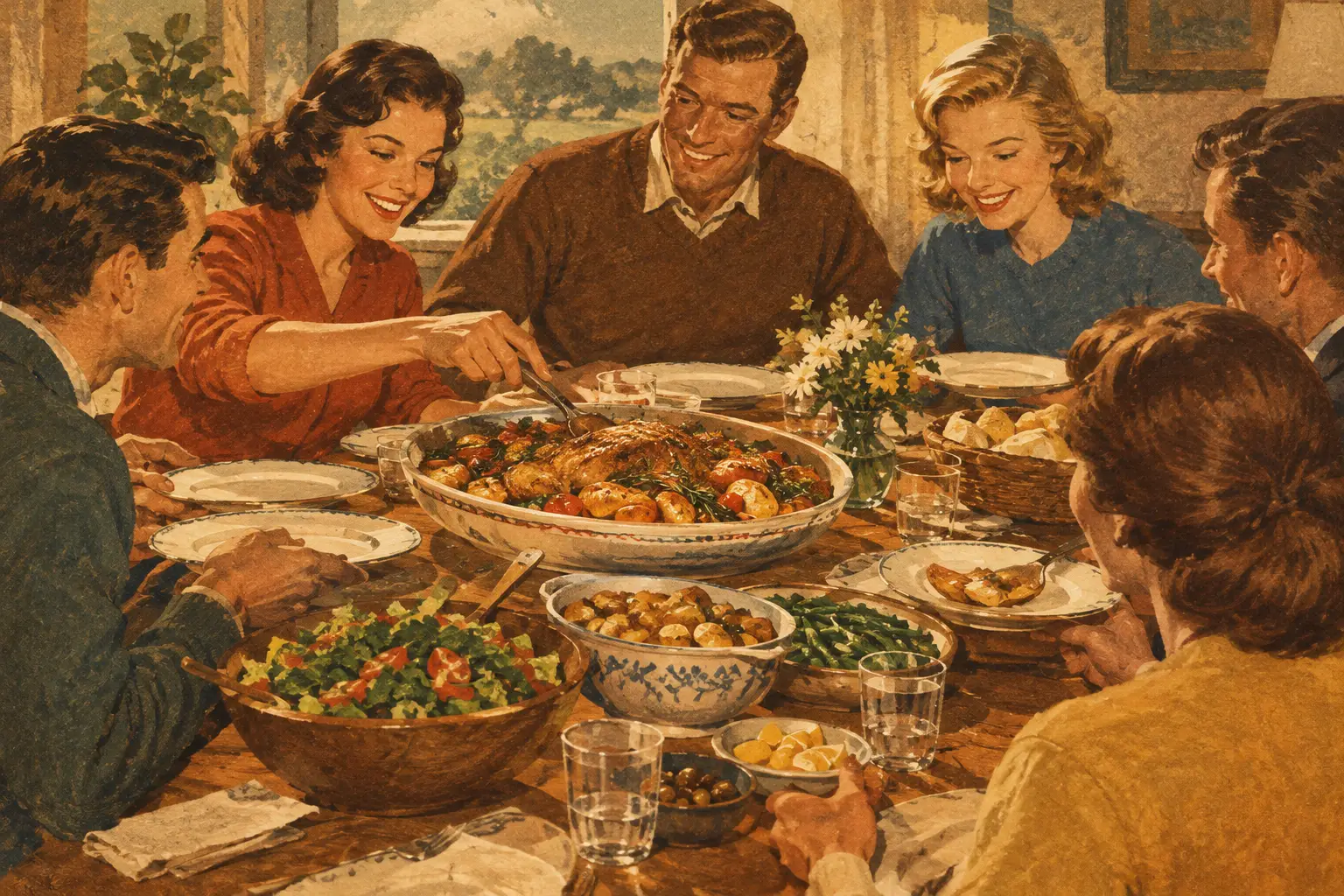
A shared feast is not simply several dishes placed in the middle of the table. It is an invitation to taste together. Each guest can try a little of something they may not have chosen alone, conversation naturally moves around the plates, and the meal unfolds at a calmer pace than a conventional individual order.
Begin with the people at your table rather than the number of courses. A couple sharing a late lunch may want a lighter selection and room for dessert. A family after a morning of exploring, or a group gathering for a celebratory evening, may welcome more substantial dishes and a slower progression from antipasti to pasta, meat and sweets.
There is no single formula because appetites, ages and the time of day all matter. What helps is a simple principle: choose a few dishes with different characters, order in stages where possible, and leave space for the pleasures that often arrive unexpectedly – another slice of bread, a final glass of wine, a dessert worth sharing with two spoons.
Start with the mood of the meal
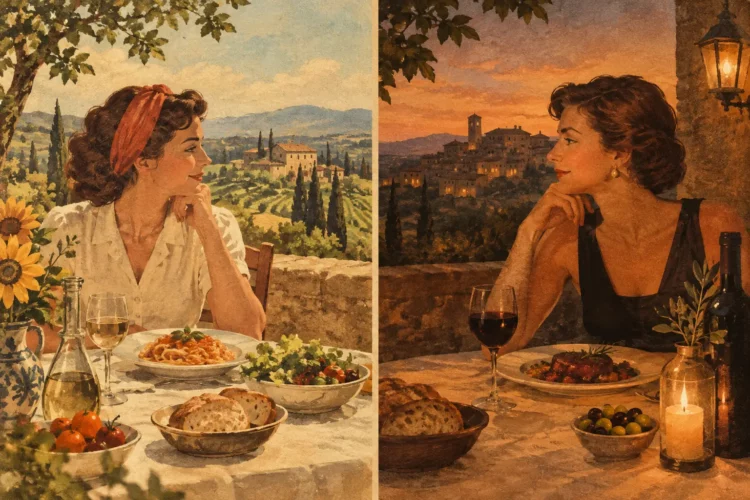
Before looking closely at the menu, decide what you would like the table to feel like. A relaxed lunch calls for dishes that are easy to pass and enjoy in the sunshine: seasonal vegetables, charcuterie, cheeses, fresh bread and perhaps a pasta to share. For dinner, you may choose to build more slowly, beginning with small plates before moving towards fuller, more comforting flavours.
At Osteria Etrusca, the setting encourages this way of eating. The views and open air are not a backdrop to rush past. They are part of the meal. A generous order should allow time to pause between courses, watch the light change and enjoy the company that brought you to the table.
The season can guide you, too. In warmer months, a feast may lean towards ripe tomatoes, fragrant herbs, grilled vegetables and bright local wines. When the evenings turn cooler, handmade pasta, slow-cooked sauces, game and roasted meats bring a deeper sense of warmth. Let the kitchen’s seasonal suggestions lead where they can. They often reflect what is at its best that day.
Choose contrast, not repetition
The most memorable shared tables have contrast. If your first dishes include rich cured meats or cheese, balance them with something fresh, crisp or herb-led. If you choose a substantial pasta, avoid following it with several dishes of equal weight. Instead, bring in vegetables, a salad or a simply cooked main course that gives the meal a different rhythm.
Think about texture as well as flavour. A plate of soft pecorino becomes more interesting with fruit, honey or something sharp. A deeply savoury ragù benefits from bread, wine and a lighter dish alongside it. Grilled meat feels complete when the table also has vegetables with colour and bite.
This does not mean trying to create a perfect tasting menu. Tuscan food is at its best when it feels sincere, not overly arranged. The goal is simply to ensure that every person at the table has something that draws them in.
Build the table course by course
For most groups, beginning with shared antipasti is the easiest way to settle in. Order a selection that gives everyone a first taste of the region: perhaps local cheeses, cured meats, vegetables, bread and whatever is especially good from the kitchen that day. These first plates create a natural pause. You can enjoy an aperitivo, take stock of the table’s appetite and decide how generously to continue.
Pasta is often the heart of a Tuscan feast. A dish with wild boar, for example, brings depth and local character, while a simpler seasonal pasta may offer a lighter counterpoint. For a table of four, two or three pasta dishes shared between you can be more satisfying than four identical plates, particularly if there are antipasti before and secondi to follow. For a hungrier party, speak to the team about portions and the best combination for your number.
The main course is where it pays to be selective. Rather than ordering every tempting meat dish, choose one or two dishes that can take their place at the centre of the table, then add sides for colour and variety. This lets the produce speak clearly and avoids the feeling that everyone is too full before dessert.
Children and lighter eaters deserve consideration as well. Shared dining should feel welcoming, not like an obligation to eat beyond one’s appetite. Ask whether a dish can be kept simple, whether a smaller portion is possible, or which options work well for younger guests. A good feast leaves everyone content, not overwhelmed.
Ask the questions that make ordering easier
A few clear questions can transform the experience. Tell your host how many people are dining, whether you are planning a full meal or a leisurely lunch, and whether anyone has dietary requirements. Mention allergies at the outset, not once dishes have been chosen.
It is also useful to ask what is genuinely best for sharing that day. Some dishes are made for the centre of the table; others are more naturally enjoyed as an individual course. The team can advise on quantity, timing and the dishes that best express the season. This is especially valuable for a large table, where a little guidance prevents both shortages and unnecessary excess.
If you are celebrating, say so. A birthday, reunion or first evening in Tuscany may not require a formal arrangement, but it does deserve a table ordered with a little more intention. Booking ahead gives the restaurant the chance to prepare for the pace and size of your gathering.
Let wine support the food and the conversation
Wine at a shared feast should be chosen for the whole table, not treated as a test of expertise. Start with the food you expect to order. A lively white or rosé can suit vegetables, cheese and lighter beginnings, while a local red often belongs naturally beside game ragù, roasted meats and longer conversations after sunset.
For mixed tables, it can be wiser to order by the glass at first or choose one versatile bottle before committing to more. Not everyone drinks wine, and a generous host makes room for water, alcohol-free choices and coffee later in the meal. The right pace matters more than the number of bottles.
If one guest knows Tuscan wine well, let them make a suggestion, but do not hand them the entire responsibility. Ask the team for a recommendation that suits your dishes and budget. The best choice is one that encourages another pour because the table is enjoying itself, not because it came with a complicated story.
Save room for a sweet ending
Dessert is often where a shared feast becomes a lasting memory. Rather than each choosing automatically, consider two or three desserts for the table, especially if people are undecided. One may want something creamy, another something chocolate-led, and someone else may prefer fruit or a small sweet with coffee.
Sharing dessert has a practical benefit: it gives everyone a taste without demanding a final full course after a generous meal. More than that, it gives the table a reason to linger. The last spoonful, the espresso, the view and the unhurried conversation are all part of the same experience.
A well-ordered feast should never feel like a performance of abundance. It should feel like care: for the ingredients, for the people around you and for the rare pleasure of having nowhere else to be for a while. Choose with generosity, trust the season, and let the table set its own pace.