 By
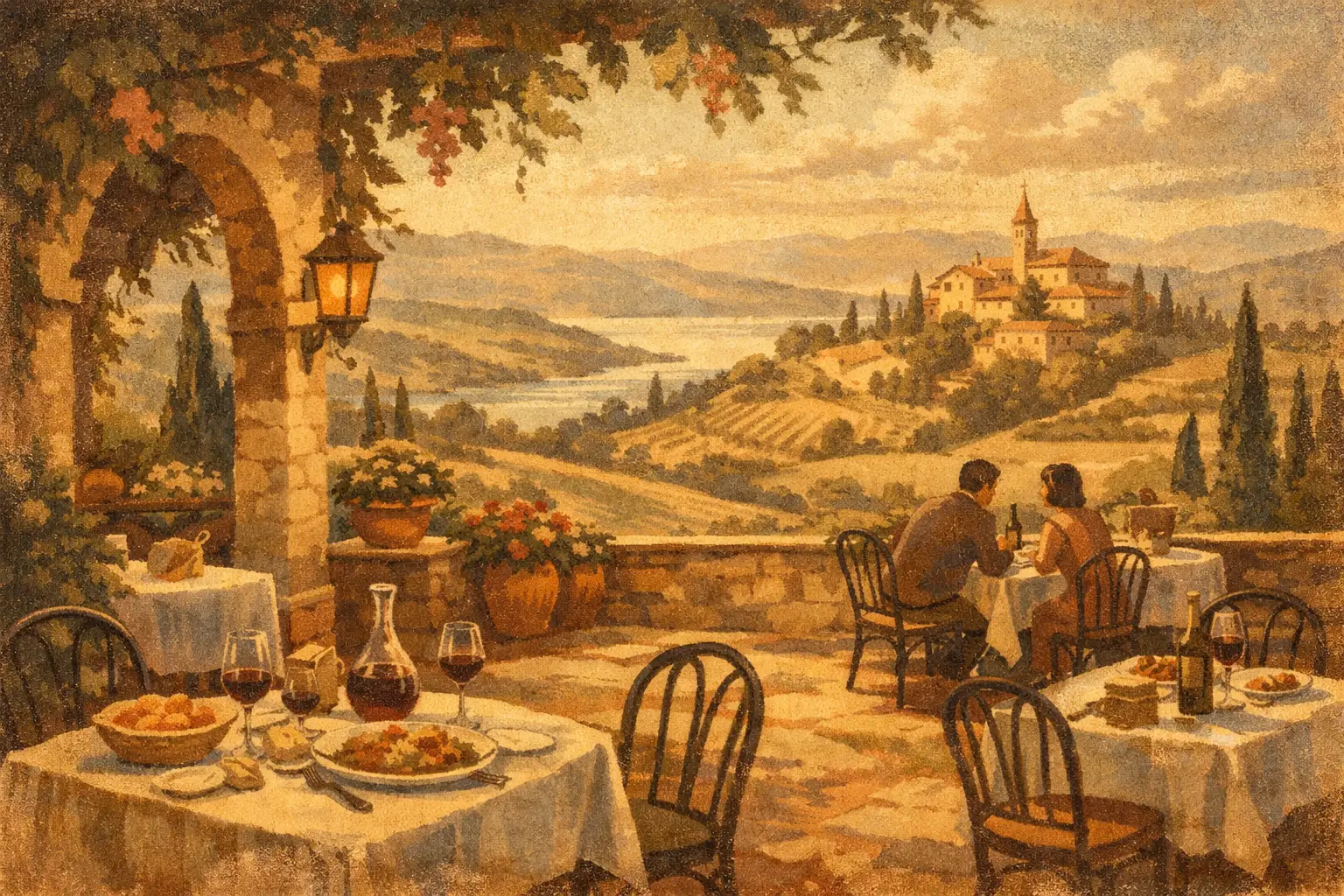
By There is a clear difference between eating in Tuscany and truly lingering there. A Tuscan restaurant with a view does not simply place a table beside a pretty landscape. It changes the pace of the meal itself. The first sip of coffee feels unhurried, lunch stretches naturally into conversation, and dinner seems to belong to the hills as much as to the plate.
For many travellers, that is exactly what they come here to find. Not a rushed booking between attractions, not another polished room that could be anywhere, but a setting where food, air, light and silence work together. In Tuscany, the right view is not decoration. It is part of the appetite.
What makes a Tuscan restaurant with a view special
The phrase can sound simple, but the experience is more layered than that. A good view does not compensate for ordinary food, and excellent food can lose some of its pleasure in a setting that feels enclosed or detached from its surroundings. The most memorable places bring both together with ease.
In Tuscany, that often means open skies, soft lines of countryside, olive trees, changing light and enough space to feel the day unfolding around you. It also means food that belongs to the landscape in front of you. Freshly baked pastries in the morning, a glass of local wine at lunch, pasta with rich ragù in the evening, grilled meats, seasonal vegetables and desserts made in house – these dishes make more sense when they are served where the ingredients feel close by, not abstract.
That is why the best restaurants with views rarely feel theatrical. They feel grounded. The pleasure comes from authenticity rather than spectacle.
The view matters, but so does the hour
One of the quiet joys of choosing a Tuscan restaurant with a view is that the same terrace can offer completely different moods across the day. Breakfast has a certain freshness to it. The landscape is still, the air is lighter, and the table calls for simple pleasures – good coffee, warm bread, flaky pastries and fruit that tastes of the season.
Lunch brings another rhythm. Sun on the table, a slower appetite, perhaps a chilled white wine or a spritz, and dishes that invite sharing. A long lunch in the countryside has its own logic. You are not only eating. You are giving the day room to breathe.
Then comes dinner, when the atmosphere deepens. Views become softer and more cinematic, conversation grows quieter, and flavours often turn richer. This is when handmade pasta, wild game sauces, grilled cuts and fuller local reds feel especially at home. If you are choosing where to book, it is worth asking not only what the restaurant serves, but when the setting is at its most beautiful for the kind of meal you want.
A beautiful setting should still feel comfortable
There is a trade-off that experienced travellers recognise quickly. Some places offer striking scenery but little ease. The chairs are awkward, the service is distracted, or the experience feels designed for photographs rather than for guests. That kind of view grows tiring very quickly.
A strong restaurant understands that comfort is part of hospitality. Shade on a warm afternoon, enough room between tables, attentive but calm service, and a sense that you are welcome to stay a little longer all matter just as much as the panorama. Families notice this. Couples notice it. Anyone hoping for a genuinely relaxing meal notices it.
The most appealing places in Tuscany get that balance right. They feel polished without becoming stiff. They invite occasion without demanding formality. You can arrive for a celebratory dinner, a lazy lunch after a drive through the hills, or an easy breakfast before the day begins, and the setting still feels natural.
Why food tastes better when it belongs to the place
A restaurant with a view can only become truly memorable when the menu reflects where you are. Tuscany has a generous, honest food culture. It does not need to be overworked. The pleasure is in quality ingredients, strong culinary identity and the confidence to let simple combinations speak clearly.
That may mean local cheeses, cured meats, handmade pasta, sauces built slowly, meats cooked with care and desserts that feel familiar in the best possible way. It may also mean bread still warm from the oven, excellent olive oil and wines chosen not because they impress on paper, but because they sit beautifully with the meal and the mood.
This is particularly important for travellers seeking something beyond the standard tourist route. If the food could have been served in any international hotel dining room, the view starts to carry too much weight on its own. But when the meal tastes unmistakably Tuscan, the landscape and the plate begin to echo each other.
Choosing the right Tuscan restaurant with a view
Not every guest is looking for the same thing, and that is where choosing carefully makes all the difference. A couple planning an intimate dinner may want sunset light, quiet tables and a more indulgent menu. A family may care just as much about space, flexibility and a relaxed atmosphere where children are genuinely welcome. A group of friends might prefer a long lunch with wine, generous portions and no pressure to leave the table.
It helps to look beyond the broad promise of a scenic location. Consider whether the restaurant serves throughout the day or only at set hours. Think about the style of cuisine, the level of formality and whether the setting feels remote in an inviting way or inconvenient in practice. Sometimes the finest experiences are found just outside the busiest centres, where there is more space, more calm and a stronger sense of place.
This is often where Tuscany is at its most persuasive. Away from the crowds, the meal feels less like an item on an itinerary and more like part of the holiday itself.
When the setting becomes part of the memory
People rarely remember every dish in exact detail, even after a very good meal. What stays with them is usually more complete than that. The warmth of the afternoon. The scent of herbs in the air. The colour of the hills before dusk. The sound of glasses on the table while everyone decides to order another course after all.
That is the real strength of a restaurant with a view. It creates memories with texture. A dish may bring pleasure in the moment, but a place gives that pleasure context. It turns lunch into a pause you wanted, dinner into an occasion you did not need to force, and breakfast into the kind of slow beginning that sets the tone for the day.
In a region celebrated for beauty, that distinction matters. There are many attractive places to eat in Tuscany. Fewer understand how to make guests feel held by the landscape rather than simply shown it.
A Tuscan restaurant with a view should feel generous
Generosity is not only about portion size, although that never hurts. It is about atmosphere. A sense of abundance. Enough beauty to settle into, enough warmth in the welcome, enough confidence in the cooking to keep things simple where simplicity works best.
That is why places like Osteria Etrusca stay with guests. The appeal is not built on scenery alone, nor on food alone, but on the rare ease of having both in harmony. When the table opens onto the Tuscan landscape and the kitchen answers it with honest regional cooking from morning through evening, the whole experience feels complete.
For discerning travellers, this matters more than novelty. They are not chasing performance. They are looking for somewhere that feels real, beautiful and deeply restful – a place where quality can be tasted, seen and felt without effort.
There is no single formula for the perfect meal in Tuscany. Sometimes it is a quiet breakfast under a pale sky. Sometimes it is lunch with a bottle of local wine and nowhere else to be. Sometimes it is dinner as the light fades and the countryside turns almost painterly. The common thread is simple: when the food is rooted in the region and the setting invites you to stay, the experience becomes more than dining.
If you are choosing where to book, choose the place that makes you want to arrive early and leave late. That is usually where Tuscany tastes most like itself.