

 By
A family feast is remembered in small, vivid details: the scent of rosemary rising from a shared platter, a child reaching for one more piece of warm bread, the pause that falls over the table when the pasta arrives. Knowing how to organise a family feast is less about arranging a perfect schedule and more about making space for those moments to happen naturally.
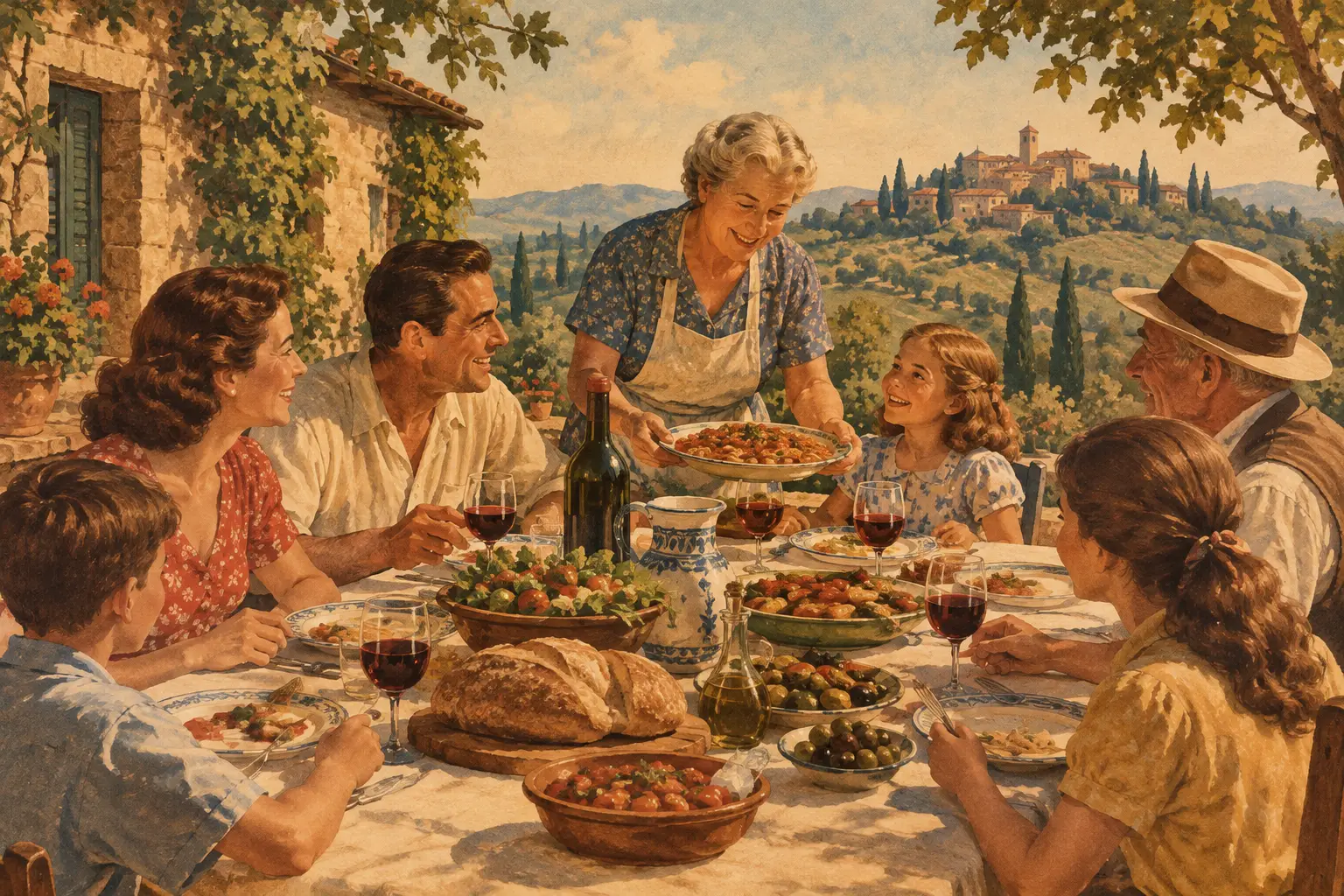
In Tuscany, long lunches and generous suppers are part of the rhythm of life. They are not rushed occasions, nor performances of elaborate hospitality. They are an invitation to gather, eat well and stay a little longer than planned. Whether you are bringing together three generations on holiday or celebrating a birthday with close friends who feel like family, a little thoughtful preparation lets everyone enjoy the day, including the host.
Begin with the reason for gathering
Before choosing a menu or counting chairs, decide what the feast is for. A birthday lunch may call for a cake brought to the table with a little ceremony. A reunion after years apart might need a long, unhurried afternoon, with time for conversation between courses. A simple Sunday gathering can be the most relaxed of all, built around beautiful food rather than an occasion.
This decision shapes everything that follows. It tells you whether a late lunch is better than an evening meal, whether children should have freedom to move and play nearby, and whether a small table with candles feels right or a broad terrace with countryside views is the real luxury.
Do not try to make one gathering serve every possible purpose. If you want grandparents to talk comfortably, teenagers to feel included and parents to relax, simplicity is your ally. A feast with a clear mood is more welcoming than one overloaded with activities, decorations and too many dishes.
Choose a time that gives the table room to breathe
The most successful family meals have generous margins. Ask guests to arrive a little before you intend to eat, especially if they are travelling from different places. An aperitivo, sparkling water and a few small bites create an easy beginning without leaving anyone hungry.
For a Tuscan-style occasion, lunch often works beautifully. The light is softer, children are usually at their brightest and the afternoon can unfold without anyone watching the clock. A dinner can be equally special, particularly in warm weather, but consider younger guests and those who may be driving afterwards.
If you are booking a restaurant, share the rhythm you have in mind when you reserve. Mention the number of children, dietary needs, whether there is a cake or surprise planned, and if guests will arrive at different times. These details help the team create a pace that feels attentive rather than formal.
Think beyond the meal itself
A family feast rarely begins when everyone sits down. Plan for the half-hour before food is served and the hour afterwards. A beautiful setting, a shaded outdoor table or a quiet place for a post-lunch stroll can make the whole occasion feel less contained by the meal.
At Osteria Etrusca, the wide Tuscan landscape gives a gathering another dimension: people can arrive slowly, settle into the view and let the table become part of a day spent together rather than the only item on the agenda.
Build a menu for sharing, not showing off
The pleasure of a feast comes from abundance with purpose. Choose food that is generous, familiar enough for varied tastes and full of character. This is not the moment to test six complicated recipes that keep you in the kitchen while everyone else talks outside.
A good family menu often moves from a few things to share to one satisfying main course, followed by a dessert that encourages another round of conversation. In Italy, that may mean antipasti of local cheeses, cured meats and seasonal vegetables; a pasta course with a slow-cooked sauce; then roasted meat, fish or a vegetable centrepiece depending on the season.
Let the ingredients lead. In autumn, mushrooms, chestnuts, game and deep red wines bring warmth to the table. Spring lends itself to artichokes, peas, tender herbs and lighter wines. In high summer, ripe tomatoes, grilled vegetables, stone fruit and chilled whites need very little embellishment.
There is a trade-off between choice and ease. Offering one meat dish, one vegetarian option and a few flexible sides is often more considerate than presenting a vast menu. Guests with allergies or dietary requirements should never have to negotiate their meal at the table. Ask discreetly in advance, then ensure they have something made with the same care as everyone else.
Keep children at the heart of the plan
Children do not need a separate, joyless feast. They need food they recognise, a little flexibility and adults who are not anxious about every dropped crumb. A simple pasta, roast potatoes, bread and fruit can sit happily alongside a more grown-up menu.
If the meal will be long, consider serving younger children first or placing a few familiar snacks on the table at the beginning. This gives adults time to enjoy an aperitivo without turning the first course into a negotiation. The aim is not silence. It is a table where every age has a place.
Set a table that invites people to stay
A lovely table need not be complicated. Natural linen, sturdy glasses, a bowl of lemons or a few branches gathered from the garden can be more affecting than elaborate centrepieces. Keep decorations low so relatives can see one another across the table, and leave enough room for serving platters.
Comfort deserves the same attention as colour and candlelight. Make sure there is shade for a daytime feast, wraps for an evening outdoors and enough space between settings for people to eat without feeling crowded. If older family members are joining, choose supportive chairs and avoid placing them too far from the food, shade or facilities.
Place people with care, but do not over-engineer it. Sit the most talkative guests where they can help carry the conversation, and give anyone arriving alone an easy neighbour. Families often default to familiar pairings, so gently mixing generations can produce the best stories.
Let drinks complement the occasion
Wine can bring a meal together, but it should never become another hosting task. Choose a few bottles that suit the food, offer plenty of still and sparkling water, and make alcohol-free choices feel considered rather than like an afterthought.
A crisp white is a natural companion to vegetables, fish and lighter antipasti. For a meal built around ragù, grilled meat or game, a Tuscan red brings depth without needing a lengthy introduction. Serve what you enjoy, at the right temperature, and trust the meal to do the rest.
Coffee at the end has its own quiet importance. It marks the point when dessert plates can remain on the table, conversation turns softer and no one needs to leave just yet.
How to organise a family feast without carrying it alone
The host sets the tone, but should not spend the day working while others feast. Decide what genuinely needs your attention and what can be prepared, delegated or left aside. If you are cooking at home, make as much as possible the day before: desserts, sauces, table setting and shopping. Choose at least one dish that can rest before serving.
For a restaurant celebration, give the venue a clear picture rather than a long list of demands. The following information is genuinely useful:
- the final number of adults and children
- allergies, vegetarian or other dietary requirements
- preferred dining time and any guests arriving late
- whether you are bringing a cake, flowers or a small decoration
- the kind of atmosphere you hope for, from relaxed lunch to milestone celebration
Then allow room for the occasion to breathe. A family feast will always contain surprises: an unexpected toast, a toddler who refuses the carefully chosen dish, a cousin who stays for one more coffee. These are not interruptions to the plan. They are the life of it.
Leave space for the last course
Dessert is not simply the final dish. It is the gentle signal that there is nowhere else everyone needs to be. Choose something that feels celebratory but unforced: a fruit tart, a spoonable tiramisu, a chilled semifreddo on a warm day, or a cake that can be shared generously.
Do not clear the table too quickly. Let coffee, conversation and a final glass of wine take their proper place. The best family feasts do not end with a grand gesture. They fade slowly into a golden afternoon or a warm evening, with the feeling that everyone was exactly where they wanted to be.


